
History: A Living Legacy
San Luis is not merely a town; it is a living archive of Colorado’s colonial past. Established on April 5, 1851, by Hispanic settlers from the Taos Valley, it holds the distinction of being the oldest continuously inhabited town in the state. Founded by families seeking refuge from the harsher conditions of the north, the community was built on the Spanish colonial grid system, a layout that remains visible today. This historical continuity is not just a historical footnote but a living reality, as the descendants of the original settlers continue to maintain the traditions, architecture, and cultural practices established over 170 years ago. The town’s identity is deeply intertwined with its Spanish heritage, offering a unique window into the early social fabric of the region.
Main Attractions: Culture and Landscape
The heart of San Luis is its historic Plaza, surrounded by adobe structures that whisper stories of the 19th century. The most significant landmark is the Shrine of the Stations of the Cross, located on a nearby mesa. This site offers a profound spiritual experience, with 14 stations depicting the final hours of Jesus’s life, set against the dramatic backdrop of the high desert. The shrine is not just a religious site but a cultural anchor, drawing visitors who seek both spiritual reflection and historical appreciation.
Beyond the religious sites, the town’s architecture itself is a primary attraction. The traditional adobe homes, many of which have stood for generations, showcase the unique architectural style of the region. The San Luis Community Park serves as a central hub for local life, offering picnic areas and a sense of community that is central to the town’s identity. The annual Fiesta, a vibrant celebration of this heritage, is a key event, showcasing traditional music, dance, and cuisine, and providing a deeper understanding of the community’s enduring traditions.
Activities: Immersion in the High Desert
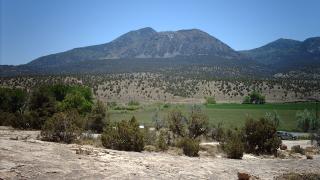
Visitors to San Luis are encouraged to engage with the local culture and natural environment. The town offers a unique blend of historical exploration and natural beauty. Hiking is a popular activity, with trails leading through the rugged landscape of the San Luis Valley. The area is known for its stunning views of the Sangre de Cristo range, offering opportunities for photography and reflection.
The region is also known for its stargazing opportunities. The high altitude and clear skies provide excellent conditions for stargazing, making it a popular destination for astronomy enthusiasts. Visitors can explore the night sky, taking in the vastness of the universe from the comfort of the high desert. Additionally, the area offers opportunities for fishing and hunting, with local guides available to assist visitors in exploring the natural beauty of the region.
Getting There: Navigating the High Country
San Luis is located in the San Luis Valley, a high-altitude basin in southern Colorado. The town is accessible via major highways, including State Highway 17, which connects it to Alamosa to the north and the New Mexico border to the south. The drive from Alamosa, approximately 20 miles to the north, is scenic and takes approximately 30 minutes, offering views of the surrounding mountains and high desert landscape.
Public transportation options are limited, so renting a car is the most practical way to explore the area. The town is well-connected by road, but public transportation is limited, so visitors are advised to plan their transportation in advance. The high altitude, at approximately 7,989 feet, requires acclimatization, so visitors are advised to take it easy for the first day or two.
Best Time to Visit: Seasonal Considerations
The best time to visit San Luis depends on individual preferences, but the summer months, from June to August, offer the most favorable weather conditions. The weather is generally warm and sunny, with daytime temperatures ranging from 70 to 80 degrees Fahrenheit. This is the ideal time for outdoor activities, such as hiking, biking, and stargazing.
However, the summer months also bring the risk of afternoon thunderstorms, which are common in the high country. Visitors are advised to plan outdoor activities for the morning hours, when the weather is typically calmer. The summer months are also the peak tourist season, so visitors are advised to book accommodations in advance. The summer months are also the best time to experience the local culture, with many festivals and events taking place during this time.
Best time to visit
Mid-May to September offers the best weather, with warm, sunny days and low humidity.
What to see in San Luis
Our picks first.
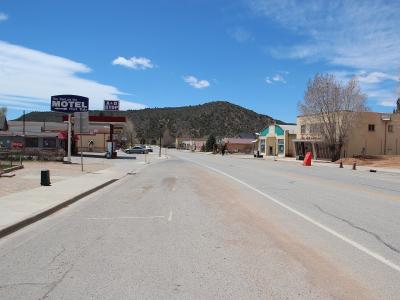
San Luis Historic District
Cultural Heritage · Historic Districts
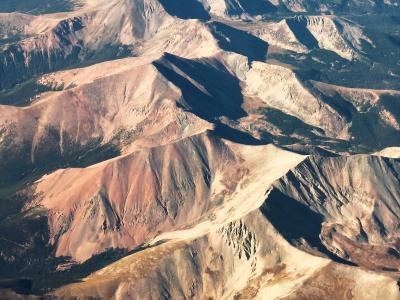
Culebra Range
Free Natural Landscapes · Recreation & Outdoors
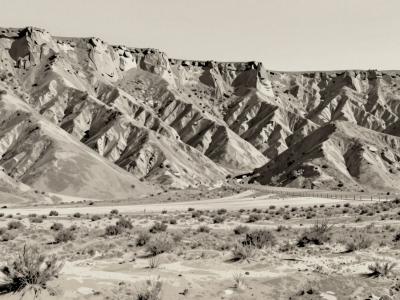
Culebra Canyon
Natural Landscapes · Recreation & Outdoors
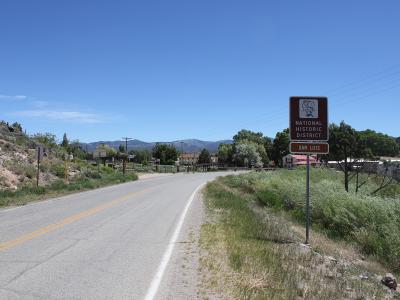
San Luis Plaza
Cultural Heritage · Urban & Public Spaces
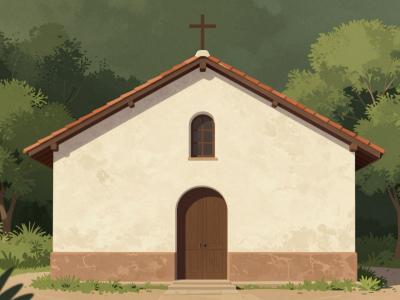
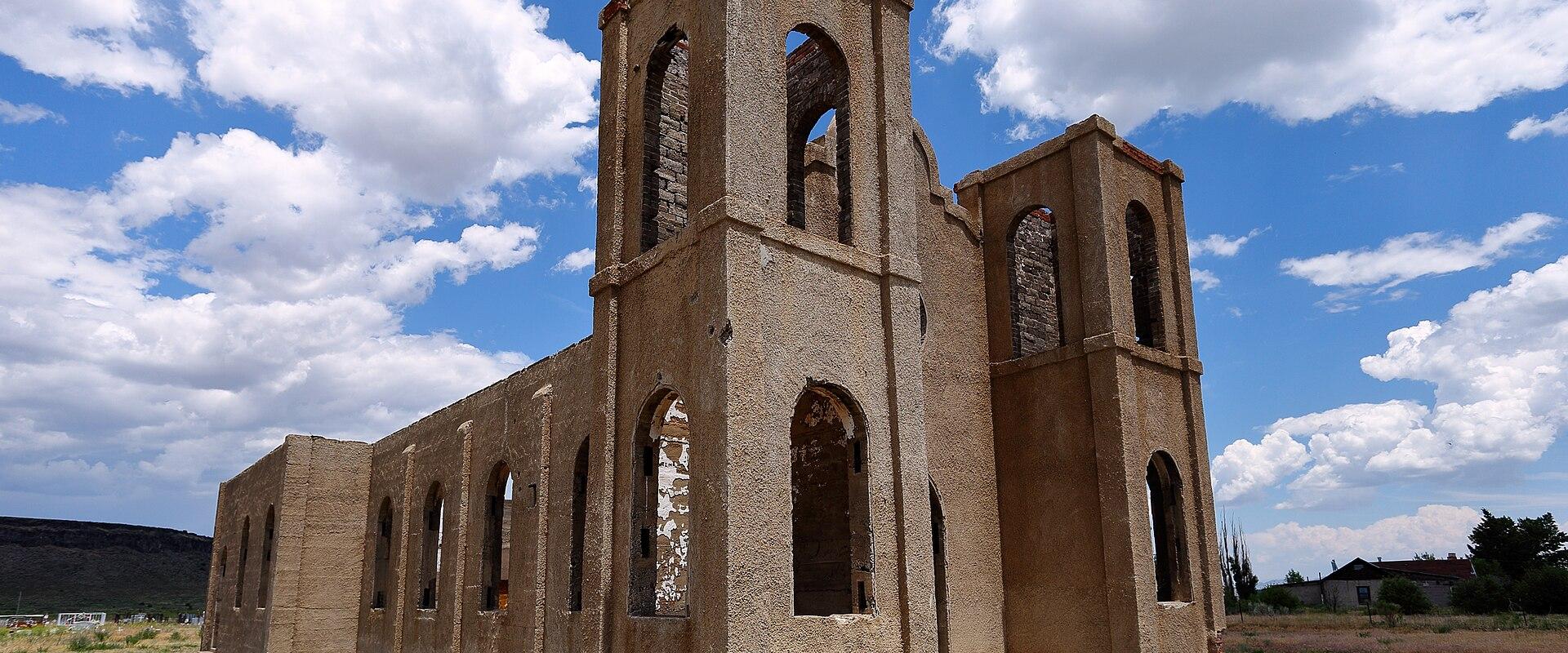
San Luis Chapel (Iglesia de San Luis Rey)
Cultural Heritage · Religious Sites
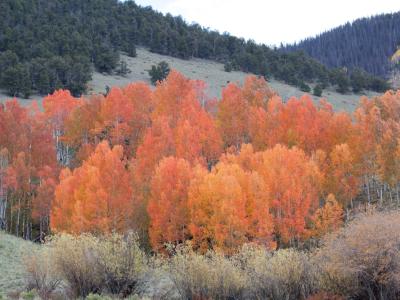
Rio Grande National Forest
Natural Landscapes · Recreation & Outdoors
San Luis by interest
The same sights, grouped by what you came for.
Planning a visit to San Luis
Itineraries that include San Luis
- 1 day Best of San Luis One-day exploration of San Luis, Colorado
- 1 day One Day in San Luis San Luis Valley: Great Sand Dunes and local culture
- 2 days San Luis Cultural Heritage Explore San Luis' historic adobe heritage and culture
- 2 days San Luis Weekend Getaway High-altitude desert landscapes and hot springs
Good to know
- Currency
- USD
- Language
- English
Quick Facts
Book your stay
Questions people ask
More places in San Luis Valley
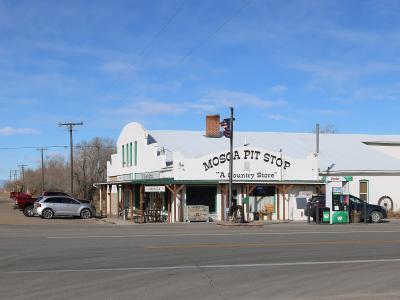
San Luis Valley
Mosca
Valley community beside Great Sand Dunes National Park
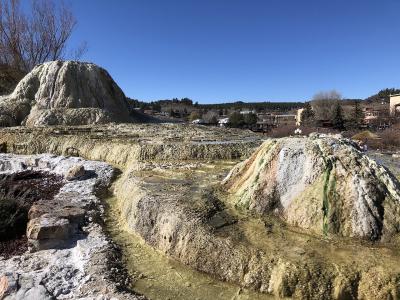
San Luis Valley
Pagosa Springs
Hot springs town in the San Juan Mountains
San Luis Valley
Alamosa
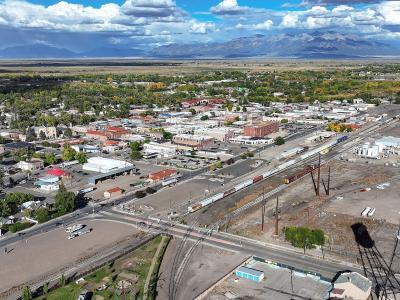
Gateway to high desert in the San Luis Valley
San Luis Valley
Saguache
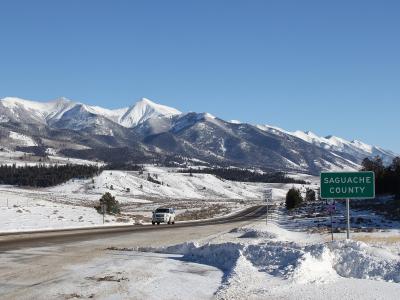
Quiet county seat on the northern edge of the San Luis Valley