
Strategic Route Planning
Colorado’s vast terrain requires focused planning. Limit travel to a single region to minimize driving time. Choose between the accessible Front Range and the rugged Western Slope. Base your itinerary around a central hub to optimize daily travel. This approach reduces fatigue and maximizes exploration time. Denver serves as a common starting point for many routes. However, you may adjust the itinerary order if driving into the state. Prioritize outdoor activities over urban exploration for a more authentic experience. This structure supports a balanced pace for a seven-day trip. It ensures you can access major natural features without excessive transit. Focus on one area to fully experience the local landscape. This strategy prevents burnout and allows for deeper engagement with the environment. Plan your route carefully to ensure a smooth and enjoyable experience throughout your stay in the state.
Alpine Access and Altitude
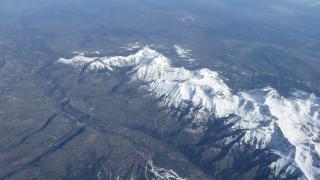
Acclimatize to high altitude by starting at lower elevations. Denver sits at one mile high. Ascend gradually to prevent acute mountain sickness. Stay hydrated with ample water intake. Monitor for headache, nausea, or dizziness. These are early signs of altitude sickness. Rest immediately if symptoms worsen. Prepare for rapid weather changes. Temperatures drop significantly at high elevations. Afternoon thunderstorms are common in summer. Carry layers for cold conditions. Sun exposure is intense above 8,000 feet. Use sunscreen and protective gear. Plan hikes for morning hours. This avoids afternoon storm risks. Respect the mountain environment. Turn back if conditions deteriorate. Safety depends on preparation and awareness. Always check local forecasts before hiking. Carry extra water and warm clothing. These steps ensure a safe one-week itinerary in Colorado's alpine regions.
National Park Logistics
Rocky Mountain National Park requires timed entry permits. Reserve these online via the official NPS website in advance. This step is mandatory for entry. Arrive early to secure parking. The lot fills by mid-morning. Arriving early avoids crowds and stress. Check for trail closures before starting. Weather changes rapidly in the mountains. Check for road closures due to weather or wildlife. Trail conditions change with snow and rain. Prepare for temperature variations with appropriate clothing. Layering is essential for comfort. Bring warm layers even in summer. Sun exposure is intense at high altitudes. Wear sunscreen and protective gear. Hydration is critical at high elevations. Drink water frequently to prevent altitude sickness. Plan breaks for acclimatization. Rest often to maintain energy. Check park alerts daily for updates. Closures can happen without warning. Stay informed about current trail conditions. Be prepared for sudden weather changes. Carry extra water and snacks. Always check the latest park alerts. Plan for extra time in transit. Traffic can cause significant delays. Plan extra time for travel. Be flexible with your schedule. Adapt to changing conditions. Stay safe and enjoy the view.
Scenic Byways and Drives
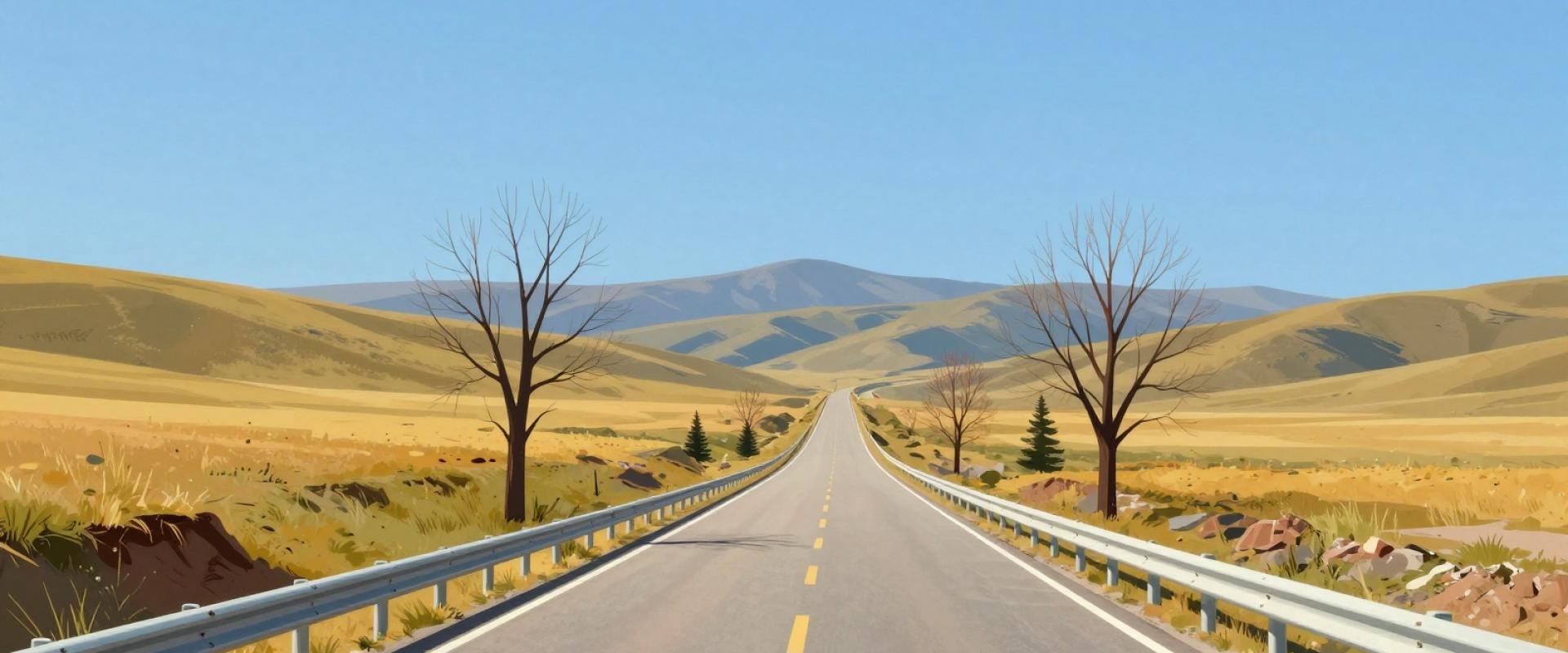
Trail Ridge Road is the highest continuous paved road in the US. It offers high-altitude views across the Rockies. The Million Dollar Highway provides dramatic mountain scenery. This route connects Silverton to Durango. The San Juan Skyway extends this scenic loop. These drives highlight Colorado’s rugged terrain. High-elevation roads often close in winter. Snow can block access for months. Check current road conditions before travel. Use local resources for real-time updates. Allow extra time for sightseeing stops. Road delays are common in mountain regions. Plan for slower travel speeds. High altitude affects vehicle performance. Ensure your vehicle is road-ready. Check tire pressure and brake condition. Fuel up before entering remote areas. Gas stations are sparse in high country. Carry extra water and warm clothing. Weather changes rapidly in the mountains. Be prepared for sudden storms. Plan flexible schedules for daily drives. Rest frequently to avoid fatigue. Enjoy the panoramic views along the way. Take time to appreciate the landscape. Stop at designated pullouts for photos. Respect wildlife and stay on trails. These drives offer a unique Colorado experience. Plan carefully for a safe trip.
Practical Tips and Safety
Hydrate frequently to counter high-altitude effects. Avoid alcohol on the first day to aid acclimatization. Dress in layers to manage sudden weather changes. Carry rain gear for afternoon thunderstorms common in the Rockies. Be aware of local wildlife, including bears and moose. Follow specific safety guidelines for safe encounters. Check daily weather forecasts before starting any activity. Monitor road conditions for potential closures or ice. Inform a trusted contact of your daily itinerary. Know the location of the nearest emergency services. This preparation ensures a safe one-week journey. Always carry extra water and warm layers. Check local regulations for specific trail access rules. Stay alert to changing mountain weather patterns. Prioritize safety over speed during all activities.