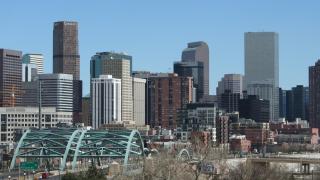
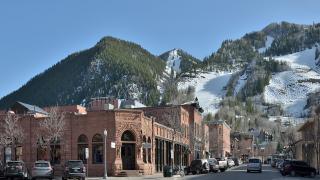
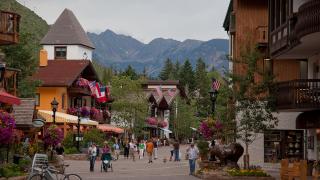
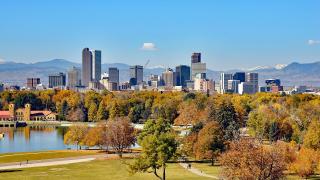
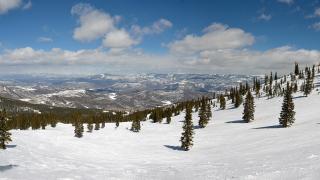
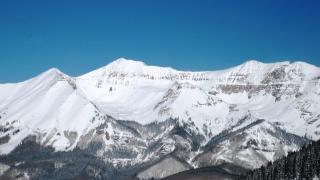
Altitude is the one Colorado travel issue most visitors don't plan for, and it's real. Denver sits at 5,280 feet. Most ski and mountain towns are between 8,000 and 10,000 feet, and the roads and trails go well above that. The CDC estimates that about a quarter of visitors who sleep above 8,000 feet in Colorado get some acute mountain sickness. Usually that means a headache and a bad night, not an emergency. You can cut the odds a lot by going up gradually, taking the first two days easy, skipping alcohol at first, and knowing which symptoms mean you need to go down.
How high you'll actually be
A few reference points (approximate elevations):
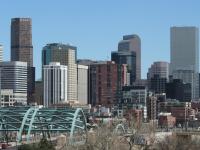
- Denver: 5,280 feet. The "One Mile Above Sea Level" step is carved into the west steps of the State Capitol.
- Estes Park (Rocky Mountain National Park gateway): around 7,500–7,700 feet.
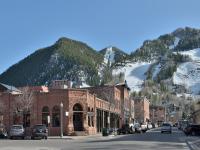
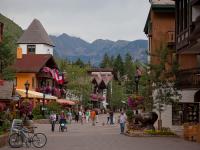
- Aspen: about 8,000 feet. Vail: about 8,200 feet. Telluride: about 8,750 feet.
- Breckenridge: about 9,700 feet. Leadville: about 10,150 feet.
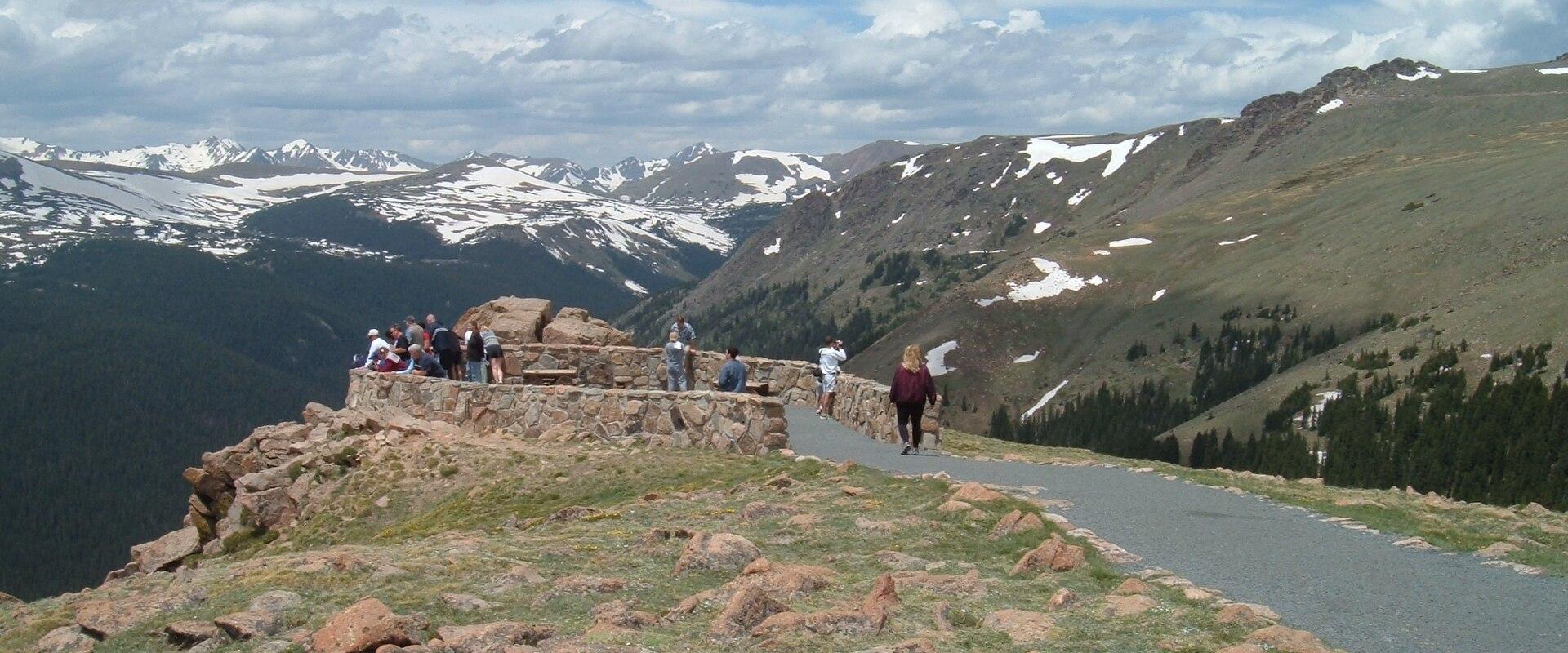
- Passes and roads: Independence Pass is 12,095 feet, the top of Trail Ridge Road 12,183 feet, and the Mount Blue Sky road ends above 14,000 feet.
- Ski summits: Arapahoe Basin's summit is 13,050 feet.
The number that matters most is where you sleep. Day trips higher are fine once you've adjusted. Sleeping high on your first night, straight off a flight from sea level, is what tips most people into feeling ill.
Acute mountain sickness: what it feels like
Altitude sickness feels like a hangover, a bad cold or plain travel exhaustion, which is why people often brush it off. According to the CDC, headache is the main symptom, usually with one or more of these:
- nausea or loss of appetite, sometimes vomiting
- dizziness
- fatigue
- poor sleep
Symptoms usually start 2 to 12 hours after arrival and typically ease within 12 to 48 hours if you don't go any higher. Fitness doesn't protect you. Athletes get it too, and pushing hard on day one makes it more likely.
How to acclimatize on a Colorado trip
The CDC's main advice is about pacing your ascent:
- Don't go straight to sleeping above about 9,000 feet on the day you arrive. Spending your first night in Denver or the Front Range (Boulder, Golden, Colorado Springs) costs nothing and helps.
- If you can, spend two or three nights around 8,000 to 9,000 feet before sleeping higher. That's ideal before a high-country hut trip or a fourteener.
- Above about 9,800 feet, raise your sleeping altitude by no more than about 1,650 feet per night.
- Take the first day or two gently. Do easy runs instead of the whole mountain, and short walks instead of a big hike.
On a typical ski week, that could mean landing in Denver, staying overnight, and driving up the next morning. If you're heading to Aspen or the Western Slope, Glenwood Springs, at under 6,000 feet, is another easy first stop.
Alcohol, water, sun and sleep
Alcohol. The CDC advises avoiding alcohol for the first 48 hours at high altitude. It makes symptoms worse, disrupts already poor sleep at altitude, and makes it hard to tell a hangover from altitude sickness. Don't use alcohol or opioid painkillers to help you sleep up high.
Water. The mountain air is very dry, and you breathe harder at altitude, so you lose more water than usual. Carry a bottle and drink regularly. Pale urine is a good sign. Staying hydrated helps you feel better, but it doesn't prevent altitude sickness on its own, and drinking huge amounts won't make you acclimatize faster.
Sun. UV is much stronger at altitude, and snow reflects it back up at you. Wear sunscreen even on cloudy ski days, along with lip balm with SPF and good sunglasses or goggles. Sunburn at 10,000 feet happens fast.
Sleep. Restless sleep and waking up short of breath are common for the first nights up high. They usually settle down. Sleep that's getting worse, along with other symptoms, is a reason to take the next day very easy.
Medication
Acetazolamide (brand name Diamox) is a prescription medicine that speeds up acclimatization. The CDC's standard preventive dose is 125 mg every 12 hours, starting the day before you go up. It's worth asking your doctor about if you've had altitude sickness before, or if you have to go straight from sea level to sleeping above 9,000 feet. Common side effects include tingling in the fingers and toes and a flat taste in fizzy drinks. Ibuprofen or acetaminophen can ease an altitude headache. If symptoms keep getting worse, though, painkillers won't fix the problem.
Talk to a doctor before the trip if you have heart or lung disease, sleep apnea, sickle cell disease or a similar condition, or if you're pregnant. The CDC advises pregnant travelers to avoid sleeping above about 10,000 feet.
When it's serious: signs you need to go down
Most altitude sickness is mild. Two rarer conditions are emergencies. In Colorado, fluid on the lungs (HAPE) affects roughly 1 in 10,000 skiers.
Fluid on the lungs (HAPE). Watch for unusual breathlessness on exertion, a cough, a tight or congested chest, and much lower stamina than the day before. If it progresses, you'll be breathless even at rest and may cough up pink or bloody sputum.
Swelling of the brain (HACE). Watch for confusion, unusual drowsiness, and stumbling or being unable to walk in a straight line (ataxia). According to the CDC, coma can follow within 24 hours of onset.
What to do:
- Mild symptoms: rest, don't go higher, drink fluids and skip alcohol. If they don't improve, descend.
- Symptoms getting worse despite rest: descend. Going down 1,000 feet or more usually helps quickly. From most ski towns, that means driving toward Denver or another lower town.
- Any sign of HAPE or HACE: treat it as an emergency. Call 911 and get the person lower right away. Never let someone with these symptoms stay behind alone or "sleep it off."
Kids, older travelers and day trips
Children can get altitude sickness too and may not describe it clearly. Watch for unusual fussiness, poor appetite, vomiting or sleepiness, and go down if they don't improve. Older travelers in good health generally do fine with the same gradual approach.
For a day trip from Denver, such as Trail Ridge Road or Mount Blue Sky, you're unlikely to develop full altitude sickness because you sleep low. Still, expect to be short of breath at the top. Walk slowly, keep the hike short, and turn around if you feel dizzy or get a pounding headache.