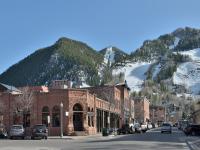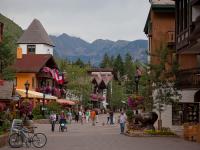
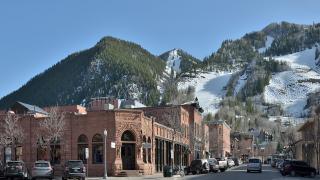
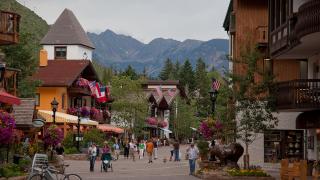
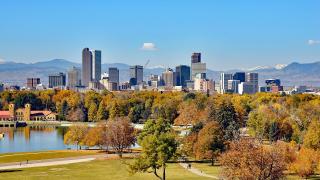
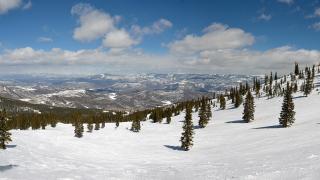
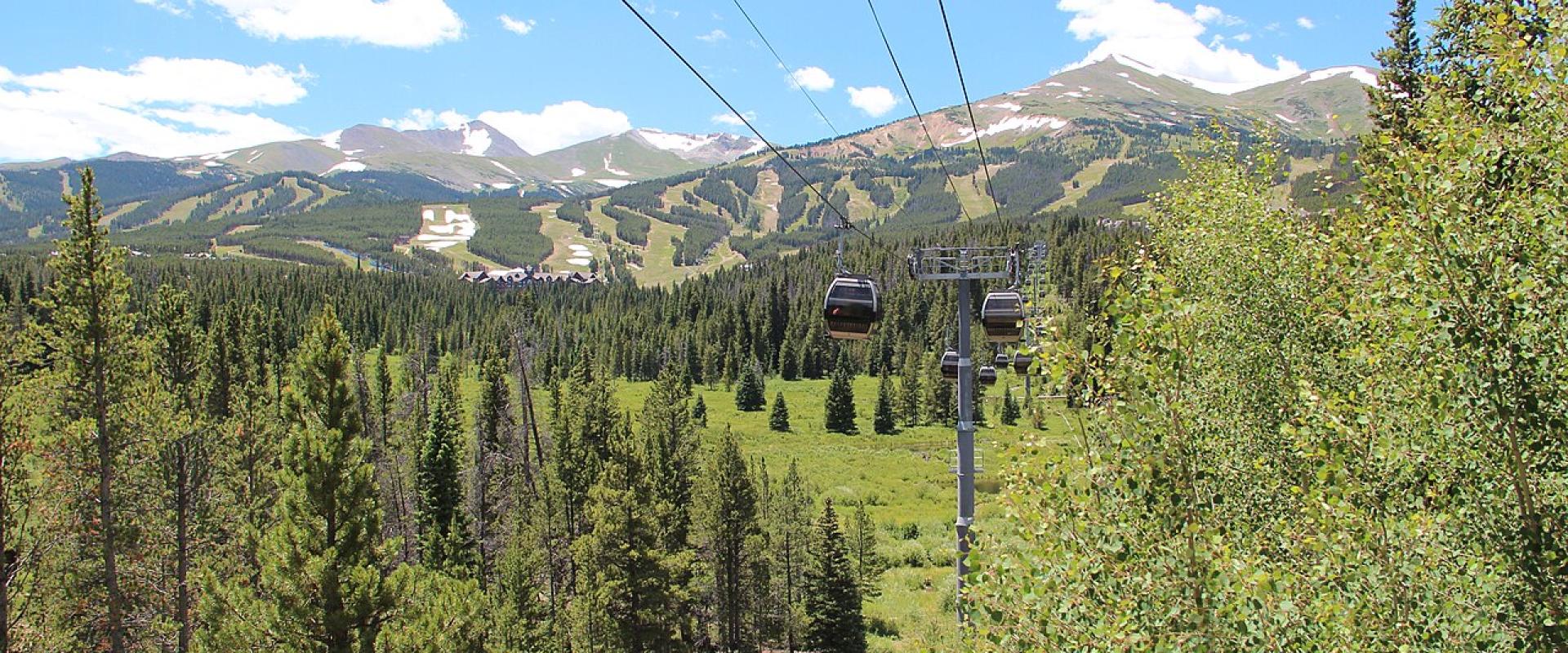
Most seasonal work in Colorado falls into two seasons: winter, at the ski resorts, and summer, at river outfitters, guest ranches, national parks and mountain-town restaurants and hotels. The key is to apply early. Ranches and national parks do most of their summer hiring in winter, and ski resorts hire for the winter through late summer and autumn. Housing is the hard part, so treat any job that comes with a bed as worth more than its hourly rate suggests.
Winter: ski resort jobs
Colorado's ski areas are the state's biggest seasonal employers. Typical roles include lift operations, ski and snowboard instruction, rental shops, ski patrol, food and beverage, guest services, housekeeping, retail, shuttle and bus driving, and kitchen jobs.
Who hires: The big operators run several resorts each. Vail Resorts, for example, lists Vail, Beaver Creek, Breckenridge, Keystone and Crested Butte among its Colorado resorts, and Aspen Snowmass, Winter Park, Copper Mountain, Steamboat, Telluride and the smaller local hills all hire their own seasonal staff.
Timeline: In October 2026 Vail Resorts' careers site was advertising "Now hiring for winter 2026/27", covering cooks, drivers and instructors. In practice, the best-housed and best-paid roles go first, so start looking in late summer if you can. Resorts keep hiring into the season as people leave, which suits latecomers who can find their own place to live.
Perks: The ski pass is the classic seasonal perk. Vail Resorts lists a free Epic Pass, free ski or snowboard lessons and a 40% retail discount for employees, and advertised a $20 an hour starting wage in 2026. Other resorts offer their own passes and discounts. Check each employer's current package, because perks differ by role and between full-time and part-time staff.
Instructors and patrol: Ski schools hire beginners for their first season, especially for children's programmes, and train them. Patrol jobs usually ask for prior emergency-care training, so check each resort's requirements well before the season.
Summer: rivers, ranches, parks and trails
- Rafting and river guiding. The Arkansas River, through Browns Canyon and the Royal Gorge, is Colorado's best-known commercial whitewater river. The Colorado, Clear Creek, Animas and others also have commercial outfitters. Many outfitters train new guides in their own guide schools in spring, before the water rises. Ask about training costs, how many trips new guides actually get, and whether housing or a campsite is included.
- Guest and dude ranches. The Colorado Dude & Guest Ranch Association says most ranches do the bulk of their summer hiring between December and March. Jobs include wranglers and horse care, cooking and kitchen, wait staff, housekeeping, maintenance, kids' and teens' counsellors, and office work. Ranch jobs often mean living on site in remote country, which solves the housing problem.
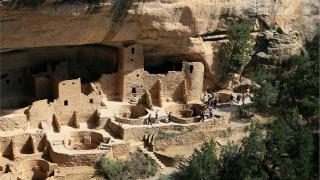
- National parks and public lands. Seasonal National Park Service jobs at Colorado's parks are advertised on USAJOBS. Mesa Verde says its summer seasonal positions are generally advertised from November through early spring, and NPS jobs require U.S. citizenship. Lodging, restaurants and shops inside national parks are run by private concessioners, which hire separately and set their own eligibility rules.
- Mountain-town hospitality. Hotels, restaurants, bike shops and outfitters in towns like Estes Park, Breckenridge, Steamboat Springs, Durango and Ouray staff up for summer.
- Hiking, climbing and adventure guiding. Hut systems, climbing schools, hunting outfitters and backcountry guide services also hire. They expect certifications such as wilderness first aid before you start.
Housing: the real constraint
Housing in resort towns is expensive and scarce, and it's the most common reason seasonal plans fall apart.
- Employer housing. Vail Resorts says employee housing is available at its Colorado resorts but warns that most of it is shared (expect roommates), that it's prioritised for people working the season, and that availability may be limited because of demand. Other big employers say much the same. Apply for housing at the same time you accept the job.
- Commuting. Many workers live in less expensive towns down-valley and ride regional buses up to the resort. Check bus schedules before you sign a lease.
- Scams. Be wary of rental listings that ask for a deposit before you've seen the place or met the landlord. This is a known risk in tight housing markets.
- Vehicles. A car isn't strictly necessary in towns with good free buses, but winter driving needs proper tyres and experience.
Pay and your rights
Colorado's statewide minimum wage for 2026 is $15.16 an hour, and $12.14 for tipped employees, according to the Colorado Department of Labor and Employment. Some local governments set higher minimums, so check where you'll actually work. Ask employers about payroll deductions for housing, meals or passes, and get them in writing.
International students: J-1 Summer Work Travel
Many resort and summer jobs in Colorado are filled by international students on the U.S. State Department's J-1 Summer Work Travel programme. In general terms:
- You must be enrolled full-time at a post-secondary institution outside the U.S., have completed at least one semester, and speak English well enough to work.
- The programme lasts up to four months, and you must go home before your next academic term starts. That means many students' "summer" falls during their home-country holidays, which can be the U.S. winter for students from the Southern Hemisphere.
- You apply through a State Department–designated sponsor, not directly to the government. Sponsors must vet the jobs and stay in touch with participants.
- Jobs must be seasonal or temporary and involve regular contact with Americans. Some roles are prohibited, including domestic work in private homes, commission-only sales and jobs mostly worked between 10 p.m. and 6 a.m.
Other work visas exist, but they're employer-driven and job-specific. If you aren't a student, talk to an immigration adviser or a prospective employer about whether they sponsor workers.
A realistic seasonal calendar
| When | What to do |
|---|---|
| August–October | Apply for ski resort jobs and employee housing for the coming winter |
| November–March | Apply for national park, ranch and summer resort jobs |
| Spring | River guide schools and summer staff training |
| Late May–September | Summer season in the mountains |
| Late November–April | Ski season, with dates varying by resort |
Tips that make the season work
- Apply to several employers at once and ask each about housing before you accept.
- Bring warm, waterproof gear for outdoor winter jobs. Uniforms usually cover only the outer layer.
- Give yourself a few days to adjust to the altitude before physical work. Many resort bases sit well above 8,000 feet.
- Save early in the season. Hours can drop at the very start and end, and in poor snow years.