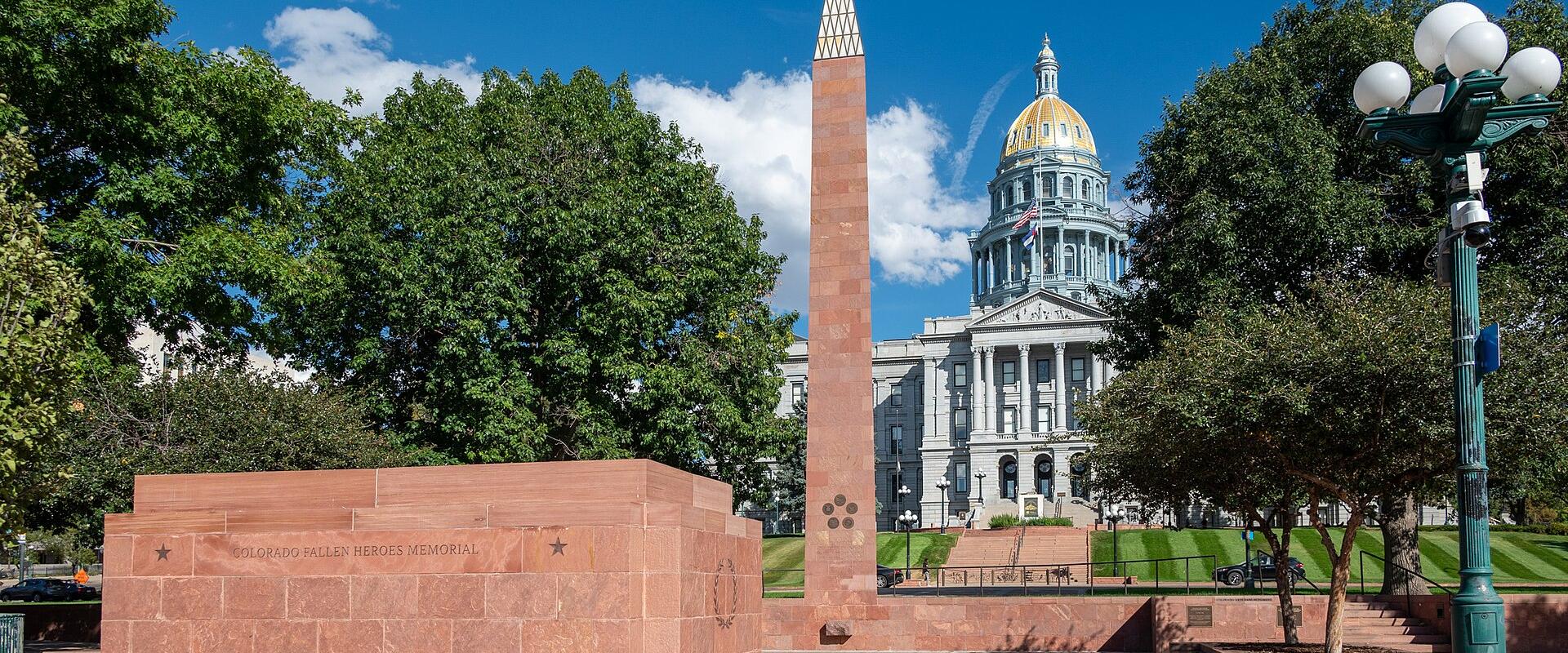
Native Foundations and Early Encounters
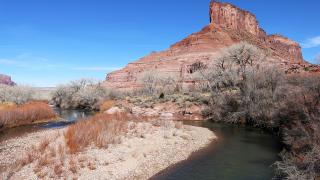
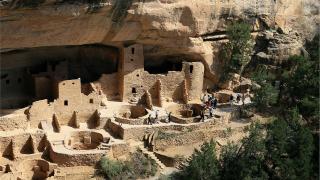
Indigenous tribes, including the Ute, Apache, and Arapaho, inhabited the region for centuries. Spanish explorers arrived in the late 18th century, initiating contact. This era marked a significant shift in local dynamics. The introduction of horses transformed tribal mobility and hunting. Trade networks expanded, connecting distant communities through exchange. However, this contact also introduced disruptive diseases. These illnesses significantly impacted indigenous populations and social structures. The cultural landscape shifted as traditional ways adapted to new realities. European influence gradually altered political and social frameworks. These changes laid the groundwork for future territorial developments. The complex interactions defined the early historical landscape of the region. Understanding this foundation is essential for understanding later historical developments.
The Gold Rush and Mining Boom
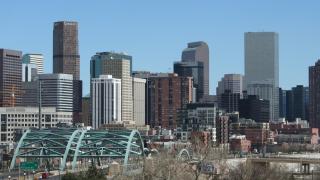
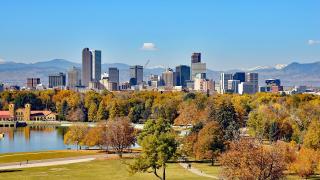
The 1858 Pikes Peak Gold Rush transformed the region. Prospectors flooded the area, seeking fortune in the Rocky Mountains. This influx created rapid population growth in the territory. New towns emerged quickly to support the mining boom. Infrastructure developed rapidly to serve the growing workforce. Miners established camps that evolved into permanent settlements. The economy shifted from subsistence to commercial extraction. Silver and gold mines drove the local economy. Towns like Denver grew from these early camps. The boom defined the era's economic landscape. It attracted diverse groups seeking opportunity. The infrastructure laid the foundation for future growth. These early developments shaped the state's identity. The legacy of the boom remains visible today. It represents a pivotal time in state history. The rapid changes defined the region's character. This era marked a significant transition in Colorado's development.
Railroad Expansion and Economic Growth
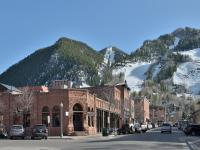
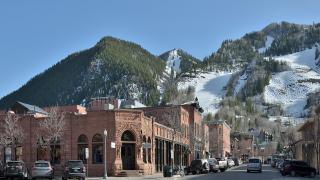
The arrival of the Denver and Rio Grande Railway in 1880 transformed the region. This infrastructure connected remote mining camps to national markets. Towns like Leadville and Aspen grew rapidly as a result. Miners and merchants established businesses along the new tracks. The railroad reduced transportation costs for silver and gold. This efficiency stimulated local economies across the state. Isolated settlements became connected commercial hubs. The Union Pacific also extended lines into the state. These rail links facilitated the export of local resources. Agricultural products from the eastern plains reached eastern markets. The economic boom supported the development of infrastructure. Towns along the rail lines thrived on trade. The railroad era solidified Colorado's economic foundation. It transformed isolated camps into connected communities. This connectivity remains a defining feature of the state's heritage. The legacy of this expansion is visible in historic downtowns. Many buildings from this era still stand today. They serve as reminders of the state's industrial past. The economic growth driven by railroads shaped modern Colorado. This historical development continues to influence the state's culture. The infrastructure built during this era remains in use. It supports the state's ongoing economic activity. The railroad era remains a pivotal chapter in Colorado's history.
Cultural Evolution and Modern Identity
Colorado’s cultural identity is a vibrant tapestry woven from the diverse threads of its diverse immigrant communities. While rooted in the rugged traditions of the Old West, the state has evolved into a mosaic of global influences. Early settlers, including Hispanic, Chinese, and European immigrants, laid the foundational stones of community life, blending their unique traditions with the frontier spirit. Today, this rich heritage is preserved and celebrated through vibrant cultural institutions that honor the past while embracing the future. These institutions serve as vital hubs for education, art, and community engagement, ensuring that the diverse narratives of Colorado’s residents are not only preserved but actively celebrated. From traditional festivals to contemporary art exhibitions, these cultural anchors foster a deep sense of belonging and mutual understanding, reflecting the dynamic and inclusive nature of modern Colorado society.