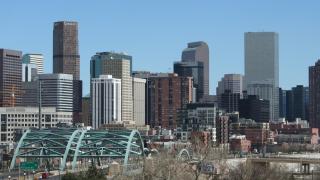
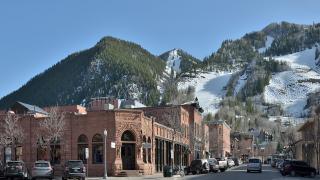
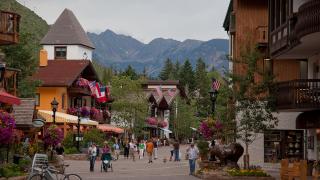
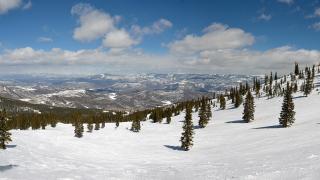
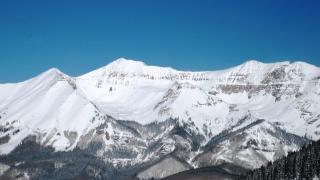
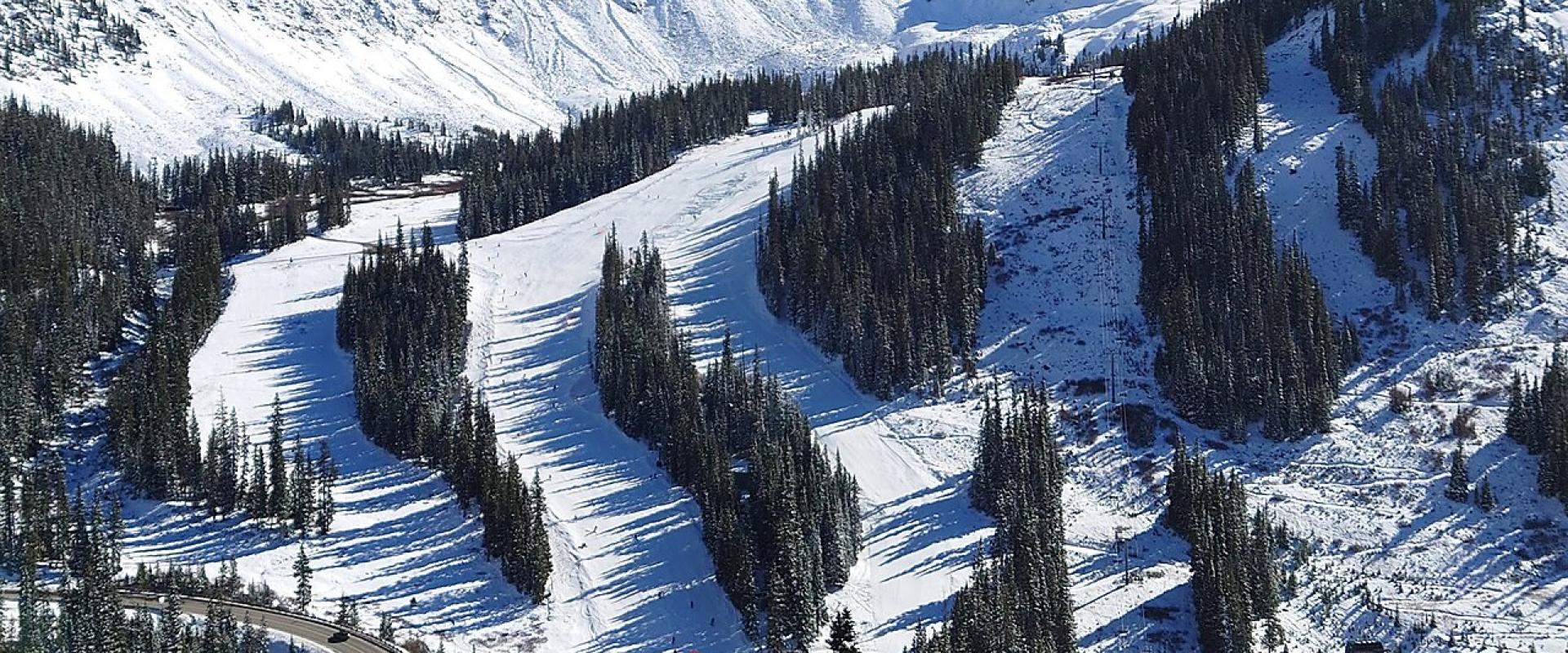
Colorado's big ski resorts split into two camps. Vail Resorts runs the Epic Pass mountains (Vail, Beaver Creek, Breckenridge, Keystone, Crested Butte, plus Telluride access). Alterra's Ikon Pass covers Winter Park, Copper Mountain, Steamboat, Arapahoe Basin, Eldora and Aspen Snowmass. Pick your pass first and the resort choice mostly follows. The season usually runs from early or mid-November into April, and the high-elevation early openers start turning lifts in late October when it's cold enough to make snow.
Epic vs Ikon: the pass question
For anyone skiing more than about four or five days, a multi-resort pass bought in advance almost always beats walk-up lift tickets. Window prices at the big Colorado resorts are some of the highest in the country.
Epic Pass (Vail Resorts). Its Colorado mountains are Vail, Beaver Creek, Breckenridge, Keystone, Crested Butte and Telluride. Cheaper Epic products, such as Epic Local and Epic Day Pass, cover the same resorts with day limits or holiday restrictions.
Ikon Pass (Alterra). Unlimited access at Winter Park, Copper Mountain, Steamboat, Arapahoe Basin and Eldora, plus seven days at Aspen Snowmass, which covers Aspen Mountain, Aspen Highlands, Buttermilk and Snowmass.
Independents. Loveland, Monarch, Cooper, Sunlight, Powderhorn, Purgatory and Silverton Mountain sell their own tickets and are usually cheaper and quieter.
Both passes go on sale in spring, and the price goes up in stages through the fall. Exact 2026/27 prices, deadlines and blackout dates are on epicpass.com and ikonpass.com. Check there before you buy, because they change every season. If you're only skiing two or three days, compare multi-day tickets bought online well ahead with the pass's day-ticket products. Booking online early is almost always cheaper than paying at the window.
The main resort areas
Summit County is the closest big cluster to Denver, about 1.5 to 2 hours in good conditions. It includes Breckenridge (Epic), Keystone (Epic), Copper Mountain (Ikon) and Arapahoe Basin (Ikon). It's the easiest base for a multi-mountain trip. Frisco, Dillon and Silverthorne usually have cheaper lodging than slopeside Breckenridge or Keystone.
Vail and Beaver Creek sit farther west on I-70. Vail has a huge area with its Back Bowls, and Beaver Creek is the more polished, family-oriented sister resort. Eagle County Regional Airport (EGE) near Vail is closer than Denver, but flights cost more.
Aspen Snowmass is four mountains at the end of Highway 82: Aspen Mountain, Aspen Highlands, Buttermilk and Snowmass. In winter, Independence Pass is closed, so from Denver you drive through Glenwood Springs or fly into Aspen (ASE). It's a destination for a week, not a day trip.
Steamboat is in the northwest, known for its tree skiing and the dry snow it markets as "Champagne Powder." Fly into Yampa Valley Regional Airport (HDN) at Hayden or drive about 3 to 3.5 hours from Denver.
Winter Park is reached over Berthoud Pass on US 40 rather than through the tunnel. It also has Amtrak's seasonal Winter Park Express ski train from Denver Union Station. Check Amtrak for the 2026/27 schedule.
Telluride and Crested Butte are remote, steep and much less crowded. Telluride is a 6-hour-plus drive from Denver, so most visitors fly into Montrose (MTJ) or Telluride. Crested Butte is served by Gunnison (GUC). Both reward a trip of a week or more.
Loveland and Arapahoe Basin sit right on the Continental Divide off I-70, at the tunnel and on Loveland Pass. They're the high, no-frills mountains locals use for early- and late-season skiing.
When to go
Opening. Arapahoe Basin, Loveland and Keystone race to open first, usually in late October or early November, depending on how soon nights are cold enough to make snow. A-Basin's earliest-ever opening was October 9. Early-season skiing is a few man-made runs, not the full mountain. Arapahoe Basin's summit reaches 13,050 feet, which is why it can stay open so long. Its record latest closing was August 10.
Most resorts open between mid-November and early December, and the full terrain opens through December and January as the snowpack builds. Opening dates are announced as "as soon as possible" and depend on the weather. Winter Park, for example, hadn't set a firm 2026/27 date when this was written.
Peak season runs from Christmas to New Year's, plus the Martin Luther King Jr. and Presidents' Day weekends. Expect full lodging, top prices and I-70 gridlock.
Best value is usually January after the holidays, and early March to April. Spring brings sunshine, softer snow and pond-skim events. Most resorts close in early to mid-April. Winter Park's 2025/26 season ended April 19. A-Basin often runs into May or later.
Nordic skiing and snowshoeing
Cross-country skiing and snowshoeing cost a fraction of a lift ticket and are a good break from the downhill. Breckenridge and Frisco have Nordic centers with groomed trails and rentals. Devil's Thumb Ranch near Winter Park and the Aspen and Snowmass area are well known for Nordic. Snowshoeing works on most summer hiking trails. In winter, Rocky Mountain National Park's Bear Lake area becomes a popular snowshoe destination, and its timed-entry permits don't apply in winter.
On any backcountry trip, avalanche terrain is a real hazard. Check the Colorado Avalanche Information Center (avalanche.state.co.us) before heading out, and stay on marked, low-angle routes unless you're trained and carrying a beacon, shovel and probe.
Getting there from Denver
Most skiers fly into Denver International Airport (DEN) and drive west on I-70. Budget extra time for weekend traffic and storms, and make sure your rental car meets the state's Traction Law: AWD/4WD with M+S or winter tires and 3/16-inch tread, or chains or an approved device. Without a car, CDOT's Snowstang buses run seasonally from Denver to Arapahoe Basin, Breckenridge and Copper Mountain. Private shuttle companies serve most resorts from the airport, and resort towns run free local buses, so many people skip the car rental entirely.
One more thing to plan for is the altitude. Most Summit County and Vail-area base villages sit above 8,000 feet, and summits go far higher. Spend your first night lower if you can (Denver is at 5,280 feet), drink plenty of water, and keep day one easy. The High Altitude Travel guide covers this in more detail.