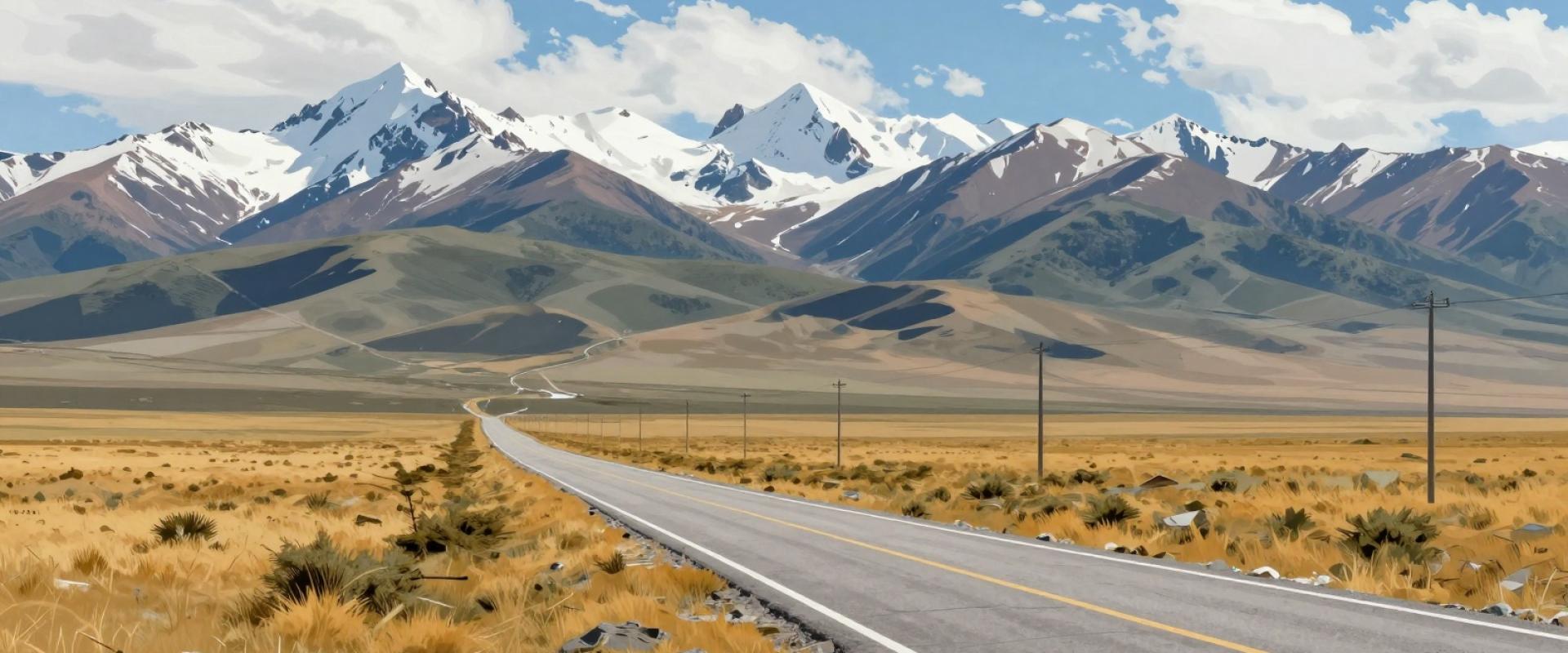
Time Zone and Altitude Logistics
Colorado operates on Mountain Time. This is one hour behind the East Coast. Denver sits at 5,280 feet, known as the Mile High City. Higher elevations in the Rockies demand acclimatization. Travelers should rest upon arrival to adjust. Dehydration risks increase with altitude. Drink water frequently throughout the day. Avoid strenuous activity on the first day. The thin air reduces oxygen availability. Plan leisurely activities for the first 24 hours. Sleep is critical for altitude adaptation. Rest in a cool, dark room if needed. Monitor for signs of altitude sickness. Headaches and nausea are common early symptoms. Hydration mitigates these effects. Drink at least two extra glasses of water daily. Avoid alcohol for the first 24 hours. It worsens dehydration and sleep quality. Acclimatization takes time. Do not rush physical exertion. Let your body adjust to the lower oxygen levels. This ensures a safe and comfortable short break. Listen to your body’s signals. Rest when necessary. Hydration is the primary logistical need. It supports physical readiness for high-altitude activities.
Front Range Urban Corridor
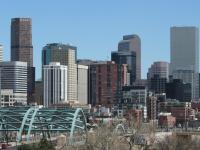
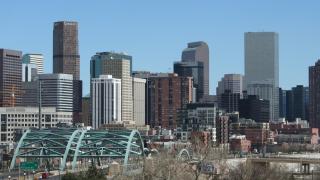
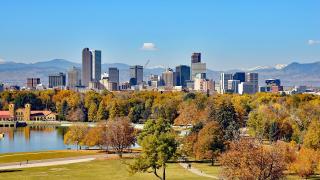
The Front Range corridor offers a practical hub for short breaks. Denver, Boulder, and Fort Collins form a connected urban triangle. This region provides a practical alternative to scattered rural travel. Travelers can utilize the regional transit system, RTD, for efficient movement. This rail network connects major urban centers effectively. It reduces the need for personal vehicles during the trip. Visitors can access cultural amenities without extensive travel time. Museums, galleries, and dining options are concentrated in these cities. The infrastructure supports quick, accessible exploration of urban culture. This setup is ideal for travelers seeking convenience. It minimizes transit time between attractions. The corridor offers a reliable base for short visits. Travelers can experience urban life without the logistical challenges of remote areas. The connectivity ensures a smooth and efficient travel experience throughout the stay.
Alpine Access and Transit Options
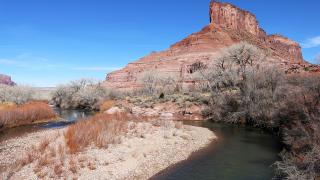
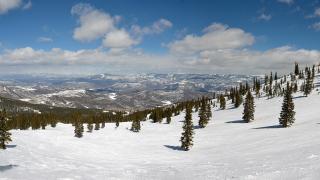
Public transit is limited in high-elevation zones. Most trailheads lack direct bus access. Travelers must rely on personal vehicles or private shuttles. This requirement ensures flexibility for remote alpine areas. Renting a car is often necessary for access. High-altitude roads require four-wheel drive in winter. Snow chains may be mandatory during storms. Weather changes rapidly in the Rockies. Afternoon thunderstorms are common in summer. Drivers must check road conditions before departure. Chain controls can close high passes suddenly. Prepare for cold temperatures at high elevations. Even in summer, snow is possible. Carry extra layers and warm clothing. Check local alerts for road closures. Plan extra time for steep, winding roads. Altitude affects vehicle performance and braking. Drive cautiously on steep grades. Ensure your vehicle is in good condition. Carry emergency supplies in your trunk. This preparation is essential for safe travel. High-elevation travel requires careful planning and respect for the environment. Always check current road conditions before starting your journey.
Seasonal Weather and Layering Strategy
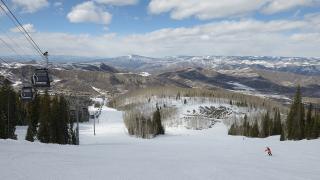
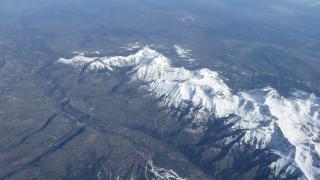
Colorado’s high altitude creates rapid weather changes. Temperatures drop significantly at higher elevations. Hikers must prepare for sudden shifts in conditions. The state offers 300 sunny days, yet storms arrive quickly. Layered clothing is essential for safety and comfort. Start with a moisture-wicking base layer. Add a warm mid-layer for insulation. Use a waterproof outer shell for protection. This strategy manages the cold and wind effectively. Elevation gain increases the need for extra warmth. Check specific elevation forecasts before starting any trail. Rocky Mountain National Park requires special attention to altitude. Always carry extra layers for unexpected cold snaps. This approach ensures safety during outdoor activities. Adjust your clothing based on the current conditions. Staying dry is critical for maintaining body heat. Always check the local forecast before heading out. This preparation is vital for a safe short break.
Hydration and Altitude Acclimatization
Colorado’s high elevation demands specific hydration strategies. The Mile High City sits at 5,280 feet. Higher Rocky Mountain elevations increase air thinness. This dry environment accelerates fluid loss. Travelers must increase water intake immediately upon arrival. Dehydration mimics early altitude sickness symptoms. Drink at least two to three extra liters daily. Avoid alcohol and caffeine during the first 48 hours. These substances dehydrate the body further. Prioritize electrolyte balance alongside pure water. Acclimatization requires time and consistent hydration. Rest in the first 24 hours. Do not overexert physical activity immediately. Listen to your body’s signals. Headaches often signal dehydration or low oxygen. Rehydrate frequently to prevent altitude sickness. Carry a reusable water bottle at all times. Refill stations are available in most front range towns. Adapt your pace to the thin air. Hydration is the primary defense against altitude sickness. Stay hydrated to ensure a safe and enjoyable short break in the high country.