Understanding the High-Altitude Rhythm
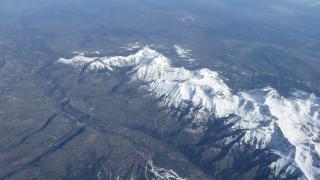
High-altitude constraints dictate travel windows in Colorado. Summer is the primary season for high-elevation access. Snow persists in mountains well into June. Winter brings heavy snow to high elevations. Travel is limited by weather patterns. Summer offers the most reliable access. Roads open as snow melts in spring. Weather patterns are more critical than calendar dates. Elevation changes affect temperature and accessibility. Plan visits around stable weather windows. High-altitude zones require specific seasonal timing. Summer provides the best conditions for travel. Winter travel requires specialized equipment and preparation. Always check current road and trail conditions. Elevation impacts air pressure and oxygen levels. Prepare for rapid weather changes at high altitudes. Summer is the safest time for high-elevation travel. Always verify local conditions before starting any trip.
The Summer Window: Alpine Access
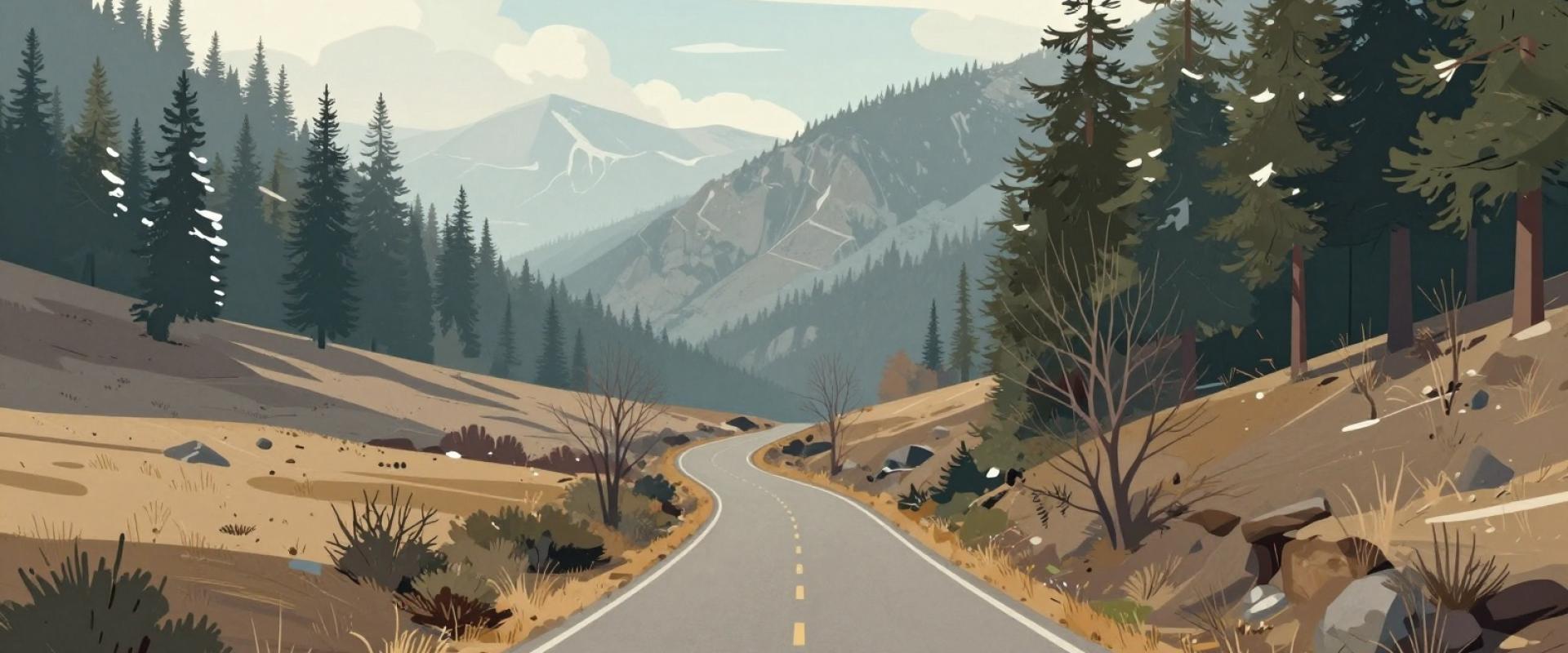
Peak season begins in June. High-elevation roads open fully. Trail access is now unrestricted. Hikers can reach alpine zones safely. Afternoon thunderstorms remain a daily risk. Hikers must start early to avoid lightning. Afternoon storms are common and dangerous. Plan routes before dawn. Check weather forecasts daily. High-altitude trails require specific gear. Sun exposure is intense at elevation. Hydration is critical for all hikers. Guidebooks detail specific trail conditions. Local experts recommend checking road closures. Some high passes close due to snow. Verify access before starting any hike. Summer is the primary window for exploration. Crowds are significant in popular areas. Book accommodations well in advance. Demand is high during peak season. Prepare for rapid weather changes. Afternoon storms can develop quickly. Always carry extra layers and water. Safety depends on preparation and timing. Respect the high-altitude environment. Stay on marked trails to protect fragile alpine ecosystems. Be aware of changing conditions.
Autumn Transition: Golden Aspen and Crowds
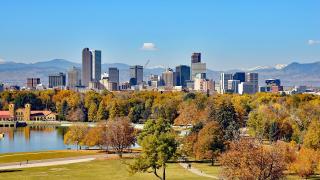
Golden aspens create a distinct visual experience in late September. Cool, crisp weather defines this seasonal transition. High-elevation roads remain open but require caution. Early snow is possible in high alpine zones. Travelers must prepare for sudden temperature drops. Flexible planning is essential for safe travel. Crowds peak during the first two weeks of October. Visitors should book accommodations well in advance. The visual appeal attracts significant tourist traffic. Photography opportunities are optimal during golden hours. Afternoon clouds may develop, requiring flexible scheduling. Local guides recommend checking daily weather forecasts. Road conditions can change rapidly with early snow. Drivers must carry chains for high passes. The visual spectacle is a primary draw. Crowds thin out after the first week of October. This period offers a quieter, yet still vibrant, experience. The transition from green to gold is brief. Planning ahead ensures a smooth and safe visit. The unique visual experience is a key highlight of the season.
Winter and Spring: Snow and Access Constraints
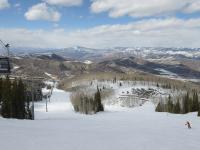
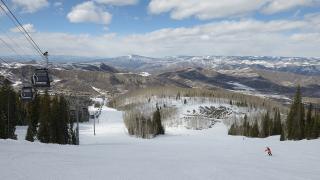
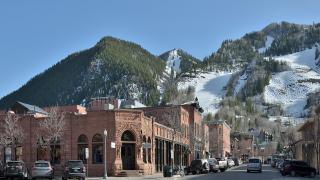
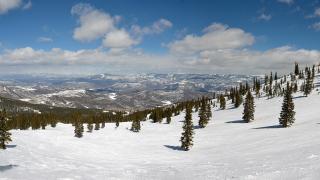
Heavy snowfall limits high-elevation access in Colorado. High mountain passes close to traffic. Roads may require four-wheel drive or chains. Travelers must check road conditions before departure. Winter driving requires specific preparation and caution. Short, clear sentences ensure safety on icy roads. Focus shifts to winter sports and indoor activities. Ski resorts open for winter sports enthusiasts. Indoor activities provide alternatives during storms. Regular weather checks are essential for safety. Sudden storms can block high-elevation roads. Plan routes around potential road closures. Check local alerts for chain requirements. Winter travel requires extra time and preparation. Always verify road status before starting travel. Safety remains the primary concern for all travelers in the mountains during winter months.
Practical Planning and Seasonal Adaptation
Book accommodations in advance, especially during summer. High demand requires early reservation. Ensure vehicle is equipped for winter conditions. Chains are often mandatory on high passes. Check weather forecasts regularly before departure. Mountain weather changes rapidly and unpredictably. Pack layers to handle sudden temperature drops. Afternoon thunderstorms are common in summer months. Respect the environment by staying on designated trails. High-altitude constraints require acclimatization time. Hydration is critical at high elevations. Prepare for cold even in summer. Plan extra time for travel delays. Respect local wildlife and their habitats. Follow all posted trail regulations strictly. Prepare for variable conditions in all seasons.