
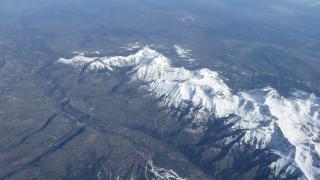

The High-Altitude Layering Strategy
Colorado’s altitude causes rapid temperature drops. You must pack versatile layers. Temperatures shift quickly in the Rockies. Avoid cotton fabrics entirely. Cotton retains moisture and causes hypothermia. Choose synthetic materials or wool instead. These fabrics wick sweat effectively. Layering allows precise temperature regulation. Pack a moisture-wicking base layer. Add an insulating mid-layer for warmth. Use a windproof outer shell. This strategy protects against sudden storms. Denver’s weather changes within hours. Mountain trails require adaptable clothing. Pack light but bring essentials. Use packing cubes for organization. This method saves space in your bag. You need gear for every season. Summer hikes demand sun protection. Winter trips require heavy insulation. Always check local forecasts before hiking. Specific locations like Aspen vary. Prepare for four seasons in one day. This approach ensures safety and comfort. Proper packing prevents altitude sickness symptoms. Stay dry and warm at all times. Your gear determines your experience. Prioritize function over fashion. Select items that serve multiple purposes. This reduces overall luggage weight. Efficient packing simplifies your travel logistics. Focus on quality materials. Cheap gear fails in high altitudes. Invest in durable, tested equipment. This decision impacts your trip success. Colorado demands respect for its climate. Proper preparation is non-negotiable. Pack accordingly for a safe adventure.
Sun Protection and Hydration Essentials
Colorado’s high altitude intensifies UV radiation significantly. Pack broad-spectrum sunscreen with SPF 30 or higher. Apply it generously before outdoor exposure. Reapply every two hours during activity. The thin air offers less UV filtration. Pack protective eyewear with UV-blocking lenses. Sunglasses prevent eye strain and damage. Choose wraparound styles for full coverage. Hydration is critical in dry conditions. Dehydration risks increase rapidly at elevation. Carry reusable water bottles for daily use. Aim for two to three liters daily. Electrolyte packets help maintain mineral balance. Pack them for long hiking trails. Dry air accelerates fluid loss through skin. Monitor urine color for hydration status. Clear urine indicates adequate water intake. Dark urine signals immediate rehydration needs. Pack lip balm with SPF protection. Chapped lips are common in dry climates. Apply frequently throughout the day. Avoid alcohol before strenuous activities. It increases dehydration risk significantly. Pack a hydration bladder for hikes. It allows hands-free drinking while moving. Store sunscreen in a cool place. Heat degrades its effectiveness quickly. Check expiration dates before packing. Expired products offer no protection. Prioritize these items for safety. They prevent serious health issues. Prepare for intense sun exposure. The Rockies demand specific protective gear. Do not underestimate UV strength. Skin damage occurs faster than expected. Stay hydrated to maintain energy levels. Proper packing ensures a safe trip.
Footwear for Variable Terrain
Colorado’s rugged terrain demands durable, specialized footwear. Select sturdy hiking boots with ankle support. Ensure boots are fully broken in before arrival. Unbroken boots cause painful blisters on rocky trails. Pack moisture-wicking socks to manage sweat effectively. Wool or synthetic blends prevent friction and blisters. Avoid cotton socks, which retain moisture dangerously. Waterproof boots are essential for wet conditions. Spring snowmelt and sudden summer storms create mud. Wet feet lead to hypothermia risks at altitude. Choose boots with aggressive tread for loose gravel. Rocky Mountain trails often feature sharp, uneven surfaces. Secure lacing systems prevent ankle rolls on steep slopes. Consider lightweight trail runners for established, flat paths. Heavy boots add fatigue on long hikes. Pack extra pairs of socks for multi-day trips. Change socks daily to maintain foot hygiene. Inspect boots for wear before each excursion. Replace worn soles to maintain traction on slick rocks. Proper footwear ensures safety across Colorado’s diverse landscapes.
Packaging and Transport Logistics
Use packing cubes to compress clothing. This saves critical space in rental vehicles. Colorado roads often feature narrow, winding mountain passes. Limited trunk space requires efficient packing. Choose versatile, durable bags for transport. Soft-sided duffels fit better in tight SUVs. Public transit options like the Free Ride are compact. They have limited storage for large luggage. Pack light to navigate steep, steep steps. Many historic downtown buildings lack elevators. You must carry bags up multiple flights. Consider weight limits for rental vehicles. Overloading tires is dangerous on steep grades. Check specific vehicle capacity before arrival. Rent a vehicle with sufficient cargo space. Plan for extra storage in the trunk. Use compact, rollable gear for transit. Avoid bulky, rigid suitcases. They are difficult to maneuver in tight spaces. Prioritize soft, foldable materials for transport. This ensures ease of movement in transit. Adapt your packing to the vehicle type. Flexibility is essential for safe travel in Colorado.
Safety Gear and Emergency Preparedness
Colorado’s remote wilderness demands rigorous emergency preparation. Cell service fails frequently in mountain valleys and high passes. Relying on digital navigation is dangerous and often impossible. Pack physical topographic maps and a magnetic compass. Learn to use them before entering backcountry areas. Carry a comprehensive first-aid kit for trauma and altitude sickness. Include blister care, pain relievers, and prescription medications. A bright headlamp with extra batteries is essential for night emergencies. Power outages occur during severe winter storms in the Rockies. A multi-tool helps repair gear or create improvised shelters. Inform a trusted contact of your detailed itinerary. Provide specific trail names and expected return times. Carry extra water and high-calorie emergency food supplies. These items sustain you if stranded by snow or injury. Colorado’s weather shifts rapidly without warning. Unpredictable conditions require self-sufficiency at all times. Pack these items in an accessible daypack. Ensure they are ready for immediate deployment. This preparation significantly increases survival chances in isolation.