Boulder
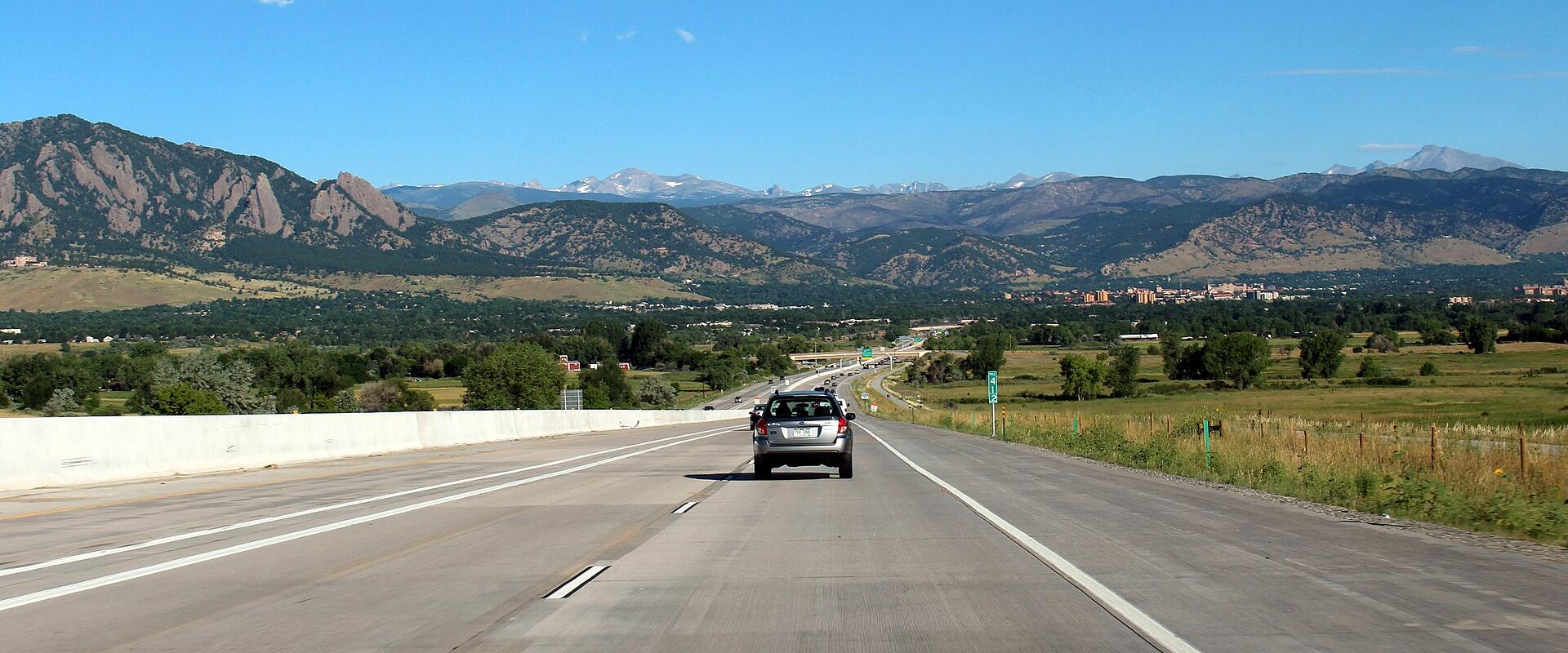
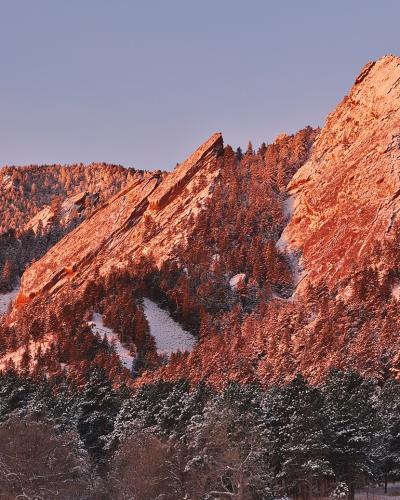
University town with iconic flatiron rock formations
History and Cultural Heritage
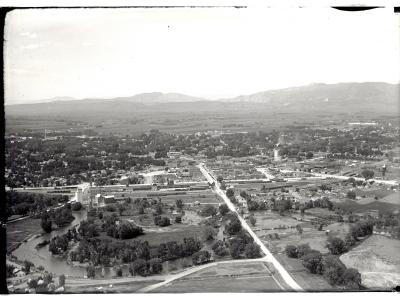
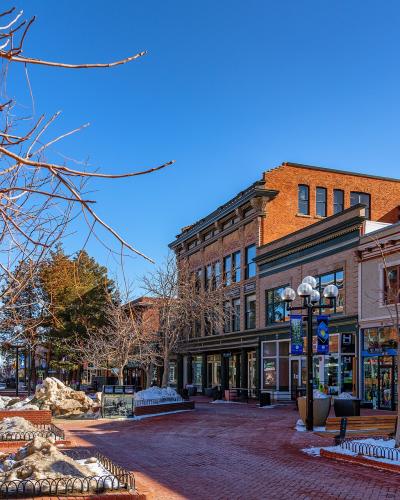
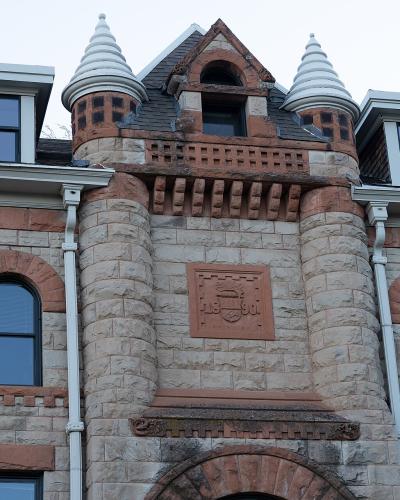
Boulder’s identity is deeply rooted in its countercultural history and intellectual heritage. Established in the late 19th century, the city evolved from a modest agricultural settlement into a hub for education and progressive thought, largely driven by the presence of the University of Colorado Boulder. This academic foundation has fostered a unique community culture that values intellectual curiosity, environmental stewardship, and inclusivity. The historic downtown area, centered around Pearl Street, serves as a vibrant hub where this intellectual and artistic spirit is on full display. The architecture reflects a blend of historic charm and modern innovation, creating an atmosphere that is both welcoming and intellectually stimulating. The community’s commitment to sustainability is evident in its local ordinances and community initiatives, which prioritize environmental protection and social equity.
Main Attractions and Landmarks
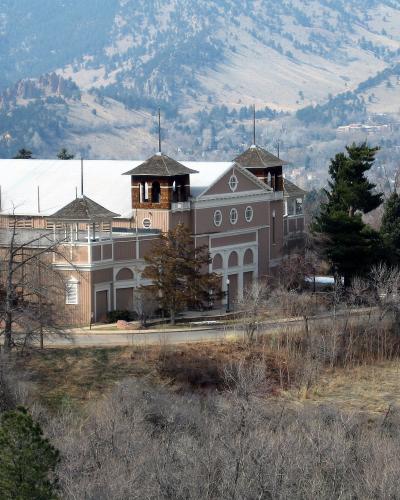
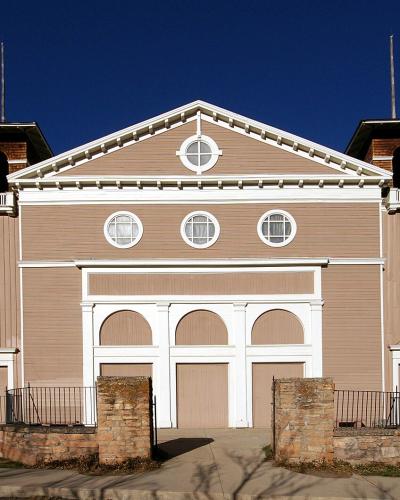
The most iconic landmark in the region is the view of the Flatirons, four massive, steep rock formations that dominate the western skyline. These geological formations are not only visually stunning but also hold significant cultural and geological importance. Chautauqua Park, located at the base of these formations, serves as a cultural and recreational hub, featuring historic buildings, amphitheaters, and extensive trail networks. The park is a focal point for both locals and visitors, offering a space for relaxation, reflection, and community gathering. Within the city, the Pearl Street Mall offers a vibrant pedestrian experience, lined with shops, restaurants, and street performers. The area is known for its diverse culinary scene, including several Michelin-recognized establishments, providing a high-quality dining experience that complements the outdoor lifestyle.
Activities and Experiences
Boulder is renowned for its outdoor recreation opportunities, offering a wide range of activities for all skill levels. The extensive network of trails, spanning over 155 miles, provides opportunities for hiking, mountain biking, and running. The terrain varies from gentle, paved paths along the Boulder Creek to rugged, challenging trails in the surrounding foothills. The city is also known for its stargazing opportunities, with clear skies and minimal light pollution in surrounding areas providing excellent viewing conditions. For those interested in more structured activities, the local community centers and parks offer classes and programs in various sports and wellness activities. The emphasis on an active, healthy lifestyle is a defining characteristic of the community, with many residents and visitors engaging in regular physical activity.
Getting There and Transportation
Boulder is easily accessible by car, located approximately 30 miles west of Denver. The city is well-connected by major highways, including Interstate 25 and Highway 36, making it a convenient destination for travelers. Public transportation is also a viable option, with frequent bus services connecting Boulder to neighboring communities and Denver. The city is designed to be pedestrian and bike-friendly, with an extensive network of bike paths and trails. Many visitors choose to rent bicycles or use shared e-bike and e-scooter services to explore the city and its surroundings. The compact nature of the downtown area makes it easy to navigate on foot, with most amenities, including restaurants, shops, and cultural attractions, located within walking distance of each other.
Best Time to Visit
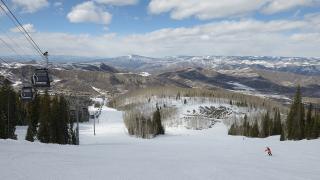
The best time to visit Boulder is during the spring and fall months, when the weather is mild and pleasant. Spring offers blooming flowers and comfortable temperatures, while fall provides crisp air and stunning foliage. Summer is also a popular time to visit, with warm, sunny days ideal for outdoor activities, though it can be crowded. Winter months can be cold and snowy, but the city offers a unique charm with its winter sports opportunities and festive atmosphere. Regardless of the season, Boulder offers a unique and rewarding experience for visitors, with its blend of natural beauty, cultural richness, and vibrant community life.
Best Time to Visit
May through September offers ideal weather for outdoor activities, with warm, sunny days.
Plan Your Visit to Boulder
Essential travel tips and information for your trip to Boulder.
Suggested Itineraries
Boulder Cultural Heritage
2 daysTwo-day cultural and nature tour in Boulder, Colorado
View ItineraryTravel Tips
Currency
USD • Cards widely accepted
Language
English • English in tourist areas
WiFi
Free WiFi in cafes and hotels
Explore Boulder by Interest
Discover attractions and experiences in Boulder organized by your interests and travel preferences.
All attractions in Boulder
Sorted by our recommendation score
Quick Facts
Book your stay
Frequently Asked Questions
More destinations in Northern Colorado
Explore other amazing places in the Northern Colorado region