Northern Colorado
Boulder, Fort Collins and Estes Park at the edge of the Rockies
- 3 destinations
- 14 attractions
About Northern Colorado
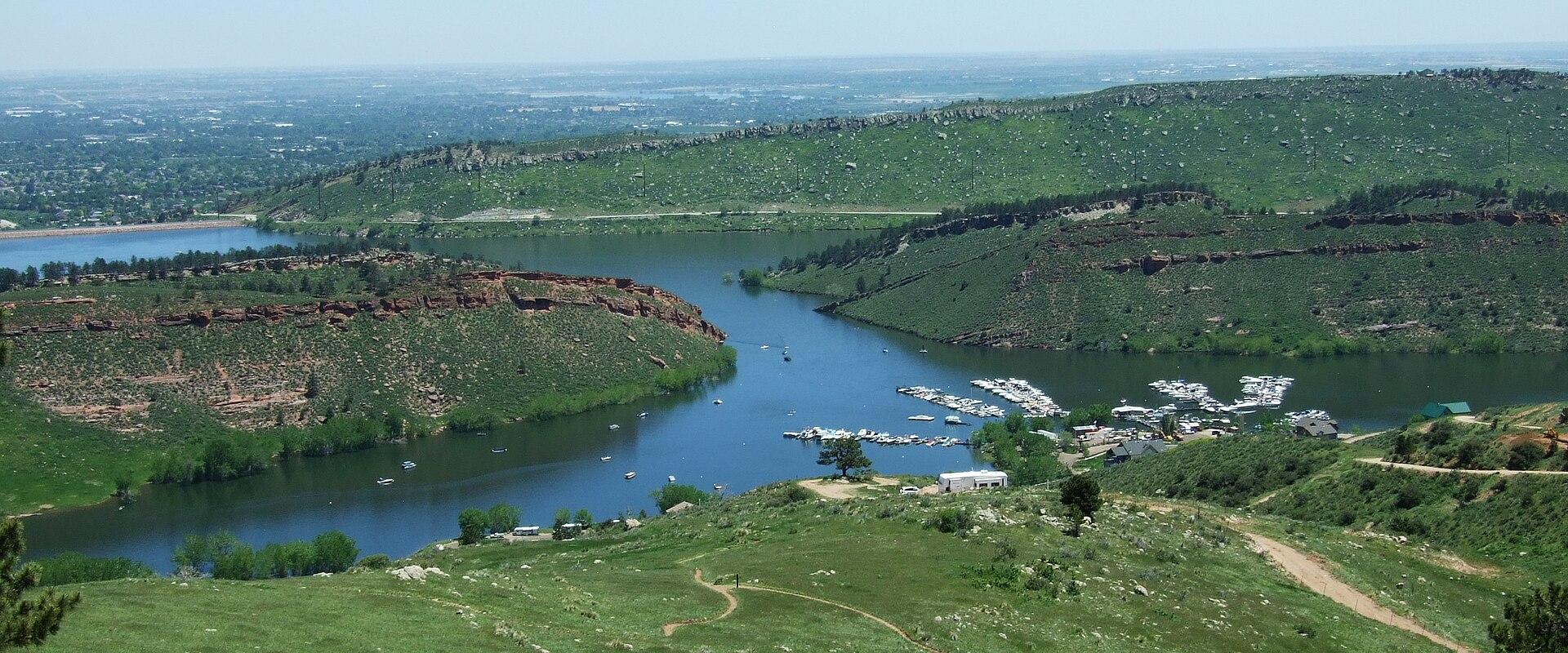
Northern Colorado runs along the Front Range north of Denver: Boulder under the Flatirons, Fort Collins on the Cache la Poudre River, and Estes Park, the main gateway to Rocky Mountain National Park.
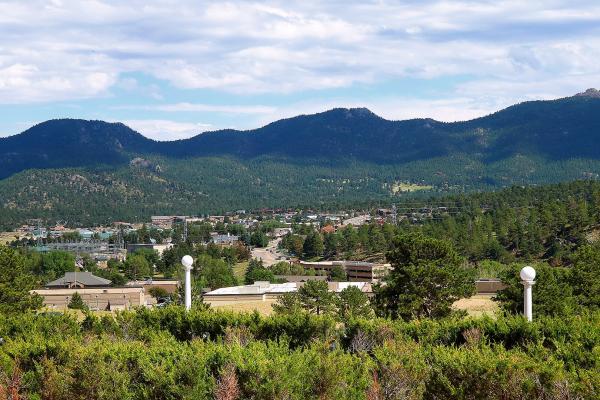
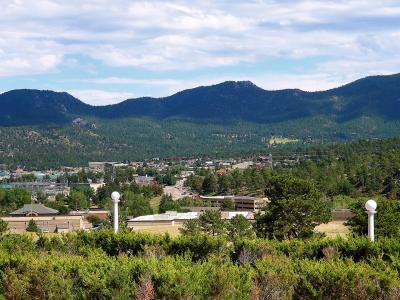
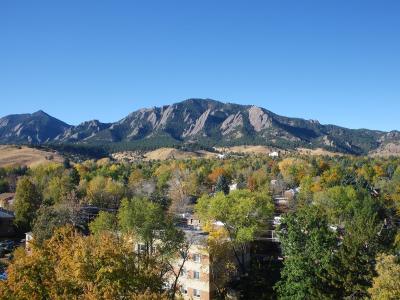
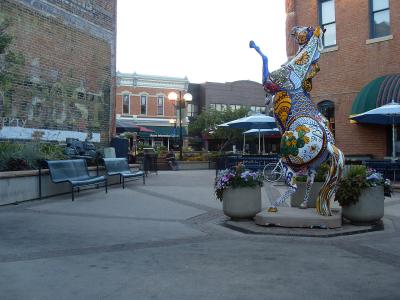
Northern Colorado is the strip of towns where the plains meet the Front Range north of Denver, with Rocky Mountain National Park in the mountains behind them. This guide covers three of them: Boulder, Fort Collins and Estes Park. Boulder lies about 30 miles north-west of Denver, beneath the Flatirons, the tilted slabs of sandstone on the slopes of Green Mountain. Chautauqua Park, at the foot of the Flatirons, is the start of many of the city's hiking trails, and the University of Colorado's main campus is close by. Downtown, the pedestrian Pearl Street Mall is the centre of town life. Boulder protects a large belt of open space around the city, so trailheads are minutes from the centre. Fort Collins, about 65 miles north of Denver, is home to Colorado State University and one of Colorado's best-known brewing scenes. Its Old Town district keeps its historic brick buildings. West of town, the Cache la Poudre River runs out of the mountains through Poudre Canyon; it is Colorado's only National Wild and Scenic River, and the canyon road is a popular drive and rafting run. Estes Park sits in a mountain valley at about 7,500 feet, at the eastern entrances of Rocky Mountain National Park. Elk graze on the town's edges, especially in autumn during the rut. The Stanley Hotel, opened in 1909 above the town, is known as the inspiration for Stephen King's novel The Shining. From late May to mid-October the park requires timed-entry reservations, booked on Recreation.gov: for most of the park between 9 a.m. and 2 p.m., and for the Bear Lake Road corridor between 5 a.m. and 6 p.m., so book before you go. Trail Ridge Road, which crosses the park over the Continental Divide and climbs to more than 12,000 feet, normally opens in late May and closes for the winter from mid-October, depending on snow. All three towns are within about an hour and a half of Denver International Airport. Summer and early autumn are the main seasons; Boulder and Fort Collins have mild, sunny winters, while Estes Park and the park get real snow.Where to go in Northern Colorado
What to see
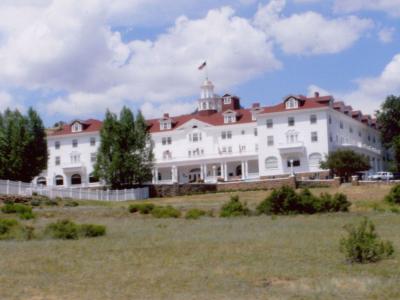
Estes Park · Historic Buildings
The Stanley Hotel
Located just five miles from the entrance to Rocky Mountain National Park, The Stanley Hotel is a historic landmark in E...
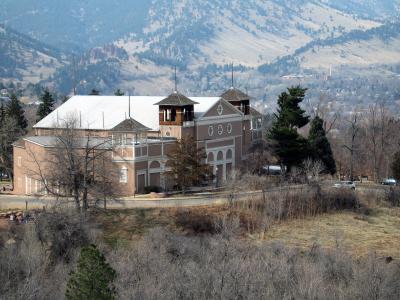
Boulder · Natural Landscapes
Chautauqua Park
Chautauqua Park sits at the western edge of Boulder, one of Boulder’s best-loved places, where the city's grid ends agai...
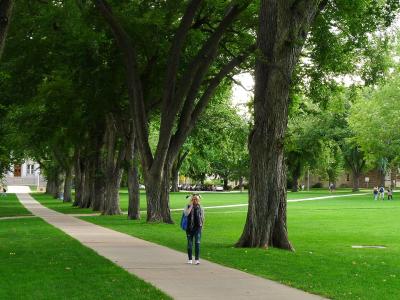
Fort Collins · Cultural Heritage
Colorado State University Campus
Colorado State University's campus in Fort Collins is a green, walkable swath of the city, set against the foothills of...
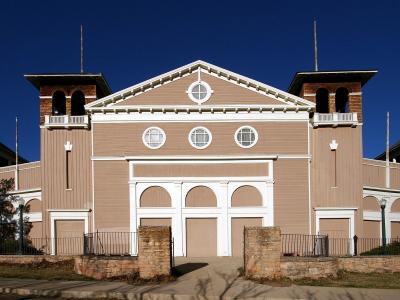
Boulder · Cultural Centers
Chautauqua Auditorium
Chautauqua Auditorium is the big wooden hall at the center of the Colorado Chautauqua, tucked under the Flatirons on the...
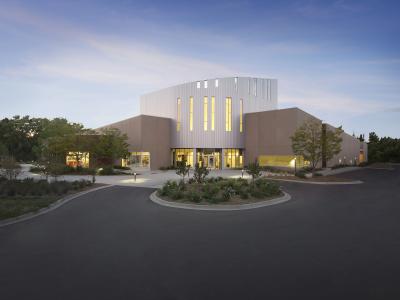
Fort Collins · Cultural Heritage
Fort Collins Museum of Discovery
The Fort Collins Museum of Discovery stands at 408 Mason Court, a few minutes from Old Town Fort Collins. It opened in 2...
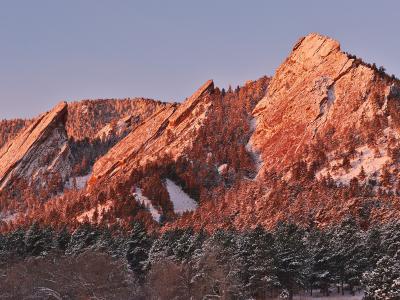
Boulder · Natural Landscapes
Flatirons
The Flatirons are the tilted slabs of rock that rise above the western edge of Boulder, Colorado, and they are the city'...
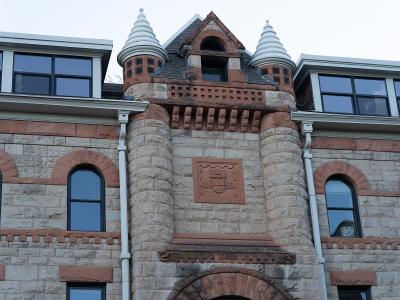
Boulder · Natural Landscapes
University of Colorado Boulder
The University of Colorado Boulder sits on a sandstone-and-red-tile campus at the foot of the Flatirons, with the Rocky...
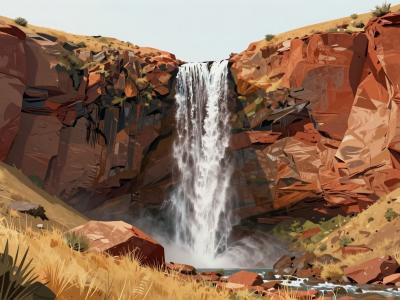
Fort Collins · Natural Landscapes
Horsetown Falls
Horsetown Falls is a name that points to the foothill country just west of Fort Collins, Colorado, where the area most c...
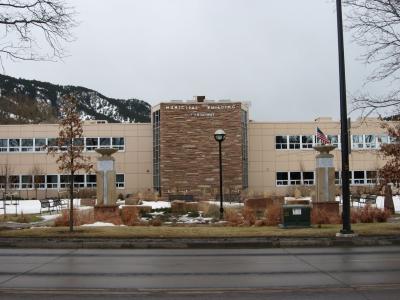
Boulder · Cultural Heritage
Boulder City Hall
Boulder City Hall, at 1777 Broadway, is the working home of the municipal government of Boulder, Colorado. It is an offi...