
Altitude Acclimatization
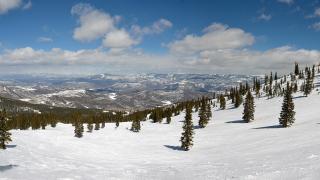
Colorado’s high elevation averages over 6,800 feet. This altitude creates a significant physiological constraint for first-time visitors. Acute mountain sickness poses a real health risk to those unaccustomed to thin air. Hydration serves as the primary mitigation strategy against these effects. Visitors must drink ample water to adjust to the lower oxygen levels. Rest is strictly required before engaging in any strenuous physical activity. Do not attempt strenuous hikes or heavy exercise on the first day. Allow your body time to acclimate to the reduced oxygen pressure. Ignoring these signs can lead to severe altitude sickness. Prioritize rest and hydration above all other activities during the initial phase of your trip. This caution ensures a safe and enjoyable experience throughout your stay in the Rocky Mountains.
Seasonal Variability
Colorado’s high altitude drastically alters weather patterns. Temperatures drop approximately 3.5°F for every 1,000 feet of elevation gain. This rapid change demands immediate preparation from first-time visitors. Hikers must layer clothing to manage fluctuating heat. Afternoon thunderstorms are common in the Rocky Mountains during summer. These storms can develop with little warning, bringing sudden cold and rain. Visitors must carry rain gear at all times. Sudden temperature drops can cause hypothermia, even in summer. Always check local forecasts before starting any trail. Weather conditions can shift from sunny to severe in minutes. Proper gear is essential for safety in these high-elevation environments. Always be prepared for rapid weather changes.
Road Trip Logistics
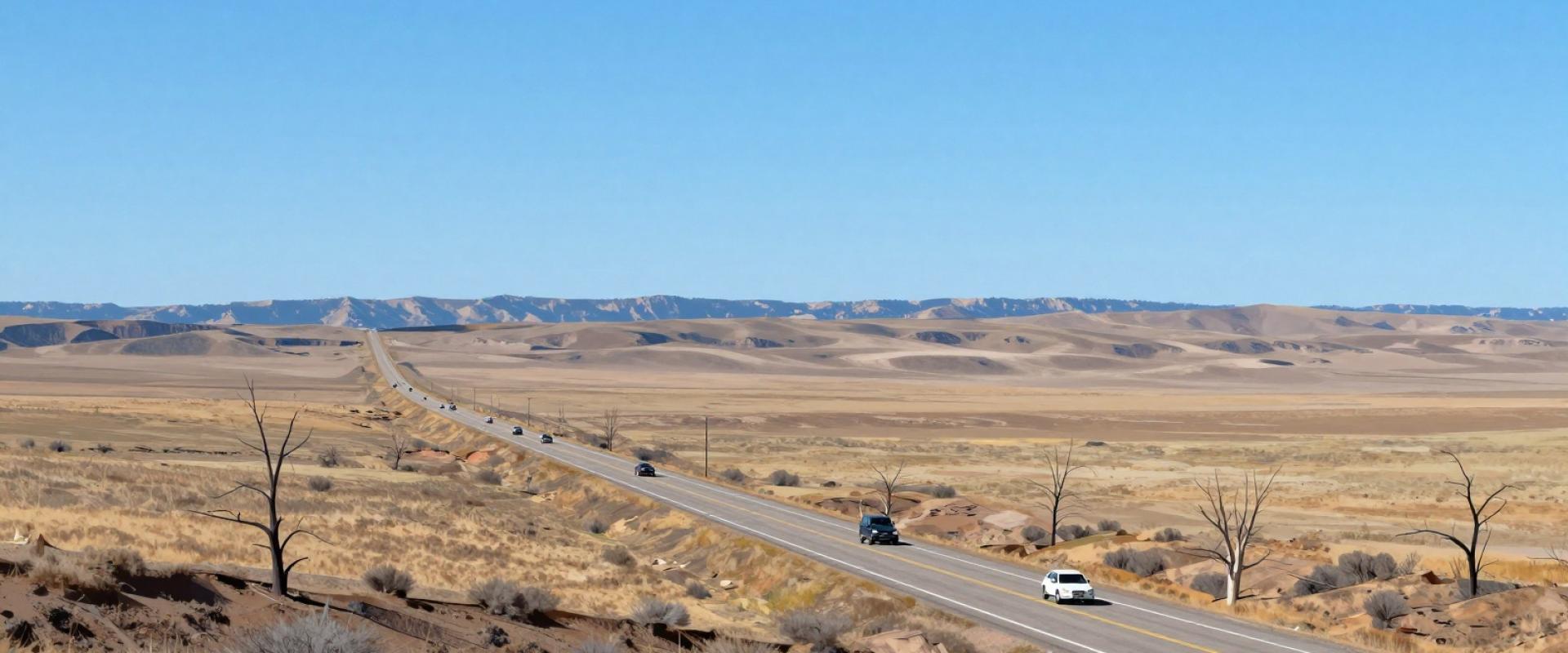
First-time visitors must navigate rugged terrain carefully. High-altitude driving requires specific vehicle preparation. An all-wheel-drive vehicle is strongly recommended for safety. This setup handles Colorado’s variable mountain roads effectively. Fuel stations are sparse in rural areas. Travelers must plan refueling stops between major towns. Public transportation is limited outside major cities like Denver. Private vehicles remain the primary mode of transport. Plan routes around available fuel stations. Check weather conditions before entering high-elevation passes. Snow can block roads even in summer. Always carry extra water and emergency supplies. The terrain changes rapidly with elevation. Adapt your driving speed to current conditions. Safety depends on careful route planning. Always check road closures before departure. State parks offer limited public transit options. Relying on private transport is essential. Ensure your vehicle is suitable for high altitudes. Thin air affects engine performance. Check tire pressure regularly. These steps ensure a safe road trip experience in Colorado.
Cultural Etiquette
First-time visitors must respect local environmental norms. Adhere strictly to 'Leave No Trace' principles in all natural areas. This preserves the fragile high-altitude ecosystem. Hikers must stay on designated trails at all times. Littering is strictly prohibited and heavily penalized. Local laws enforce strict alcohol service regulations. Vendors must check identification for all customers. Intoxicated individuals are not permitted to purchase alcohol. Public consumption of open containers is illegal in most areas. Drivers must carry valid insurance at all times. Colorado requires minimum liability coverage for all vehicles. Traffic laws are strictly enforced in mountain regions. Speed limits are strictly enforced on winding roads. Adhering to these rules ensures a safe visit. Respect for local communities is essential for all travelers. Interact politely with residents in rural areas. Support local businesses by purchasing locally made goods. This economic support helps sustain the local community. Always dispose of waste in designated receptacles. Leave all natural features undisturbed for future visitors. Complying with local laws ensures a smooth experience. Respect for the environment is a shared responsibility. All visitors must help maintain the natural beauty. This collective effort preserves the state's unique character. Adhering to these norms is essential for everyone.
Budget Planning
Colorado imposes high costs on tourists. First-time visitors face steep prices in popular areas. Accommodation expenses rise significantly in mountain towns. You must book lodging well in advance. Last-minute bookings often result in inflated rates. Consider affordable motels for budget-friendly stays. Vacation rentals offer cost-effective alternatives for groups. Staying outside town centers reduces nightly fees. Utilize a strict budget approach for road trips. This strategy helps manage overall travel expenses. Prioritize essential costs over luxury amenities. Plan meals carefully to control daily spending. Research free activities to lower total costs. Colorado’s diverse landscapes offer many low-cost options. Focus on value rather than premium services. Save money by avoiding peak season travel. Early planning ensures better financial control. Manage expectations regarding local service charges. Verify all fees before confirming reservations. Stay informed about current market rates. Adjust your itinerary based on available funds. Financial discipline enhances the overall experience. Colorado rewards prepared and frugal travelers. Smart choices lead to a rewarding trip. Avoid impulse purchases in tourist zones. Track expenses daily to stay on budget. This practice prevents unexpected financial stress. Enjoy Colorado without breaking the bank.