Colorado's main hiking season runs from late June through September, when snow has melted off most high trails, though foothill and canyon trails near Denver, Boulder and Colorado Springs are hikeable much of the year. Start early to avoid afternoon thunderstorms, acclimatize before going high, and check whether your trailhead needs a reservation.
Checked: October 2026.
When is the best time to hike in Colorado?
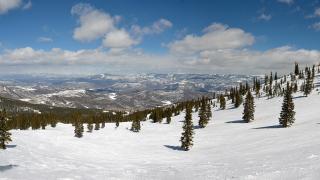
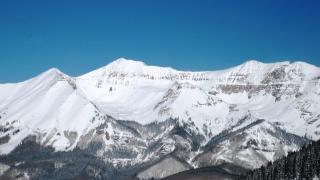
Snowpack decides the calendar. Trails below about 8,000 feet often open in spring, while routes above treeline can hold snow into July after a big winter. July and August bring wildflowers and reliable access to high lakes and peaks. September is many locals' favorite month, with fewer storms, thinner crowds and golden aspens in the second half of the month. By October, snow can return to the high country at any time.
Winter hiking is possible on lower Front Range trails and with snowshoes in the mountains, but avalanche terrain needs training and gear.
Afternoon storms and lightning
Summer thunderstorms build over the mountains almost every afternoon from July into August. Lightning is one of the most serious hazards for hikers above treeline. The standard rule is to start before sunrise on big hikes and be off exposed summits and ridges by around noon. If thunder starts while you are above trees, head down immediately rather than waiting it out.
Altitude: how to adjust
Denver sits at about 5,280 feet, many mountain towns are at 8,000-10,000 feet, and Colorado's highest summit, Mount Elbert, reaches 14,440 feet. Visitors from sea level often feel headaches, shortness of breath or poor sleep for the first day or two.
- Spend a night or two in Denver or a mid-elevation town before a high hike.
- Drink more water than you think you need; the air is very dry.
- Start with shorter trails and save summits for later in the trip.
- If headache, nausea or dizziness gets worse as you climb, turn around and descend.
Fourteeners: what to know
Colorado has 53 peaks over 14,000 feet that meet the usual prominence rule, or 58 if you count every named summit. Locals call them fourteeners, and they draw large crowds in summer. Popular first fourteeners include Mount Bierstadt, Quandary Peak, Grays and Torreys Peaks, and Mount Elbert. None of these is a casual walk: expect 3,000 or more feet of climbing, loose rock and cold, windy summits. Quandary Peak has required paid parking reservations at the trailhead in recent summers, so check before you drive up.
Popular trails that need permits or reservations
Several of Colorado's most famous hikes now use reservation systems to control crowds:
| Place | What you need |
|---|---|
| Rocky Mountain National Park | Timed entry reservation from late May to mid-October for daytime entry; the Bear Lake Road corridor needs a separate, longer-hours permit |
| Hanging Lake, near Glenwood Springs | Advance permit required year-round for this steep 1.2-mile trail |
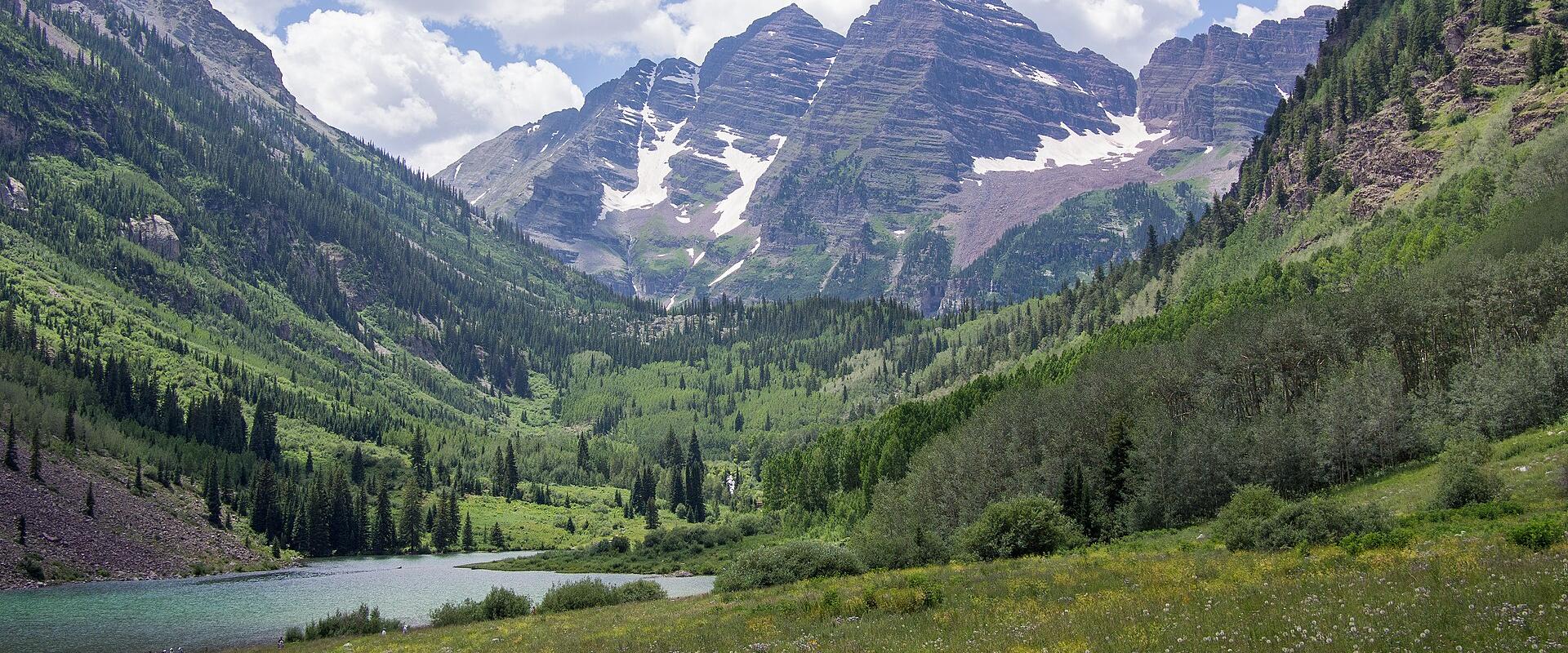
| Maroon Bells, near Aspen | Shuttle or parking reservation in summer and fall |
| Mount Blue Sky (formerly Mount Evans) | Timed vehicle reservation for the summit road in recent seasons |
| Brainard Lake, near Ward | Timed entry reservation in recent summers |
For Rocky Mountain National Park in 2026, timed entry ran from May 22 into October, with reservations needed from 9 a.m. to 2 p.m. Reservations are released on Recreation.gov at the start of each month for the following month, and some are released the evening before. Entering before 9 a.m. works without a reservation.
Good hikes by region
- Front Range: Royal Arch and the Flatirons trails from Boulder's Chautauqua Park; the Manitou Incline and Garden of the Gods near Colorado Springs; Red Rocks Trail west of Denver.
- Rocky Mountain National Park: Emerald Lake, Sky Pond and Chasm Lake are classic day hikes.
- Central mountains: The Colorado Trail crosses the state for nearly 500 miles from Denver to Durango and has many short day-hike sections near Breckenridge and Copper Mountain.
- San Juans: Ice Lake Basin near Silverton and the trails around Ouray are known for steep climbs and colorful mountains.
Wildlife safety
Colorado has black bears, moose, elk and mountain lions.
- Moose are involved in more conflicts with people than many visitors expect. Give them a wide berth, and keep dogs leashed, as moose react aggressively to them.
- Black bears are usually shy. Store food properly, make noise in thick brush, and carry bear spray if you like the extra margin.
- Mountain lions are rarely seen. If you meet one, do not run; make yourself look large, keep children close and back away slowly.
- Elk are especially aggressive during the fall rut and during spring calving.
Gear and safety basics
- Carry layers, a rain jacket, sun protection, a headlamp and more water than you expect to need.
- Download offline maps; cell coverage disappears in many valleys. The state's COTREX app shows official trail data.
- Buy a CORSAR card, an inexpensive card that supports the fund that reimburses county search and rescue teams for missions.
- Check fire restrictions before you camp; campfire bans are common in dry summers.
- Follow Leave No Trace principles and stay on the trail through fragile alpine tundra.