Denver Metro
Colorado's capital and the gateway to the mountains
- 1 destination
- 7 attractions
About Denver Metro
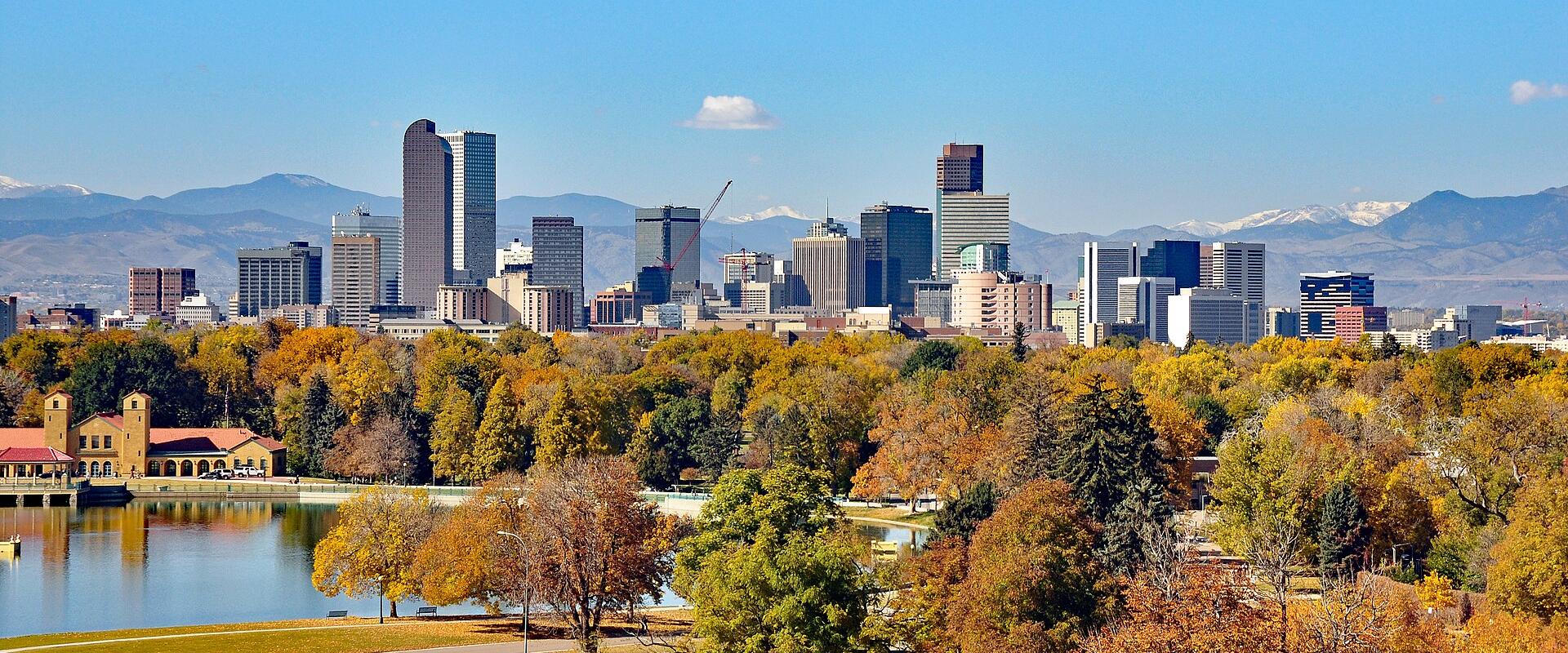
Denver is Colorado's capital and largest city, a mile above sea level where the Great Plains meet the Front Range. It is where most trips to Colorado start, with the state's main airport, museums, sports and music, and the mountains about an hour west on Interstate 70.
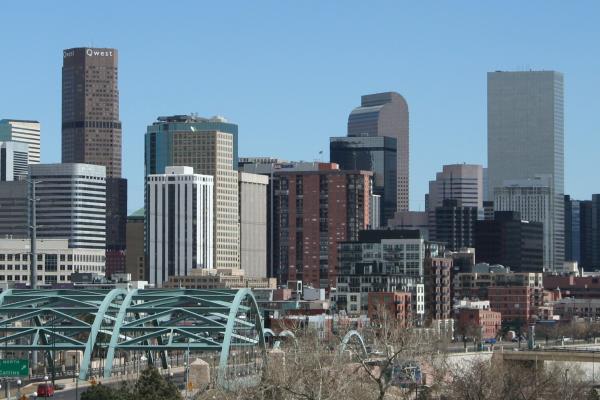
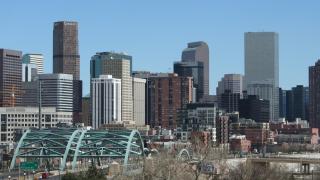
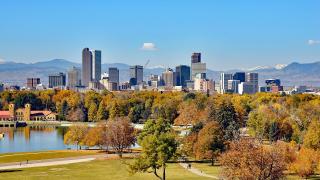
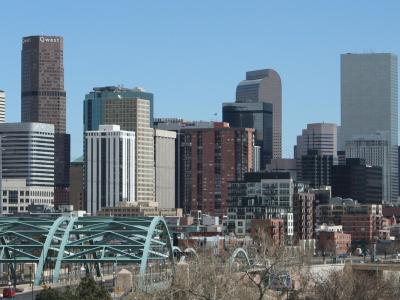
Denver sits on the South Platte River at the western edge of the Great Plains, with the Front Range of the Rocky Mountains on the western skyline. Its nickname, the Mile High City, is literal: one step on the west side of the State Capitol is marked at 5,280 feet. The city was founded in 1858 during the Pike's Peak gold rush and grew as the supply and rail hub for the mining camps in the mountains. Most visitors arrive at Denver International Airport, about 25 miles north-east of downtown. RTD's A Line train runs from the airport to Union Station downtown in about 40 minutes, so you do not need a car for the city itself. Union Station, restored in 2014, is also the stop for Amtrak's California Zephyr. Downtown and the neighbourhoods around it hold most of the sights: the Denver Art Museum and the Clyfford Still Museum in the Golden Triangle, the History Colorado Center, Larimer Square and the brick warehouses of Lower Downtown, where Coors Field is home to the Colorado Rockies baseball team. In City Park, the Denver Museum of Nature & Science looks west across the lake to the mountains. The Denver Botanic Gardens are in Cheesman Park's neighbourhood, a short ride east of downtown. Red Rocks Park and Amphitheatre, in the foothills near Morrison about 15 miles west, is a concert venue built between two sandstone monoliths; the park and its trails are open to visitors outside concert times. It belongs to Denver's mountain park system, which also includes parks and land further into the foothills. Denver works as a base for day trips: Boulder and the Flatirons, listed in this guide under Northern Colorado, are about 30 miles north-west; Colorado Springs and Pikes Peak about 70 miles south on Interstate 25; and the ski towns of Summit County about 70 miles west on I-70. Rocky Mountain National Park, by way of Estes Park, is about two hours away, and from late May to mid-October you need a timed-entry reservation to enter between 9am and 2pm (5am to 6pm for the Bear Lake Road). The altitude is mild compared with the mountain towns, but the air is dry and the sun strong: drink more water than usual. Spring and autumn are the most comfortable seasons; winter in the city itself brings sunny days between snowfalls, and snow rarely lies for long.Where to go in Denver Metro
What to see
Denver · Art Galleries
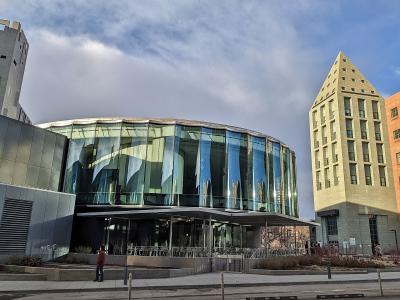
Denver Art Museum
The Denver Art Museum, located in downtown Denver, offers a compelling blend of artistic heritage and modern architectur...
Denver · Recreation & Outdoors
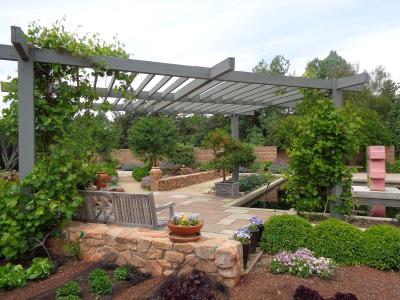
Denver Botanic Gardens
In central Denver, the Denver Botanic Gardens offers a serene escape from the urban bustle, centered around its main cam...
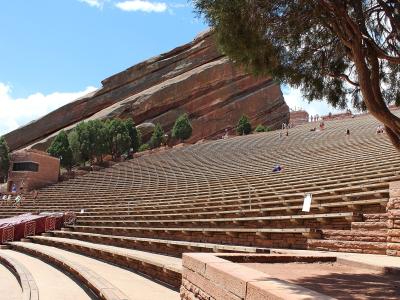
Denver · Arts & Culture
Red Rocks Park and Amphitheatre
Red Rocks Park and Amphitheatre, located approximately ten miles southwest of Denver near Morrison, offers a striking na...
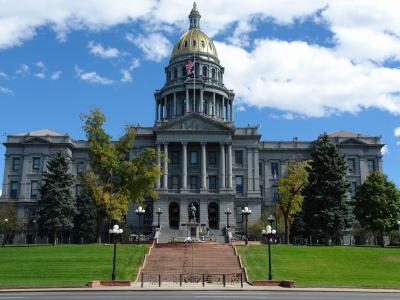
Denver · Cultural Heritage
Colorado State Capitol
The Colorado State Capitol is a majestic landmark at 200 East Colfax Avenue, anchoring Denver's Civic Center. Completed...
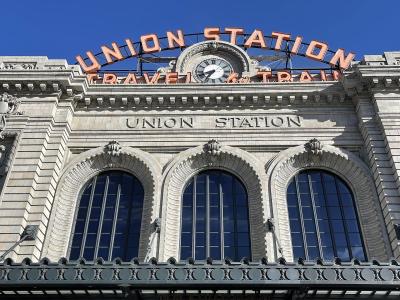
Denver · Cultural Heritage
Denver Union Station
Located at 1701 Wynkoop Street, Denver Union Station functions as a central transit hub and historic landmark. The main...
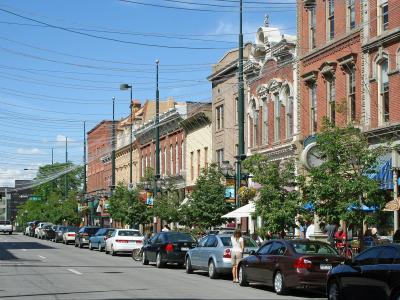
Denver · Cultural Heritage
Larimer Square
In downtown Denver, Larimer Square is a historic district and a lively hub for culture and commerce. As one of the city'...
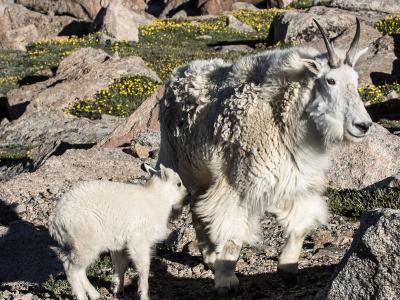
Denver · Natural Landscapes
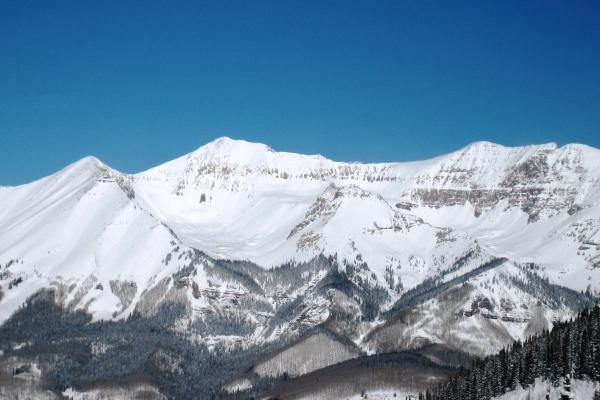
Mount Blue Sky (Mount Evans)
Mount Blue Sky rises to roughly 14,270 feet in the Front Range of the Rocky Mountains west of Denver, and it was known a...