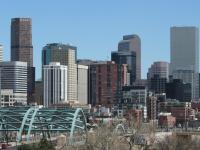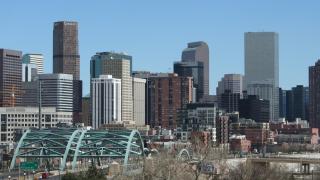
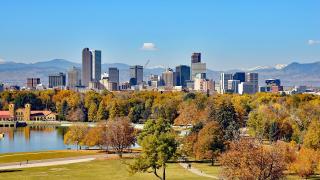

Denver serves as the central hub for urban exploration in Colorado. The 16th Street Mall serves as the primary transit corridor. This pedestrian zone connects major downtown destinations. The MallRide shuttle provides free, convenient transit along the mall. Buses run frequently to accommodate high foot traffic. High altitude requires acclimation and proper hydration. Visitors should drink water to adjust to the elevation. The air is thinner at one mile above sea level. Rest is essential before engaging in strenuous activity. Denver International Airport is the primary entry point. Travelers often fly into Denver International Airport directly. From there, public transit or rental cars are options. Renting a car is essential for broader regional exploration. A heavy-duty vehicle is recommended for winter travel. Snow conditions can affect road accessibility significantly. Planning ahead ensures a smooth and safe experience. Local guides suggest checking weather conditions daily. Flexibility is key when navigating variable mountain weather. The Centennial State offers diverse urban and natural landscapes. Denver provides a central base for these adventures. Exploring the city requires attention to altitude effects. Hydration remains a critical component of the visit. Staying hydrated helps prevent altitude sickness symptoms. Planning is essential for a successful trip.
Transit Logistics and Connectivity
RTD provides a comprehensive network of light rail and bus services. The A-Line offers direct connections from Denver International Airport. This rail service connects the airport to Union Station in 40 minutes. The B-Line serves the northeast corridor with frequent stops. These rail options provide efficient access to downtown Denver. Public transit is cost-effective for urban exploration. Fares are affordable compared to parking fees in dense areas. The system avoids the stress of finding parking in downtown areas. Buses and light rail integrate seamlessly for smooth travel. You can transfer between lines without extra charges. This connectivity supports efficient exploration of the city. The RTD network covers major commercial and cultural districts. Travelers can reach major attractions without a personal vehicle. The system operates on a consistent schedule daily. This reliability supports both tourists and local commuters. The integrated fare system simplifies payment for all users. You can use the same ticket for buses and trains. This convenience enhances the overall travel experience in Colorado.
Exploring Boulder and the Foothills
Boulder offers a distinct urban experience adjacent to the Rocky Mountains. The downtown area features walkable streets and vibrant local culture. This layout supports easy access to shops and restaurants. The Flatirons provide a striking natural backdrop to the city. These rock formations are visible from many downtown locations. The environment blends urban amenities with immediate outdoor access. Travelers can explore cultural sites during the day. Hiking trails are accessible directly from the urban core. This proximity allows for seamless transitions between activities. Visitors can enjoy coffee in the morning. Afternoon hours are suitable for mountain exploration. The region supports both relaxation and active adventure. This balance defines the unique character of the area. The infrastructure supports both leisure and utility needs. The location serves as a central hub for exploration. The area accommodates various travel styles and interests. The infrastructure supports efficient navigation for all visitors.
Colorado Springs and the Gateway to the West
Colorado Springs serves as a strategic gateway to the western state. The city offers a distinct blend of historic and modern architecture. This urban landscape provides a unique backdrop for exploration. Pikes Peak stands as a prominent landmark nearby. The mountain's proximity allows for easy access from the city center. Residents and visitors can reach the summit via the Pikes Peak Highway. This route offers stunning views of the surrounding Rocky Mountains. The area serves as a strategic base for exploring natural landscapes. Hikers can access various trails starting directly from the urban edge. The city's layout supports efficient travel to these natural sites. Transportation options include local buses and personal vehicles. Renting a car provides flexibility for exploring the wider region. The urban core connects seamlessly with the surrounding natural environment. This integration allows for seamless transitions between city life and nature. The area supports both leisure and adventure activities. Visitors can explore historic sites during the day. Evening activities include dining in the downtown district. The city offers a balanced experience of urban and natural elements. This balance makes it an ideal base for exploration. The region's high elevation adds a unique character to the experience. The clear air provides excellent visibility for sightseeing. The area is suitable for all seasons. Winter activities include skiing in nearby mountains. Summer months offer ideal conditions for hiking. The region supports a variety of outdoor activities. The area is suitable for all skill levels. The region is accessible via major highways. The area is well-connected to other destinations. The region is a popular destination for tourists. The area is known for its natural beauty. The region is a hub for outdoor enthusiasts. The area is a center for adventure tourism. The region is a key destination in Colorado.
Practical Tips for Urban Exploration
High-altitude conditions in Denver require specific acclimation strategies. The thin air at 5,280 feet demands immediate hydration. Drink water frequently to prevent altitude sickness. Plan your itinerary to account for this physical adjustment. Denver’s weather remains highly unpredictable throughout the year. Sudden storms can occur even during sunny afternoons. Always carry rain gear in your backpack. Dress in layers to manage rapid temperature changes. This approach ensures comfort during variable urban conditions. Public transit offers a convenient and cost-effective travel option. The Regional Transportation District serves the metropolitan area. Use the light rail for efficient downtown navigation. This system connects major hubs without vehicle costs. Plan ahead to ensure a safe exploration experience. Check transit schedules before leaving your accommodation. Verify operating hours for all planned destinations. This preparation prevents unexpected delays during your trip. Prioritize safety by staying aware of your surroundings. Urban exploration in Colorado requires careful planning and preparation. Stay hydrated and dress appropriately for the climate. These steps ensure a safe and enjoyable experience.