High-Altitude Aquatic Realities
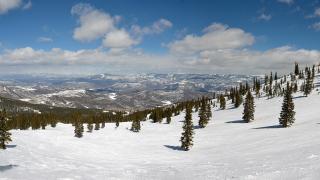
Colorado’s high elevation alters physical exertion. Thinner air increases breathing effort during water sports. Sun exposure intensifies significantly at higher altitudes. UV radiation levels are higher above 5,000 feet. Acclimatization is critical for safety before strenuous activity. Dehydration risks increase rapidly in thin, dry air. Participants must hydrate frequently to maintain performance. Physical strain is greater due to lower oxygen levels. Rest periods are essential to prevent fatigue. Local conditions change quickly with weather shifts. Cold water temperatures are common in mountain lakes. Proper gear is necessary for thermal protection. Safety protocols must account for altitude effects. Always check specific lake conditions before entering. Local authorities provide current safety guidelines. Always wear a life jacket while on water. Be aware of sudden weather changes. High altitude requires extra preparation and caution.
Whitewater Rafting on the Rockies
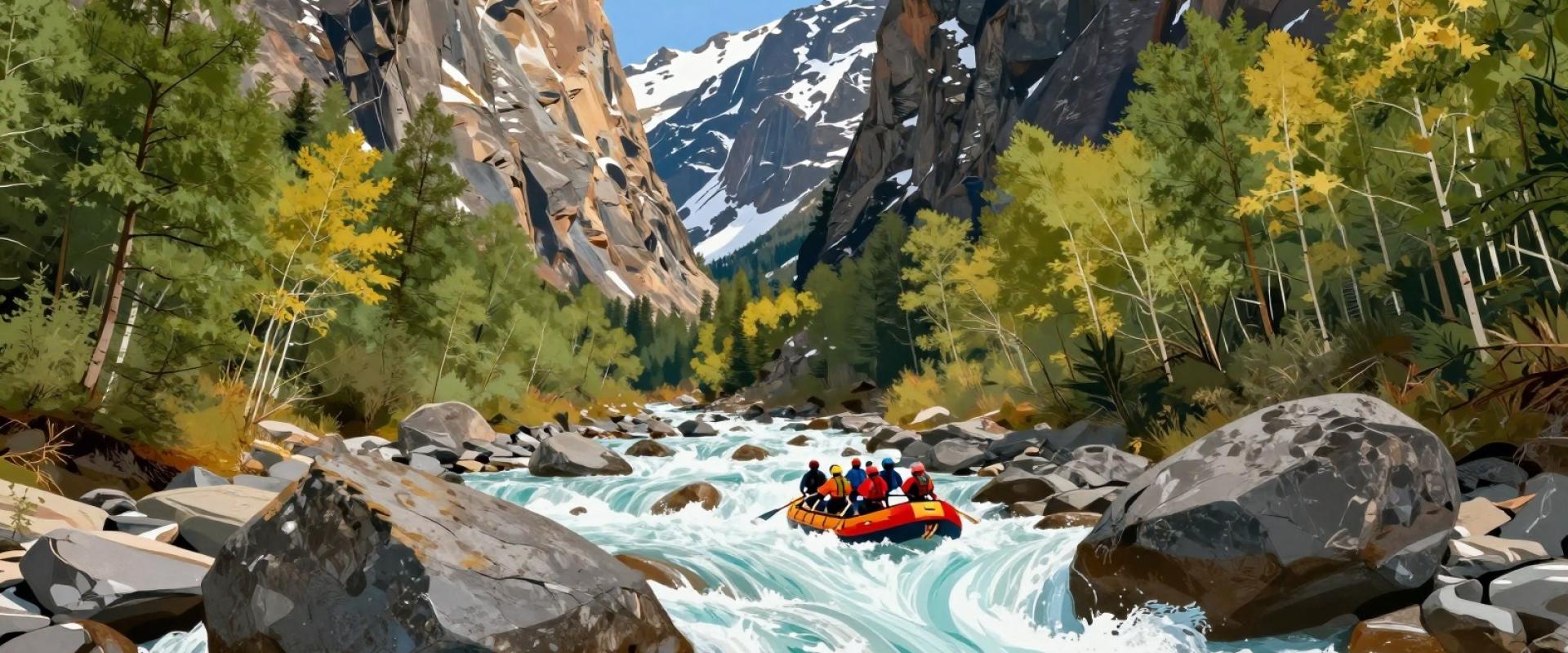
The Arkansas River serves as a premier destination for rafting in Colorado. This route offers diverse rapids suitable for various skill levels. Guided tours are essential for safety on these challenging waters. Local experts provide necessary expertise to navigate the current safely. The state’s high altitude adds complexity to the physical experience. Participants must be prepared for intense physical exertion. The thin air at higher elevations increases breathing effort. This requires greater stamina from all rafters during the trip. Options range from gentle floats to intense, white-water challenges. This variety ensures that beginners and experts find suitable options. Guided tours provide safety and local knowledge of the river. They manage risks associated with sudden changes in water flow. The guide’s expertise is critical for navigating safe passages. Rafting is a major part of Colorado’s water sports culture. It attracts visitors seeking adventure in the Rocky Mountains. The state’s unique geography creates unique rafting conditions. The combination of high altitude and mountain terrain defines the experience. This makes Colorado a distinct destination for white-water enthusiasts. The specific conditions require careful preparation and proper gear. Safety remains the top priority for all participants on the water.
Lake Swimming and Reservoir Recreation
Colorado’s high-altitude lakes remain cold year-round. Summer heat rarely warms the deep water. Swimmers face cold shock risks immediately upon entry. Standard swimwear offers insufficient insulation for these temperatures. A full wetsuit is strongly recommended for safety. The cold water can cause muscle cramping quickly. Swimmers must exercise extreme caution in all conditions. Currents in reservoirs can be stronger than expected. Always assess water conditions before entering the lake. Local guidelines often restrict swimming in certain areas. Respect all posted signage and local regulations. Safety gear is essential for a safe experience. Cold water immersion requires proper preparation and caution. Always swim with a buddy for added safety.
Specialized Water Experiences
Colorado offers unique aquatic experiences beyond standard swimming. Amphicar rides are available in Grand Lake. This location hosts one of only three global sites for the Amphicar Model 770. Riders can take shuttle rides from Memorial Day through Labor Day. The cost is approximately $150 per carload. This provides a unique perspective on the local environment. Scuba diving is also available in controlled settings. The Denver Downtown Aquarium offers safe, controlled environments. Certified divers can explore the aquarium’s aquatic life. This option is suitable for those aged ten and older. These specialized activities provide unique perspectives on Colorado’s water. They highlight the state’s diverse aquatic landscape. Visitors can experience unique interactions with aquatic environments. These options cater to specific interests in water sports. The experiences are distinct from standard lake activities. They offer a specialized view of the local ecosystem. This approach ensures a unique and memorable experience for all participants involved in these specific water activities.
Safety and Preparation Essentials
Colorado’s high-altitude environment demands specific safety preparations. The thin air increases physical exertion during all water sports. Sun exposure intensifies significantly at higher elevations. Always wear a properly fitted life jacket. UV radiation is strong, so apply sunscreen regularly. Check local weather forecasts before entering the water. Conditions change rapidly in the Rocky Mountains. Be aware of the signs of hypothermia. Cold water temperatures persist even in summer. Dehydration is a common risk in the dry climate. Drink water frequently, even if you do not feel thirsty. Take regular breaks to rest and rehydrate. Wear appropriate gear, including closed-toe shoes for rocky areas. Always check local regulations for specific water bodies. Respect the power of the high-altitude environment. Prioritize safety over speed in all activities.