




Colorado is an expensive place to live by U.S. standards, and housing is the main reason. Census figures put the state's median home value at $539,400 and its median rent at $1,761 a month (2020–2024 estimates). Ski and resort towns cost far more than that. Taxes are moderate: a flat state income tax of 4.4% for 2025, and a state sales tax of just 2.9%, though local sales taxes push the rate you actually pay much higher. Electricity runs slightly below the national average. Every figure below includes its date, because costs here change quickly.
Housing: the biggest line in the budget
The U.S. Census Bureau's American Community Survey (2020–2024 five-year estimates) gives Colorado:
- Median value of owner-occupied homes: $539,400
- Median gross rent: $1,761 a month (rent plus utilities where the tenant pays them)
Those are statewide medians. Central Denver, Boulder and the resort counties sit well above them, while the eastern plains, the San Luis Valley and parts of southern Colorado sit well below. Within the Denver metro, newer suburbs often add homeowners' association fees and special district taxes, so compare total monthly cost, not just the price.
Two Colorado-specific costs to plan for:
- Insurance. The Rocky Mountain Insurance Association says up to half of a Colorado homeowners' insurance premium may go towards hail and wind damage. The Front Range sits in "Hail Alley", and wildfire risk affects premiums in the foothills and mountains.
- Comprehensive car insurance. It's optional, but it's what covers hail damage to your car, so most residents carry it.
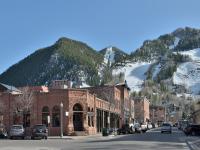
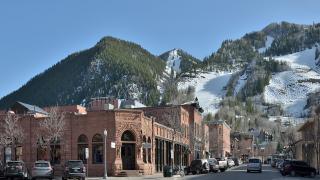
Mountain resort towns are a different market. Homes compete with second-home buyers and short-term rentals, and long-term rentals are scarce. Employers know this. Vail Resorts, for example, advertised a $20 an hour starting wage in 2026 and offers employee housing at its Colorado resorts. But it warns that most of that housing is shared and availability is limited. Expect restaurant meals and everyday shopping to cost more in resort towns too.
The usual workaround is to live down-valley in a less expensive town and commute by car or regional bus.
Everyday prices and inflation
The best official measure for the state is the U.S. Bureau of Labor Statistics consumer price index for the Denver area. For July 2026, BLS reported prices up 3.9% over the year. By category:
| Category (Denver area) | 12-month change to July 2026 |
|---|---|
| All items | +3.9% |
| Food at home (groceries) | +2.9% |
| Food away from home | +4.1% |
| Energy | +17.2% |
| Gasoline | +25.6% |
| Shelter | +2.0% |
Shelter inflation has cooled, but fuel and energy rose sharply over that year. Budget extra for driving, especially if you'll live in the mountains and drive the passes.
Utilities
Colorado electricity is a little cheaper than the U.S. average. The U.S. Energy Information Administration's preliminary figures for July 2026 put the average residential price at 17.00 cents per kWh in Colorado, against 18.31 cents nationally. Many homes heat with natural gas, and your winter heating bill depends on your provider and elevation. Colder mountain towns use far more heat than Denver. Ask landlords or sellers for 12 months of utility history.
Taxes
Income tax. Colorado has a single flat rate on taxable income. According to the Colorado Department of Revenue, it was 4.4% for tax year 2025 and 4.25% for 2024. The rate can drop temporarily in years when the state collects more than its constitutional (TABOR) revenue limit allows. TABOR surpluses are also returned to taxpayers as refunds, so check the rate for each tax year.
Sales tax. The state rate is 2.9%, one of the lowest in the country. Cities, counties and special districts such as the Denver-area transit district add their own rates, and some home-rule cities collect their own sales tax separately. The total varies by address: Denver's combined rate is 9.15% in 2026, and resort towns often add lodging and other local taxes. Use the Department of Revenue's rate lookup for an exact address.
Property tax. Colorado assesses residential property at a fraction of market value, and local mill levies vary widely. Get the actual tax bill for any home you're considering, not an estimate.
Wages
Colorado's statewide minimum wage for 2026 is $15.16 an hour ($12.14 for tipped workers), according to the Colorado Department of Labor and Employment, and some local governments set higher minimums. The state's high housing costs mean the gap between the minimum wage and a comfortable income is wide, especially in the mountains.
Banking and money for newcomers
- Bank accounts. Opening a U.S. bank account generally requires ID and proof of address. Large national banks and Colorado credit unions both operate statewide. Credit unions often have lower fees, and many mountain towns have a local branch.
- Cards. Cards, including contactless, are accepted almost everywhere. Carry a little cash for small rural businesses and tips.
- Tipping. Restaurant tipping is customary in Colorado, as elsewhere in the U.S., and is built into many service workers' income.
- Credit history. If you're moving from abroad, you'll start without a U.S. credit history. Landlords may ask for a bigger deposit or a guarantor, and a secured credit card is the usual way to build credit.
Sample monthly budget checklist
Use this list to build your own budget, using current quotes rather than averages:
- Rent or mortgage, plus HOA and metro district fees
- Homeowners' or renters' insurance, and comprehensive auto coverage
- Electricity and natural gas (ask for 12 months of history)
- Groceries, at your local store's prices
- Fuel, or a transit pass (RTD in the Denver area)
- Health insurance (from an employer or the state marketplace)
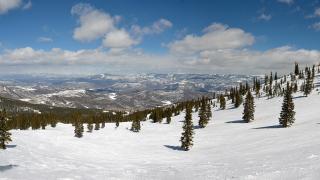
- Ski pass, state parks pass and gear, if they're why you moved
Bottom line
Your housing choice drives what Colorado costs you. Front Range suburbs and smaller cities are the middle ground. Central Denver and Boulder cost more. Resort towns are the most expensive, unless your employer provides housing. Taxes are moderate, and electricity runs slightly under the national average. The costs newcomers most often underestimate are hail and wildfire insurance, mountain driving, and the winter gear an outdoor life needs.