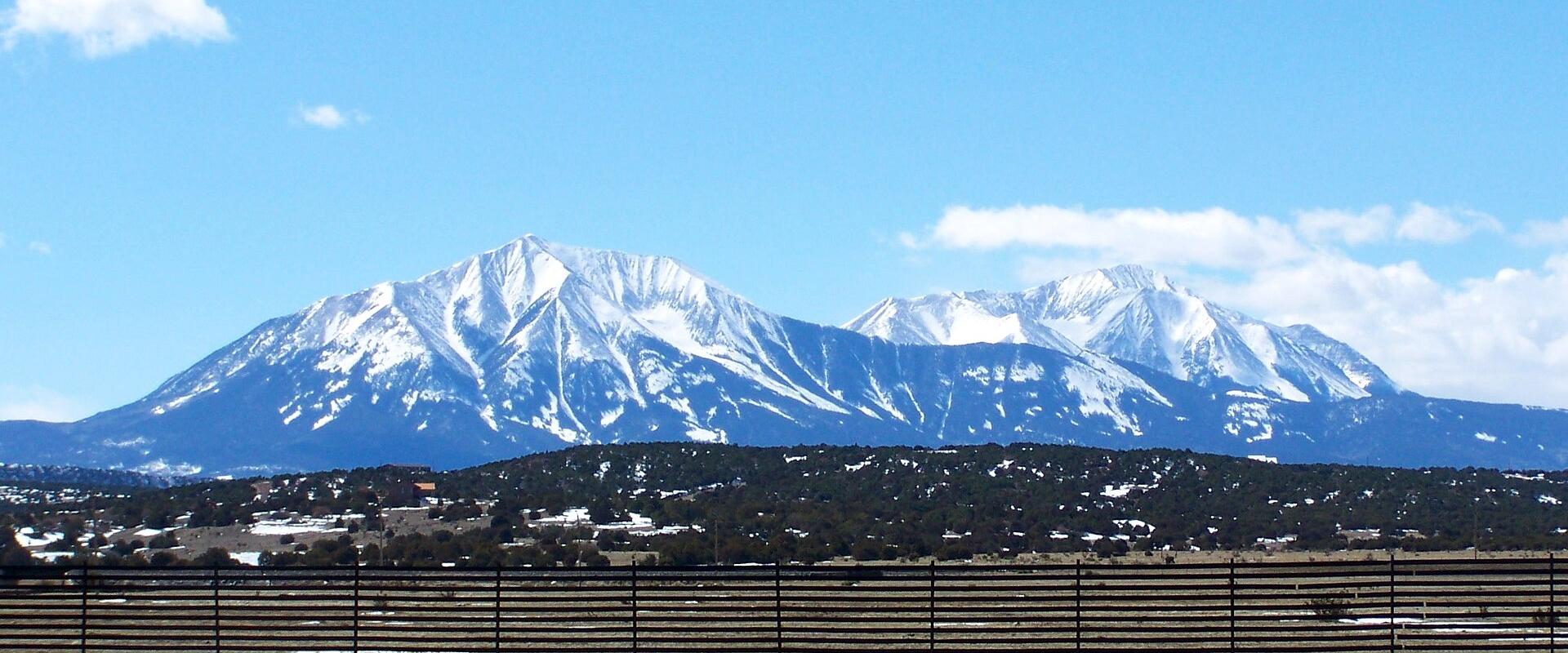
Southeast Colorado
High plains, canyons, and historic rail towns
About Southeast Colorado
Southeast Colorado offers a dramatic transition from the Rocky Mountains to the Great Plains, characterized by vast open skies and rugged geological formations. This region combines rich Western heritage with unique natural wonders, providing travelers with an authentic taste of the American frontier. From the towering cliffs of the Arkansas River Valley to the historic charm of frontier towns, the area delivers a diverse outdoor and cultural experience.
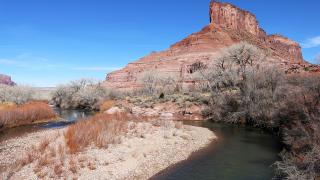
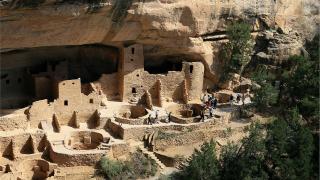
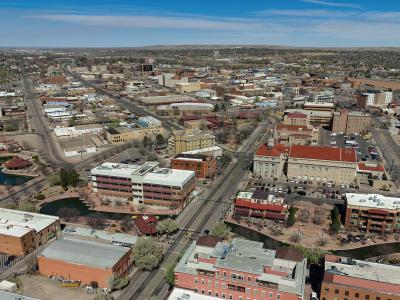
Southeast Colorado occupies the eastern portion of the state, bordering Kansas and Oklahoma. It is defined by the Arkansas River, which carves through the landscape, creating the stunning Royal Gorge and the expansive Arkansas Valley. The region transitions from the high plains to the foothills of the Sangre de Cristo Mountains, offering varied terrain for exploration. Pueblo serves as the region's largest urban center, known for its steelmaking history and the nearby Royal Gorge Bridge & Park, one of the highest suspension bridges in the world. Canon City, located just north of Pueblo, is a gateway to outdoor adventure, featuring the famous cliff dwellings at Magalia Park and the Pikes Peak Cog Railway nearby. Other notable towns include La Junta, a historic railroad hub, and Trinidad, which boasts well-preserved Victorian architecture and the iconic Trinidad Lake State Park. Key attractions include the Royal Gorge Route Railroad, offering scenic train rides through deep canyons, and the Garden of the Gods, although technically just west of the region, it influences the area's tourism. Outdoor enthusiasts can enjoy fishing and rafting on the Arkansas River, hiking in the Comanche National Grassland, or exploring the fossil-rich landscapes of the Great Plains. The region also offers opportunities for bird watching and stargazing due to its low light pollution. Culturally, Southeast Colorado reflects its mining, ranching, and railroad history. Museums in Pueblo and Trinidad highlight the lives of cowboys, miners, and early settlers. The annual Pueblo Chieftain events and local festivals celebrate Western heritage with rodeos and street fairs. The best time to visit is during spring (April to May) and fall (September to October) when temperatures are mild. Summer can be hot, while winter brings snow, particularly in the higher elevations. Travelers can reach the region via Interstate 25, which runs north-south through the area, connecting to Denver and other major cities. Local transportation includes rental cars and regional bus services, making it accessible for independent exploration.Top Destinations in Southeast Colorado
Must-See Attractions
No attractions available for this region yet.
Plan Your Visit to Southeast Colorado
Getting There
Southeast Colorado is easily accessible by car, bus, or train from major cities in Colorado. The region offers excellent transportation infrastructure for visitors.
Best Time to Visit
The ideal time to visit Southeast Colorado depends on your interests. Summer offers warm weather and festivals, while spring and autumn provide pleasant temperatures for sightseeing.
Suggested Duration
We recommend spending at least 3-5 days exploring Southeast Colorado to experience its main attractions, local cuisine, and cultural highlights.
Explore Other Regions
Quick Facts
Book your stay
Ready to Explore Southeast Colorado?
Start planning your adventure to one of Colorado's most captivating regions