History and Cultural Heritage
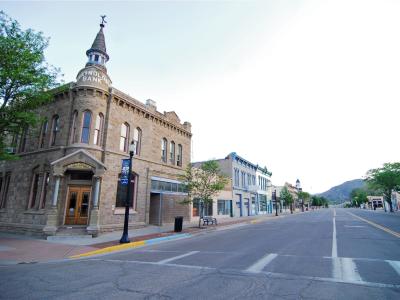
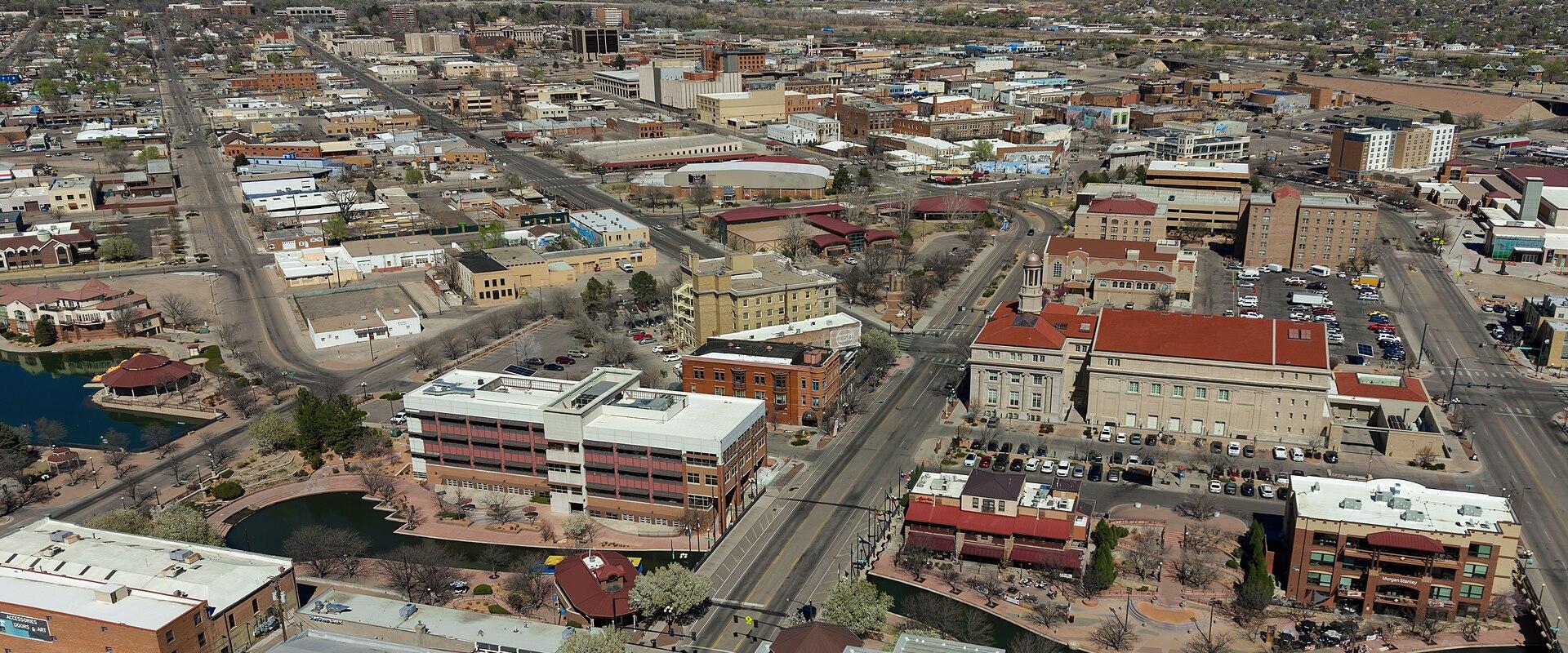
Pueblo, often referred to as the "Steel City," is a community deeply rooted in its industrial heritage. The city’s identity is inextricably linked to the steel industry, which has been the economic backbone of the region since the late 19th century. This industrial heritage is not just a historical footnote but a living part of the local culture, shaping the community’s work ethic and community spirit. The historic downtown area serves as a testament to this legacy, with buildings that reflect the industrial boom of the early 20th century. The city’s history is also marked by its role as a trading post, with the original 1842 Fort Pueblo serving as a historical anchor. Today, the city honors this past through museums and cultural centers that preserve the stories of its early settlers and industrial workers.
Main Attractions
The heart of Pueblo’s cultural scene is the Sangre de Cristo Arts Center, a vibrant hub for creativity and community engagement. This center features multiple galleries showcasing local and regional artists, a children’s museum, and a theater that hosts a variety of performances. The center is a focal point for the arts community, offering a space for both creation and appreciation. Another key attraction is the El Pueblo History Museum, which offers a deep dive into the region’s past. The museum’s exhibits detail the transition from the frontier era to the industrial age, providing context for the city’s development. The historic nature of the site, located on the grounds of the original fort, adds a layer of historical significance to the visitor experience.
Activities and Experiences
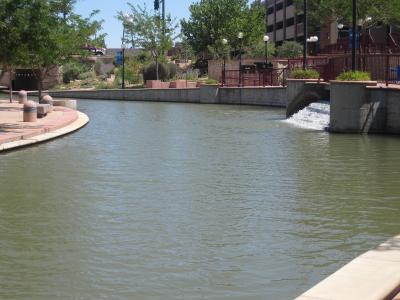
Beyond the cultural institutions, Pueblo offers a range of outdoor activities that take advantage of its natural surroundings. The Arkansas River, which flows through the city, is a central feature of the local landscape. The riverwalk provides a scenic path for walking, jogging, and cycling, offering views of the river and the surrounding city. The river is also a hub for water-based activities, with options for boating, fishing, and kayaking. The nearby Lake Pueblo State Park, located just outside the city, offers additional opportunities for outdoor recreation, including camping, hiking, and boating. The park’s expansive grounds provide a peaceful retreat from the urban environment, allowing visitors to connect with nature.
Getting There
Pueblo is easily accessible by car, located approximately 40 miles south of Denver. The city is connected to the major highway system via Interstate 25, making it a convenient destination for travelers driving from the north or south. For those arriving by air, the closest major airport is in Denver, with regular shuttle and bus services connecting the airport to the city. Public transportation options are limited, but the compact nature of the downtown area makes it easy to navigate on foot or by bicycle. Many visitors choose to rent a car to explore the surrounding areas, including the nearby state parks and rural landscapes.
Best Time to Visit
The best time to visit Pueblo is during the spring and fall months, when the weather is mild and pleasant. Spring offers blooming flowers and comfortable temperatures, while fall provides crisp air and stunning foliage. Summer can be hot, with temperatures often reaching the 90s, so visitors should be prepared for warm weather. Winter can be cold, but the city’s historic charm is enhanced by the snow, creating a picturesque setting. Regardless of the season, Pueblo offers a welcoming atmosphere and a variety of activities to enjoy.
Best time to visit
Mid-April to May and September to October offer comfortable weather for visiting.
What to see in Pueblo
Our picks first.
Pueblo by interest
The same sights, grouped by what you came for.
Did you know?
Checked facts about Pueblo, each with its source.
-
History
After the 1921 flood, Pueblo moved its river
The flood that began on June 3, 1921 was the worst in Pueblo's history, killing between 150 and 250 people and causing more than $25 million in damage. Afterwards engineers reshaped and rerouted the Arkansas River through the city.
Source: Denver Public Library Western History -
History
Pueblo's 1842 trading post was lost beneath the city
Pueblo began as El Pueblo, an adobe trading post built in 1842 on the Arkansas River. The city grew up around its abandoned ruins until it was demolished and its location lost; its excavated site is now part of the El Pueblo History Museum.
Source: History Colorado -
Notable Person
Pueblo once had four living Medal of Honor recipients
In 1993 a congressman entered into the Congressional Record that Pueblo was the only city with four living Medal of Honor recipients from the same hometown, and the city council then adopted the "Home of Heroes" theme. Presenting one of the medals in 1953, President Eisenhower asked if it was "something in the water out there in Pueblo."
Source: Pueblo Home of Heroes Association
Planning a visit to Pueblo
Good to know
- Currency
- USD
- Language
- English