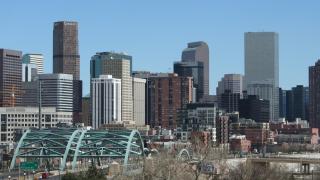
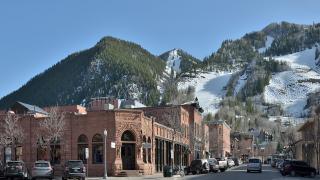
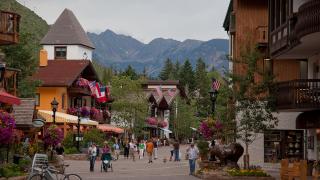
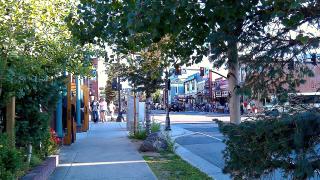
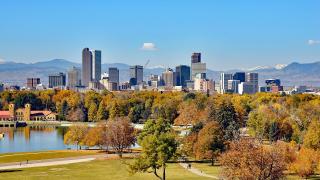
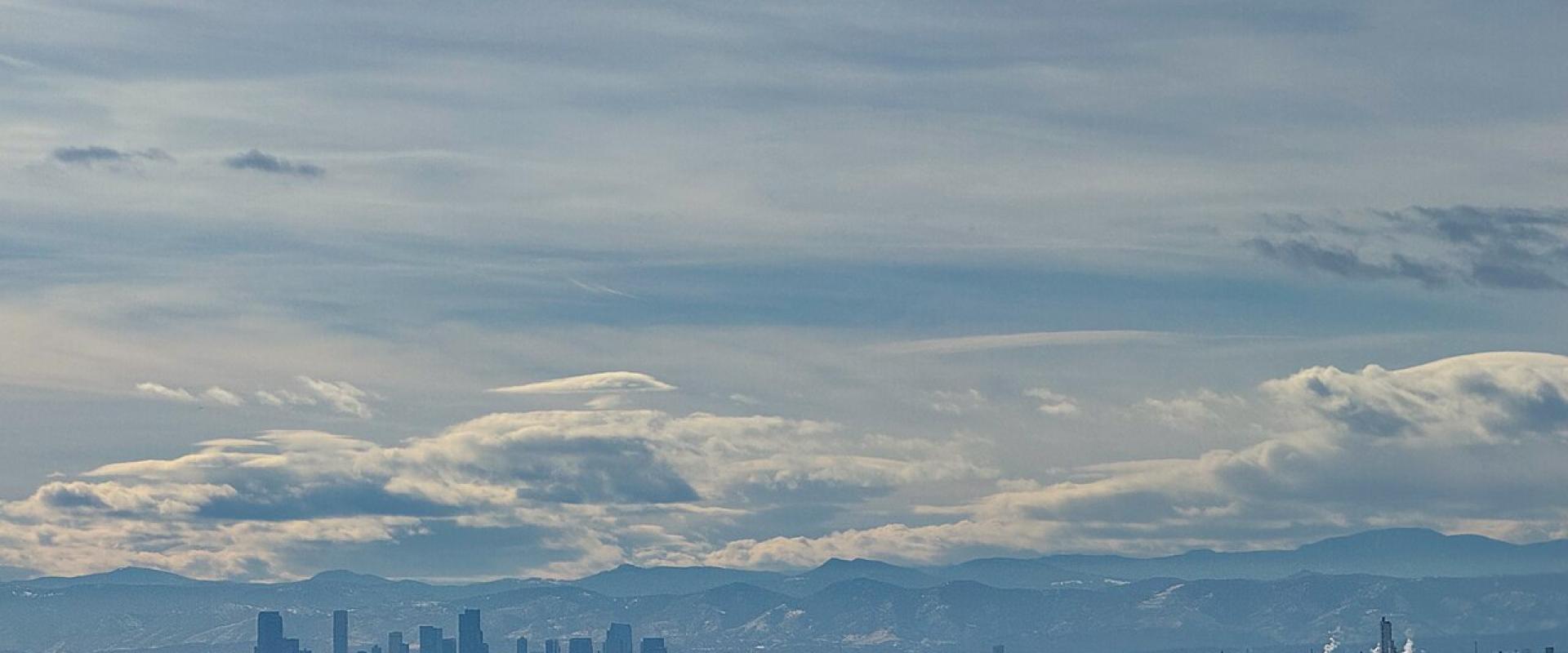
Moving to Colorado mostly means choosing between three very different places. The Front Range cities, from Fort Collins through Denver to Colorado Springs and Pueblo, have most of the jobs. Mountain towns have the scenery but tight, expensive housing. The Western Slope, around Grand Junction, Montrose and Durango, has a drier, slower life. Once you arrive, the paperwork clock starts: by Colorado law, you have 30 days to switch to a Colorado driver's licence and 90 days to register your vehicle.
Where to live: three Colorados
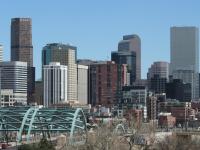
The Front Range. Most Coloradans live along the I-25 corridor east of the mountains. Denver and its suburbs (Aurora, Lakewood, Arvada, Westminster, Littleton and others) hold most of the jobs, the airport and the big hospitals, sports and culture. Boulder, Fort Collins and Colorado Springs each have their own character and economies: university and tech, university and agriculture, and military and defence respectively. Pueblo, further south, is the region's steel town, with a smaller-city pace. Commutes along I-25 and the US 36 corridor can be heavy, so live near your work if you can.
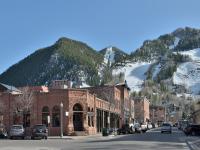
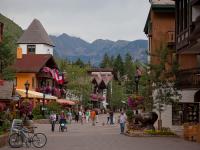
Mountain towns. Places like Breckenridge, Frisco, Steamboat Springs, Salida, Buena Vista, Crested Butte, Glenwood Springs and the Vail and Aspen valleys are what draw many people to Colorado. They're also the hardest places to live: housing is scarce and priced for second-home buyers and short-term rentals, jobs lean towards tourism, and winters are long. Many workers commute from less expensive towns down-valley. If you can work remotely, a mountain town is realistic. Otherwise, line up a job and housing before you move.
The Western Slope. West of the Continental Divide, Grand Junction, Palisade, Montrose, Delta and Durango have a desert-and-canyon climate, orchards and vineyards, and some of the state's best mountain biking and river running. Healthcare and retail hubs are fewer and farther apart than on the Front Range, and Denver is a long drive over the mountains (or a short flight).
Housing realities
Colorado housing is expensive by national standards. The U.S. Census Bureau's American Community Survey puts the state's median value of owner-occupied homes at $539,400 and its median gross rent at $1,761 a month (2020–2024 estimates). Resort counties run far higher, and rural plains and southern towns much lower.
Practical tips:
- Rent first. Spend a lease in a neighbourhood before you buy. Microclimates, commutes and wildfire risk vary a lot from one valley to the next.
- Check insurance before you buy. Hail and wildfire both affect premiums and availability (see below). Get quotes during your inspection period, not after closing.
- HOAs and metro districts. Many newer Front Range subdivisions add homeowners' association fees and special district taxes on top of the mortgage. Ask for the full annual cost.
- Short-term rental rules. Many mountain towns have restricted short-term rentals. Don't buy expecting to cover your mortgage with Airbnb income without checking local licensing rules.
Paperwork: licence, registration, taxes
- Driver's licence: a valid licence from another state lets you drive for 30 days after becoming a Colorado resident. After that, you need a Colorado licence. Book a DMV appointment as soon as you have proof of your new address.
- Vehicle registration: you must register your vehicle within 90 days of becoming a resident. Registration goes through your county motor vehicle office, not the state DMV. Some Front Range vehicles need an emissions test first. Air Care Colorado runs the testing programme, so check whether your address and vehicle need one.
- State income tax: Colorado has a flat income tax. The rate was 4.4% for tax year 2025 (4.25% for 2024). It changes year to year when the state's TABOR revenue limits trigger temporary cuts, so check the Department of Revenue for the year you're filing.
- Voting, hunting and fishing licences, and in-state tuition each have their own residency rules. In-state college tuition has its own waiting period, so check with the school before you count on it.
Climate and altitude
Denver is the "Mile High City", at 5,280 feet, and many mountain towns sit above 8,000 or 9,000 feet. In your first weeks, drink more water than you think you need, go easy on alcohol and hard exercise, and expect to sleep worse at high elevations. The air is dry: lip balm, lotion and a humidifier help. UV is strong, so wear sunscreen year-round.
Front Range weather changes fast. Warm, sunny days in winter are common, but heavy spring snowstorms and sudden temperature drops are part of the deal. Mountain towns get long, cold winters, and you'll want proper winter tyres if you'll be driving the passes.
Hail and wildfire: plan for them
Hail. The Rocky Mountain Insurance Association says Colorado's damaging hail season runs from mid-April to mid-September, and that the Front Range sits in "Hail Alley", with the highest frequency of large hail in North America. Hailstorms have caused more than $5 billion in insured damage in Colorado over the last 10 years. The costliest was on May 8, 2017, in the Denver metro area: $2.3 billion in insured losses at the time. What this means for you:
- Carry comprehensive auto coverage. Hail damage to cars isn't covered under liability-only policies.
- A garage or covered parking space is worth paying for.
- Expect hail to be a big part of your homeowners' premium, and ask about impact-resistant roofing.
Wildfire. Fire risk isn't limited to remote forests or summer. The Marshall Fire on December 30, 2021, swept through the Town of Superior, the City of Louisville and unincorporated Boulder County. It destroyed 1,109 homes, according to Boulder County's November 2025 count, plus more than 30 commercial structures. If you're buying in the foothills, the mountains or the grassland edges of the Front Range:
- Ask about defensible space, roofing and siding materials, and evacuation routes.
- Sign up for your county's emergency alerts the day you move in.
- Get insurance quotes before you commit, because some areas have limited options.
Students and universities
Colorado's main universities are the University of Colorado Boulder, Colorado State University in Fort Collins, the University of Denver, the Colorado School of Mines in Golden, Colorado College in Colorado Springs, Colorado Mesa University in Grand Junction and Fort Lewis College in Durango. International students arrive on a student visa sponsored by their school, and the school's international office handles the paperwork. Off-campus housing in Boulder and Fort Collins is competitive, so start your search early.
A first-month checklist
- Change your driver's licence within 30 days.
- Register vehicles within 90 days, after any emissions test.
- Update your address for taxes, insurance and voting.
- Sign up for county emergency alerts.
- Get winter tyres if you'll drive into the mountains.
- Buy a state parks pass, and learn your local trails.