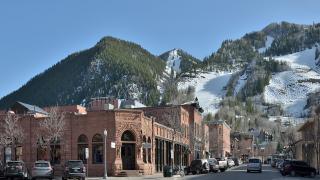
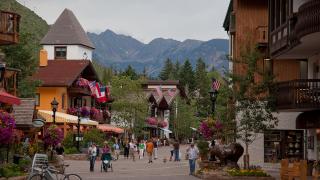
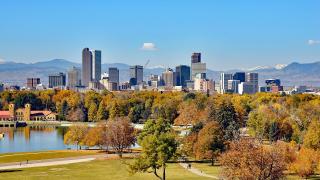
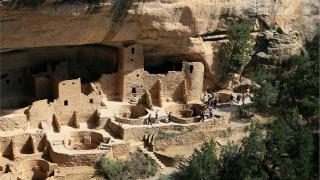
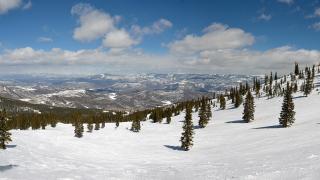
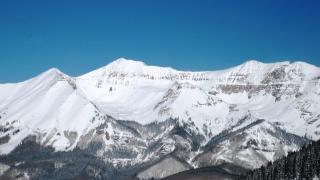
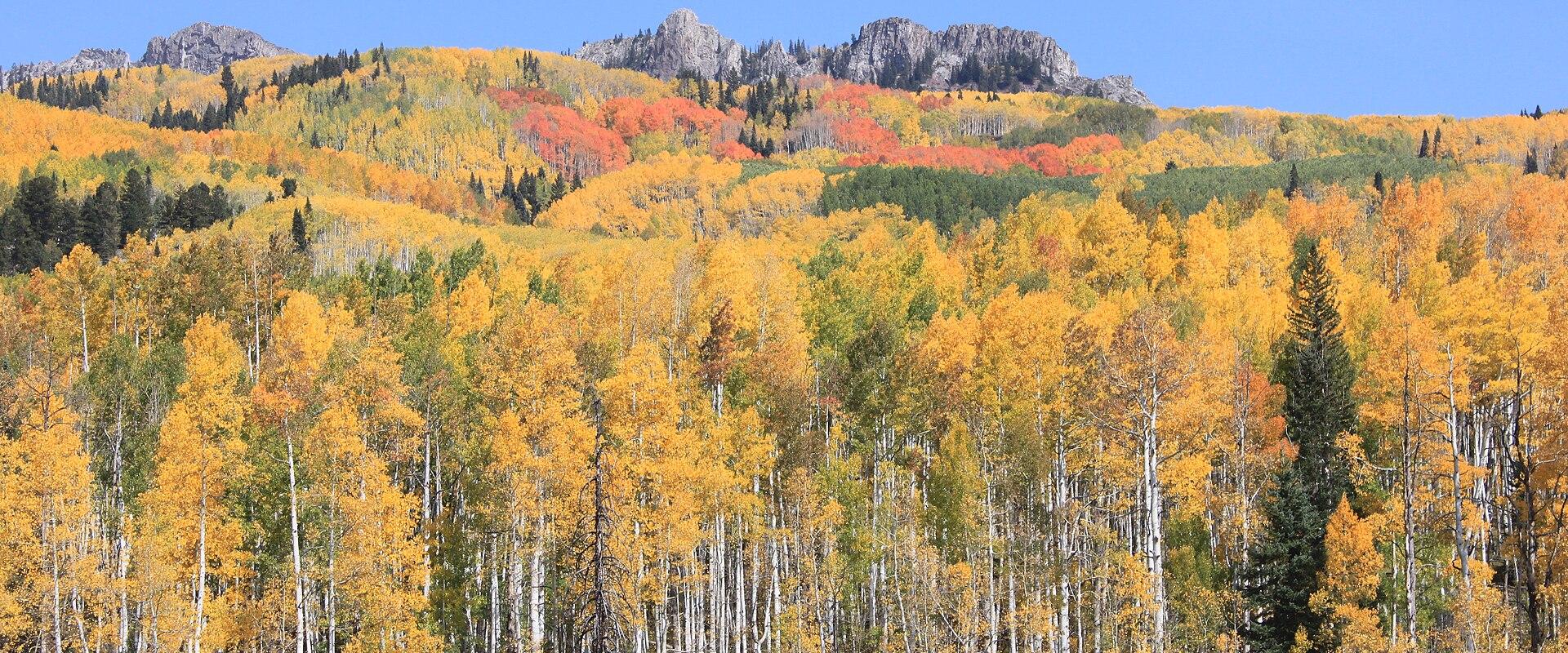
Colorado changes a lot with the seasons, and the high country follows its own timetable. June to September is best for hiking and sightseeing, mid-September to early October for aspens, and December to March for skiing. Whenever you come, plan around the altitude.
Altitude in every season
The air is thin and the sun is strong at height. Take it easy for your first day or two, drink plenty of water, wear high-factor sunscreen, and carry layers, as snow can fall high up in any month.
Summer: peak season and afternoon storms
July and August are the busiest months, so book lodging and campsites well ahead. Mountain days are often around 70–80°F, with cool nights, while Denver and the lower towns can go over 90°F.
Storms are the main hazard. Monsoon moisture typically arrives around July, and afternoon thunderstorms bring lightning and sometimes flash floods. Start hikes early and be below the tree line before clouds build.
Rocky Mountain National Park uses timed-entry reservations: in 2026 they ran from May 22 to October 18, with dates varying by area. High alpine meadows flower in summer.
Autumn: aspens and early snow
September is warm by day and crisp at night, and crowds thin after Labor Day, though weekends stay busy. Aspens usually peak from mid-September to early October, starting in the northern mountains and later in the San Juans, so book mountain towns early.
Early snow can close high passes by October. Trail Ridge Road in Rocky Mountain National Park normally closes from mid-October.
Winter: skiing and the Traction Law
December to March is ski season. Pack insulated layers and waterproof boots.
Driving is the part to plan most carefully:
- The Traction Law applies on I-70 from Morrison to Dotsero from September 1 to May 31. You need 3/16-inch tread on tires marked M+S or with the mountain-snowflake symbol, or chains or an approved device. CDOT can extend it to any state highway. The fine starts at $100 plus a $33 surcharge, and it's higher if you block a lane.
- Four-wheel or all-wheel drive isn't required, but CDOT recommends it.
- The Chain Law is the last step before a highway closes, used in severe storms.
- I-70 closes in storms, so check CDOT's reports and allow extra time, especially on ski weekends.
Rental cars may not meet the rule, so ask about the tires when you book.
Spring: mud and late snow
April and May are unsettled. Denver can reach 70°F while nights in the mountains drop near freezing, and snow stays on the ground above about 10,000 feet. Sudden snowstorms still happen. Paved roads are generally clear, but mud season can make back roads and trails impassable, so check before you go. Crowds are small, and this suits people who value quiet over reliable weather.