
History
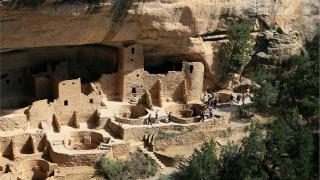
The history of Pagosa Springs is deeply rooted in the geothermal features that define the region. The area was first inhabited by the Ancestral Puebloans, who recognized the therapeutic properties of the natural hot springs. Later, Anglo-American settlers, including miners and homesteaders, were drawn to the area by the promise of natural resources and the restorative power of the thermal waters. The town’s development was closely tied to these natural features, with the hot springs becoming a central part of the local identity. Today, the historic downtown district preserves this heritage, offering a glimpse into the past through its architecture and local museums. The blend of indigenous history, frontier settlement, and the enduring presence of the hot springs creates a unique cultural tapestry that defines the town’s character.
Main Attractions
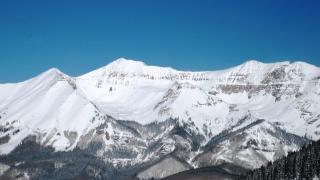
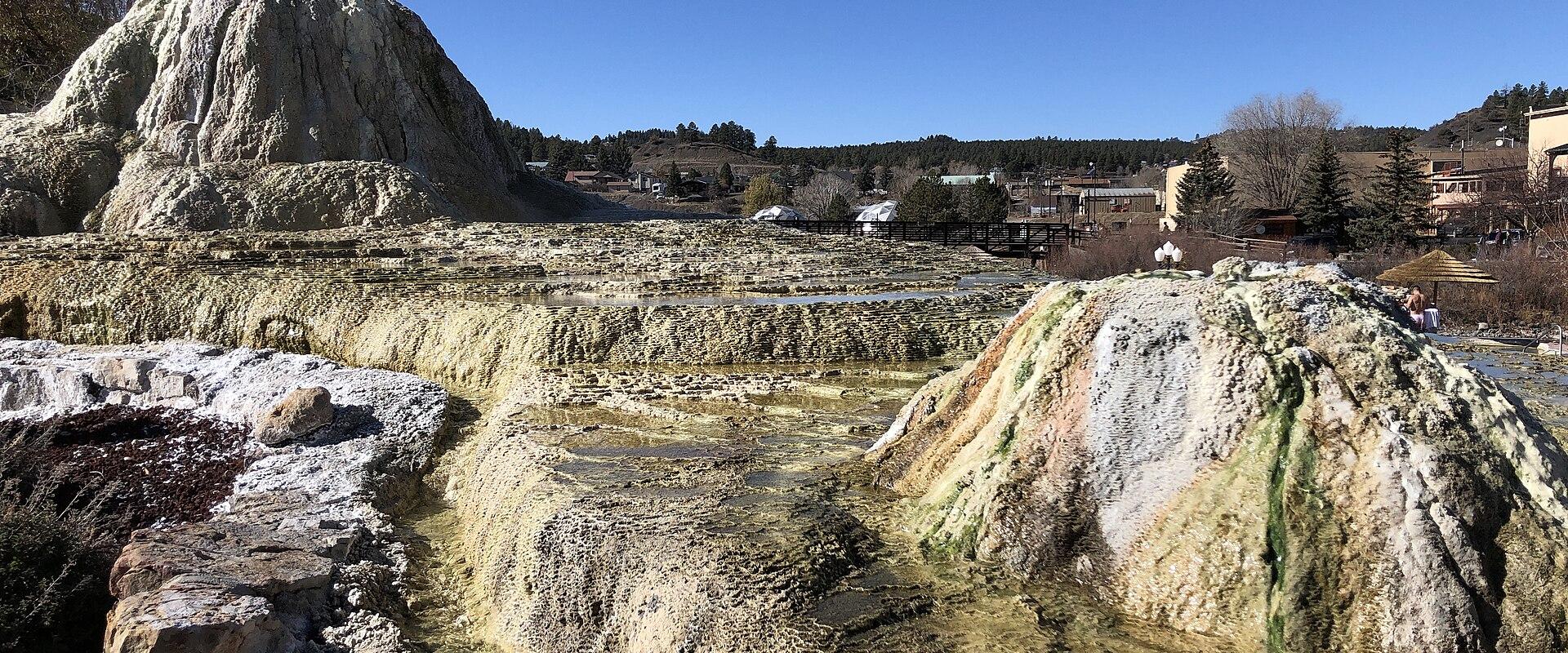
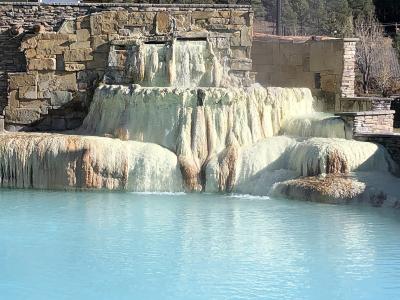
The crown jewel of Pagosa Springs is the Pagosa Springs Hot Springs, a natural wonder that has drawn visitors for over a century. The thermal waters, rich in minerals, offer a restorative experience that is both relaxing and rejuvenating. The downtown area is home to several historic buildings, including the historic hotel, which stands as a testament to the town’s early development. The area is also known for its beautiful natural surroundings, with the San Juan Mountains providing a stunning backdrop. Visitors can explore the local history through guided tours, visit the local museums, or simply enjoy the serene atmosphere of the town. The combination of natural beauty and historical significance creates a unique experience for visitors.
Activities
Pagosa Springs offers a wide range of activities for visitors of all ages. For those seeking adventure, the area offers excellent opportunities for hiking, fishing, and horseback riding. The surrounding mountains provide numerous trails for hiking and mountain biking, with options for all skill levels. For a more relaxed experience, visitors can enjoy the hot springs, take a scenic drive, or explore the local art galleries. The area is also known for its fishing, with the San Juan River offering excellent opportunities for fly fishing. Whether you are an adventure seeker or a relaxation enthusiast, there is something for everyone in Pagosa Springs.
Getting There
Pagosa Springs is located in the southern part of Colorado, accessible via US Highway 160. The town is approximately 200 miles from Denver, with a drive time of approximately 4 hours. The nearest major airport is in Durango, which is approximately 30 miles from Pagosa Springs. From Durango, visitors can rent a car or take a shuttle to reach Pagosa Springs. The drive from Durango is short and scenic, passing through the beautiful San Juan Mountains. Public transportation options are limited, so renting a car is the most convenient way to explore the area.
Best Time to Visit
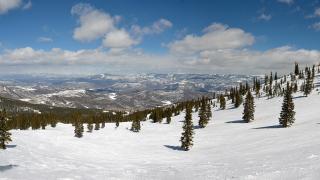
The best time to visit Pagosa Springs is during the summer months, from June to September, when the weather is warm and sunny. The summer months offer ideal conditions for outdoor activities, such as hiking, fishing, and rafting. The weather is generally warm and dry, making it perfect for exploring the outdoors. In the fall, the area is also beautiful, with the leaves changing color and the weather remaining mild. Winter months can be cold and snowy, but the area offers opportunities for winter sports, such as skiing and snowshoeing. Regardless of the season, Pagosa Springs offers a unique and memorable experience for visitors.
Best time to visit
May through October offers warm weather, with fall providing fewer crowds and comfortable temperatures.
What to see in Pagosa Springs
Our picks first.
Pagosa Springs by interest
The same sights, grouped by what you came for.
Did you know?
Checked facts about Pagosa Springs, each with its source.
-
Name Origin
'Pagosa' is a Ute word for healing water
The town takes its name from the Ute word 'Pagosa', meaning 'healing' or 'boiling water', after the hot springs that Ute, Navajo and other tribes frequented for centuries.
Source: Own Pagosa (citing Archuleta County) -
Notable Person
Blacklisted physicist Frank Oppenheimer ranched cattle here
Forced out of physics in 1949 by House Un-American Activities Committee harassment, Manhattan Project physicist Frank Oppenheimer spent the next ten years as a cattle rancher in Pagosa Springs. In 1957 he became the science teacher at the local high school, and he later founded San Francisco's Exploratorium.
Source: Exploratorium
Planning a visit to Pagosa Springs
Itineraries that include Pagosa Springs
Good to know
- Currency
- USD
- Language
- English
Quick Facts
Book your stay
Questions people ask
More places in San Luis Valley
San Luis Valley
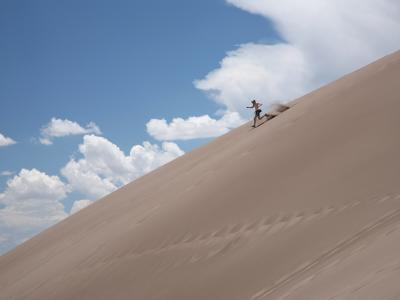
Mosca
Valley community beside Great Sand Dunes National Park
San Luis Valley
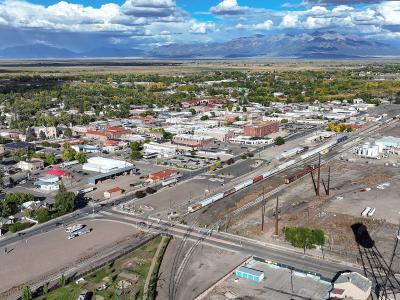
Alamosa
Gateway to high desert in the San Luis Valley
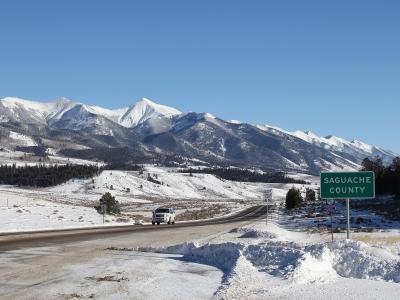
San Luis Valley
Saguache
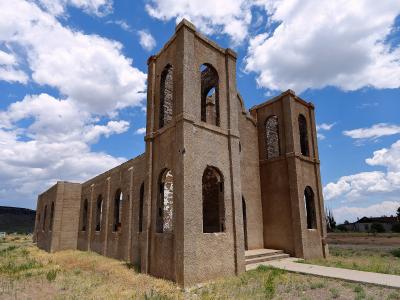
Quiet county seat on the northern edge of the San Luis Valley
San Luis Valley
San Luis
Oldest town in Colorado, gateway to Sangre de Cristo