History and Cultural Heritage
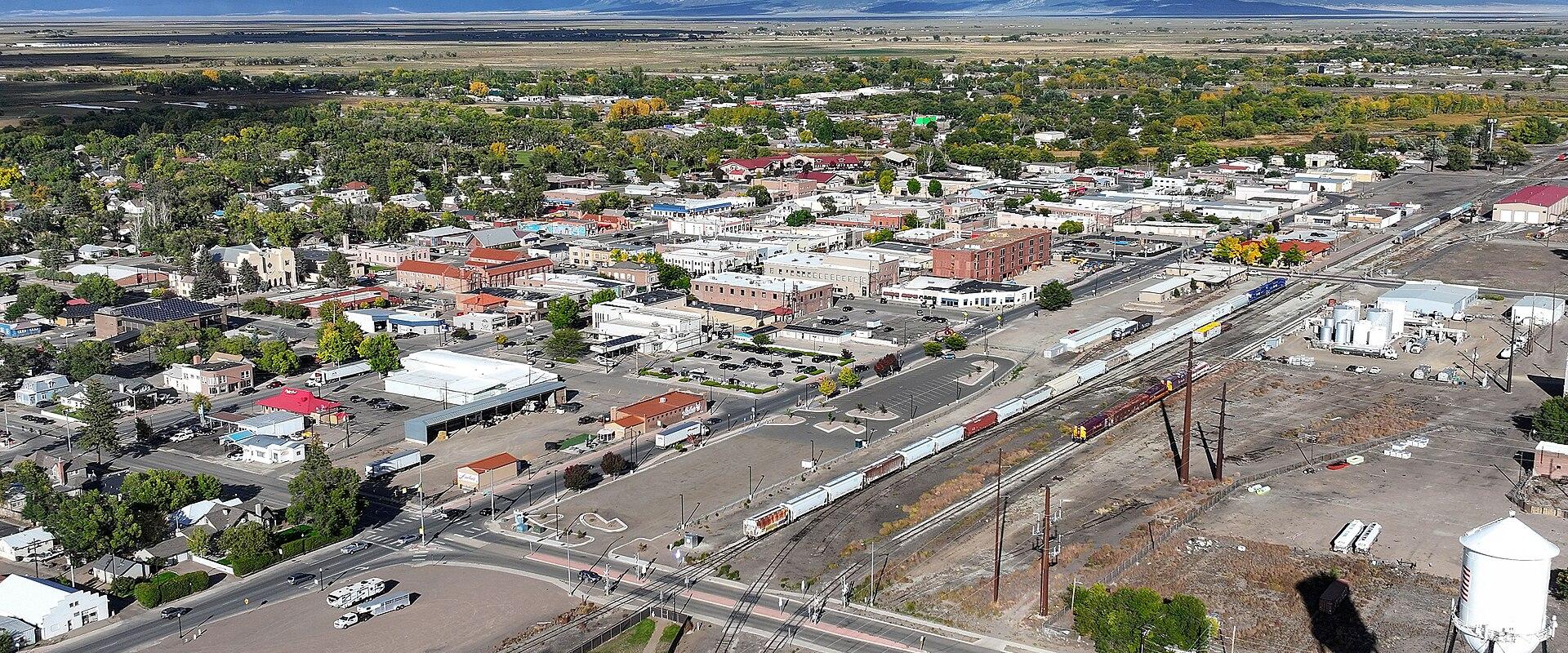
Alamosa is deeply rooted in the agricultural and mining history of the San Luis Valley. As the county seat of Alamosa County, the city has long served as a commercial and cultural hub for the region. The local heritage is a vibrant tapestry woven from Native American, Hispanic, and Anglo-Saxon influences, reflecting the diverse groups that have settled in the high desert over the last century. This cultural diversity is visible in the local architecture, particularly in the historic downtown district, and is celebrated in local festivals that honor the area’s unique heritage. The presence of historic landmarks, such as the oldest churches in the region, serves as a reminder of the early settlers who shaped the community’s identity.
Main Attractions
The primary draw for visitors is the proximity to Great Sand Dunes National Park, located just to the south. The towering dunes, which are the highest in North America, offer a striking contrast to the surrounding high desert landscape. Within the city, the Rio Grande River Walk provides a serene escape, offering a flat, paved trail that follows the river’s edge. This path is ideal for walking, jogging, or cycling, offering views of the local wildlife, including ducks and geese. The Blanca Wetlands, located nearby, offer a different perspective, with marshy areas and views of the majestic Mount Blanca. These natural features provide a peaceful backdrop to the more rugged landscapes found in the surrounding mountains.
Activities and Experiences
Alamosa is a hub for outdoor enthusiasts, offering a wide range of activities suitable for all skill levels. The Rio Grande River is a popular spot for fishing, with opportunities to catch trout in the clear, cold waters. The surrounding area is also ideal for hiking and biking, with numerous trails that wind through the high desert landscape. For those interested in more relaxed activities, the local hot springs offer a chance to relax and rejuvenate. The community is known for its friendly atmosphere, with local businesses and restaurants often featuring locally sourced ingredients. Visitors can enjoy traditional dishes that reflect the region’s cultural heritage, providing a taste of the local way of life.
Getting There
Alamosa is easily accessible by car, located approximately 100 miles from Denver. The city is connected to the major highway system via U.S. Highway 285, which runs north-s through the region. For those traveling from the north, the route is straightforward, following the highway south through the San Luis Valley. Public transportation options are limited, with local bus services connecting the city to nearby towns. However, the compact nature of the downtown area makes it easy to explore on foot or by bicycle. Many visitors choose to rent a car to explore the surrounding areas, including the Great Sand Dunes and the San Juan Mountains.
Best Time to Visit
The best time to visit Alamosa is during the spring and fall months, when the weather is mild and pleasant. Spring offers blooming flowers and comfortable temperatures, while fall provides crisp air and stunning foliage. Summer can be warm, with temperatures often reaching the 80s, so visitors should be prepared for warm weather. Winter can be cold, with snow and cold temperatures, but the city’s historic charm is enhanced by the snow. Regardless of the season, Alamosa offers a welcoming atmosphere and a variety of activities to enjoy.
Best time to visit
May through September offers comfortable weather for outdoor exploration.
What to see in Alamosa
Our picks first.
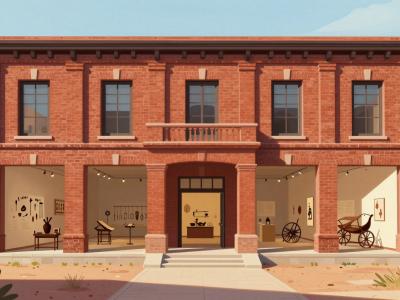
San Luis Valley Museum and Heritage Center
From $4 Cultural Heritage
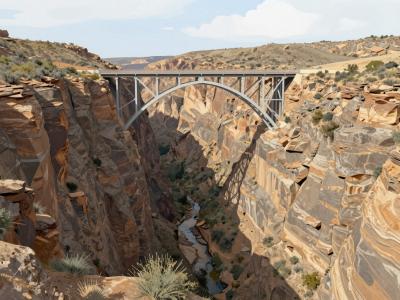
Rio Grande Gorge
Natural Landscapes · Recreation & Outdoors
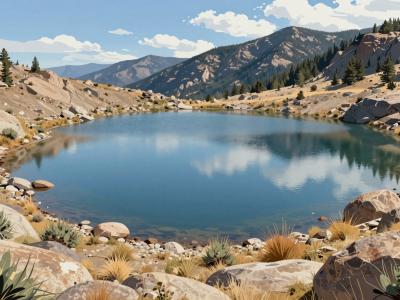
Culebra Pointe Park Lake
Natural Landscapes · Recreation & Outdoors
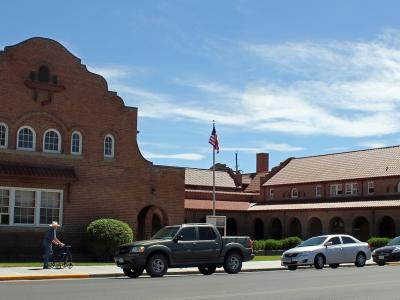
Alamosa County Courthouse
Cultural Heritage
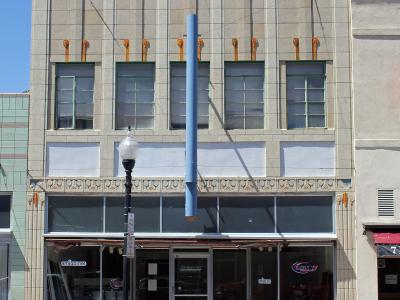
Alamosa Historic District
Cultural Heritage · Historic Districts
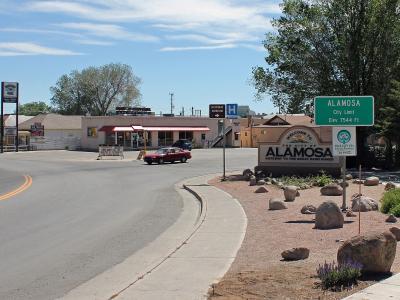
Alamosa Art Center
Free Art Galleries · Cultural Centers
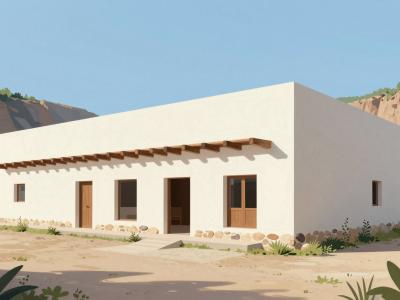
Rio Grande State Park Visitor Center
Cultural Heritage · Recreation & Outdoors
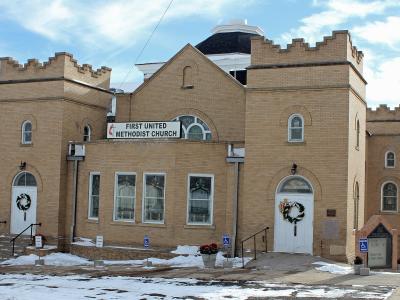
First United Methodist Church
Free Cultural Heritage · Religious Sites
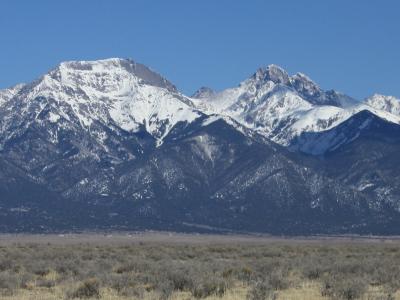
Sangre de Cristo Range
Natural Landscapes · Mountains
Alamosa by interest
The same sights, grouped by what you came for.
Did you know?
Checked facts about Alamosa, each with its source.
-
History
Alamosa's first buildings arrived whole on railroad flatcars
When Alamosa became a Denver and Rio Grande rail center in June 1878, many of its first buildings were brought in whole on railroad flatcars. Local legend says rail crews ate breakfast in a building at Garland City and dinner in the same building in Alamosa that night. The town was incorporated on 30 August 1878.
Source: City of Alamosa -
Notable Person
Adams State was Billy Adams's only bill
Adams State, founded in Alamosa in 1921 as a teachers' college, is named for Alamosa legislator Billy Adams. According to the Colorado State Archives, the bill that founded it was the only bill he introduced in about four decades as a legislator before he became governor.
Source: Colorado State Publications Library -
Record
Alamosa was America's coldest spot on 3 January 2013
On 3 January 2013 Alamosa recorded -33 F (-36 C), the coldest temperature anywhere in the United States that day, Alaska included.
Source: CIMSS, University of Wisconsin-Madison
Planning a visit to Alamosa
Itineraries that include Alamosa
Good to know
- Currency
- USD
- Language
- English
Quick Facts
Book your stay
Questions people ask
More places in San Luis Valley
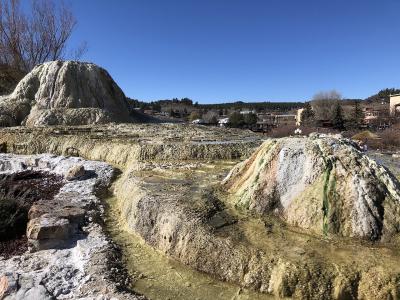
San Luis Valley
Pagosa Springs
Hot springs town in the San Juan Mountains
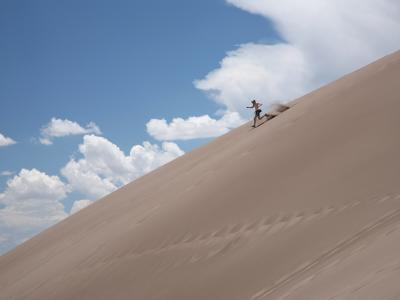
San Luis Valley
Mosca
Valley community beside Great Sand Dunes National Park
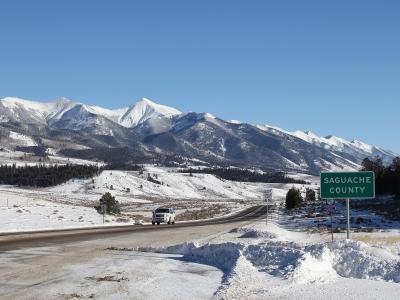
San Luis Valley
Saguache
Quiet county seat on the northern edge of the San Luis Valley
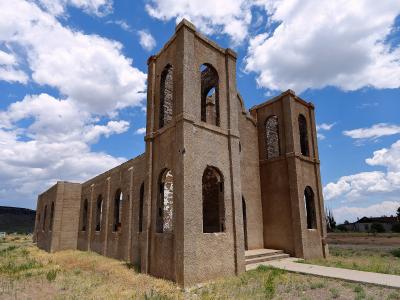
San Luis Valley
San Luis
Oldest town in Colorado, gateway to Sangre de Cristo