
Rio Grande Gorge
- Where
- Alamosa, San Luis Valley
- Directions
- Directions
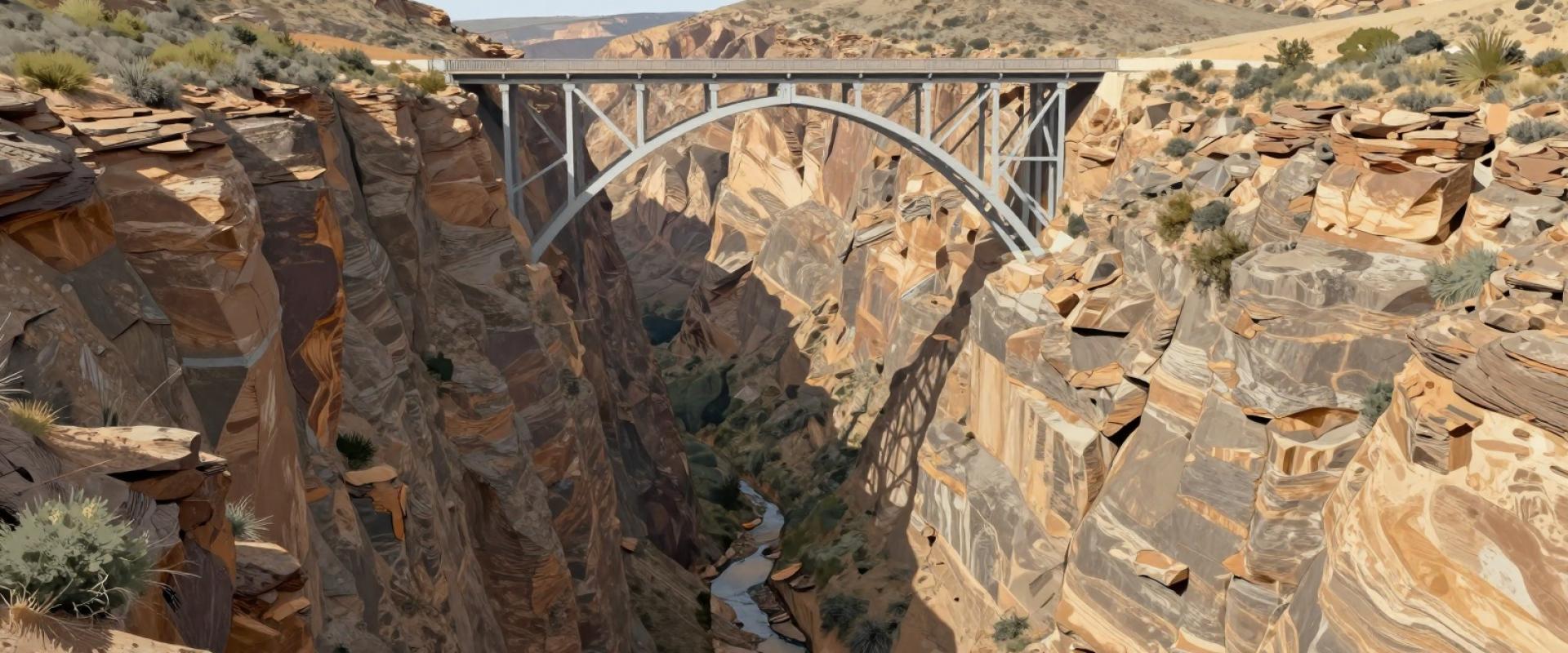
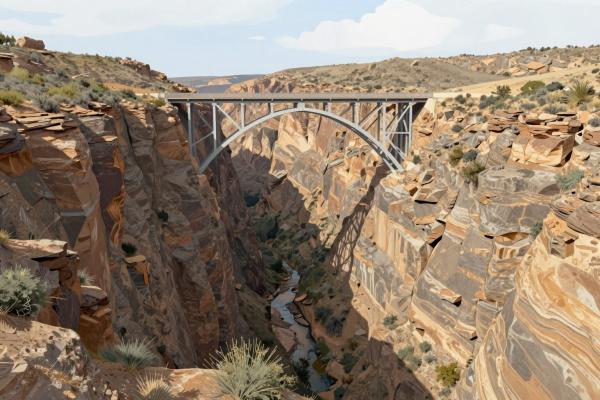
The Rio Grande Gorge is best known in northern New Mexico, near Taos, where the river has cut a steep canyon through the basalt of the Taos Plateau. The High Bridge there crosses the gorge some 650 feet above the water. The Colorado section of the river is a far gentler affair, and the stretch near Alamosa is best seen as an introduction to how the Rio Grande leaves the San Luis Valley and heads for the deep canyon to the south.
In Colorado, the river crosses the flat floor of the valley after winding past Alamosa, then runs south across ranch and wildlife country to the New Mexico state line. Along this reach it is lined with cottonwoods and willows rather than cliffs, and it has been protected for habitat and recreation under the name Rio Grande Natural Area. Only near the state line does the landscape begin to change, as the river drops into the volcanic terrain that deepens into the famous gorge across the border. The historic Lobatos Bridge, an iron truss bridge from the early 1890s that crosses the river near the village of Lobatos close to the state line, is one of the few man-made landmarks along that stretch.
Visitors should be clear about what they will find. The dramatic cliffs, rafting stretches and overlooks belong to New Mexico, so a true gorge experience means a drive south into the Taos area. Travelers should plan accordingly. In Colorado, what the river offers is a quiet, natural corridor suited to birdwatching, short walks and photography, with the Sangre de Cristo Range filling the eastern skyline. Roads in this area are often unpaved and may be rough after rain or snowmelt, and facilities are scarce, so bring water and fuel.
Wildlife is a draw. Waterfowl, herons and raptors use the riparian corridor, and the valley hosts sandhill cranes in spring. Peregrine falcons are among the birds associated with the canyon cliffs farther south.
The river suits travelers who enjoy natural history, fishing and quiet drives, and it pairs well with Great Sand Dunes National Park and Preserve and the town of Alamosa. Seasonal water levels vary a good deal, with the highest flows in late spring from snowmelt, so conditions are worth checking before any outing.
More photos coming soon


Questions people ask
Quick Facts
Best Time to Visit
May through September offers comfortable weather for outdoor exploration.