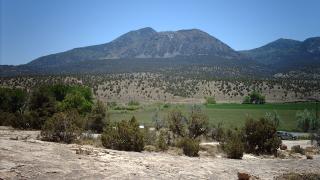
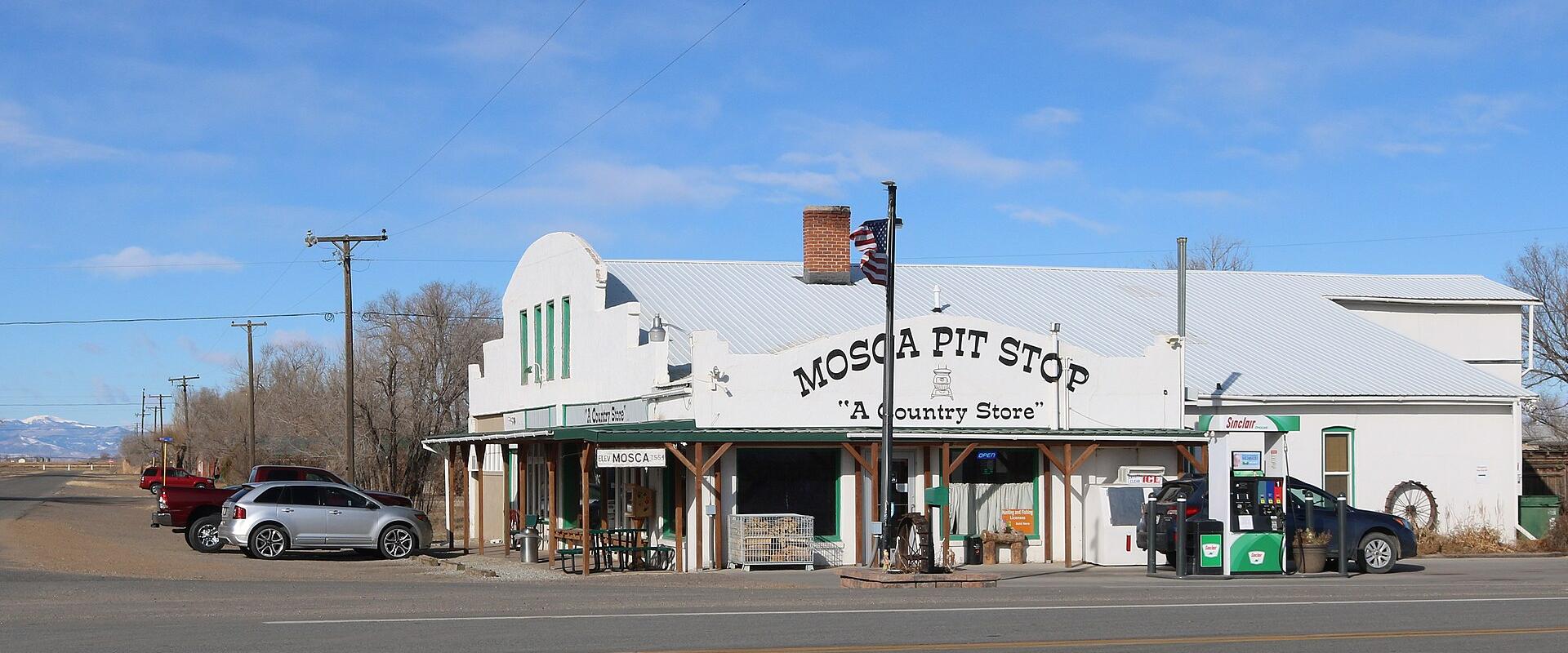
Mosca sits on the floor of the San Luis Valley, roughly 2,300 metres above sea level, on Highway 17 north of Alamosa. The community is small: the census counts around a thousand people in the surrounding area, and its post office carries the ZIP code 81146. The name is Spanish for fly. Most visitors treat Mosca as a gateway and the nearest place to find a bed, a snack or fuel before turning toward the mountains, but the valley around it has a strong character of its own, with irrigated fields, centre-pivot circles, cattle and long views to the Sangre de Cristo Range.
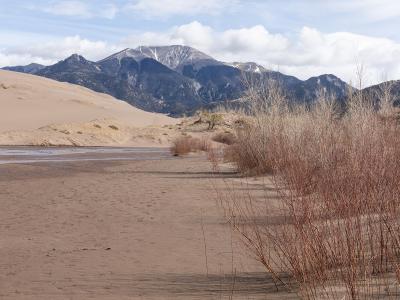
The most famous sight here is Great Sand Dunes National Park and Preserve. The dunes formed as wind carried sand from the valley floor toward the mountains and dropped it where the air currents slowed against the Sangre de Cristo foothills. Over thousands of years the sand has built up into the tallest dunes in North America. Star Dune is the highest, at around 230 metres, and the dune field covers some 78 square kilometres. The site was made a national monument in 1932 and became a national park and preserve in 2004.
The dunes are the centre of a larger and more varied park. Behind them rise forested slopes, alpine lakes and peaks above 4,000 metres, and the preserve to the north protects grassland and wetlands. In late spring and early summer, snowmelt feeds Medano Creek, which runs in a shallow braided stream along the base of the main dunes. The creek flows in pulses, called surge flow, creating small waves that visitors splash through, and it is the signature seasonal experience of the park; the flow is usually best from late May into June and often dries up by midsummer.
Climbing the dunes is the main activity. The sand is deep and the slope steep, so even a short walk is tiring at this altitude, and the high dunes take hours to reach from the parking area. Sand sledding and sandboarding are popular, with equipment available for rent from outfitters near the park entrance; ordinary snow sleds do not work well. On summer afternoons the surface of the sand can become scalding hot, so wear shoes and time the climb for morning or evening. Wind is frequent, bringing blowing sand, so bring sunglasses and a scarf.
Hiking beyond the dunes is rewarding. Trails climb into the foothills and the forest, such as the route to Mosca Pass, which follows an old wagon road that once connected the valley with the plains, and routes along Sand Creek. The primitive Medano Pass Road needs a high-clearance four-wheel-drive vehicle and some caution crossing sandy stretches and creeks. Camping is available in the park at Pinon Flats, which fills up in summer, and in the backcountry with a permit.
In 2019 the park was designated an International Dark Sky Park, and the night views justify a stay. With the high altitude, dry air and distance from cities, the Milky Way is clear on moonless nights, and rangers offer evening programs in the season.
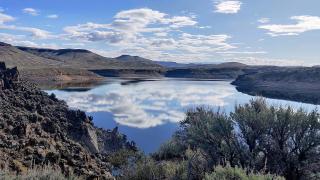
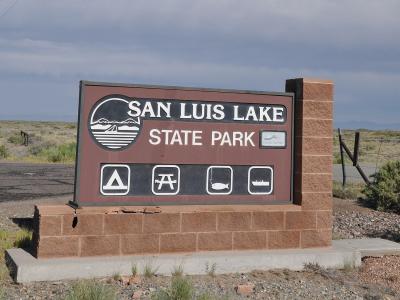
San Luis State Park lies west of the dunes, in the southern part of the same area, and is easy to combine with a visit to the national park. The park surrounds San Luis Lake, a broad shallow body of water set in wetland and dry sand, and offers a campground, a swimming beach in summer, fishing and boating, and trails over the sandy flats. The wetland is a good place for birdwatching, especially during spring and autumn migration, when ducks, geese and shorebirds use the water. The landscape is open, so bring water and sun protection.
Other nearby diversions include Zapata Falls, a short hike to a waterfall in a rock cleft in the mountains south of the dunes, and the town of Alamosa, about thirty kilometres south, with restaurants, hotels, a museum and the Alamosa National Wildlife Refuge. The valley also has hot springs and wetlands that attract sandhill cranes in spring.
The best months are May through June, when the creek runs and the temperatures are mild, and September to October, when the days are cooler and crowds thin. July and August bring heat on the sand and afternoon thunderstorms. Winters are cold and quiet, and the dunes under snow offer a quiet view of their own.
By road, Mosca is about three and a half hours from Colorado Springs and a little over four from Denver. Alamosa has a larger range of lodging and dining, and many visitors make it their base for the park.
Best time to visit
Late May to June for Medano Creek flow and mild dune days; September and October for cooler weather and fewer people.
What to see in Mosca
Our picks first.
Mosca by interest
The same sights, grouped by what you came for.
Planning a visit to Mosca
Good to know
- Currency
- USD
- Language
- English
Quick Facts
Book your stay
Questions people ask
More places in San Luis Valley
San Luis Valley
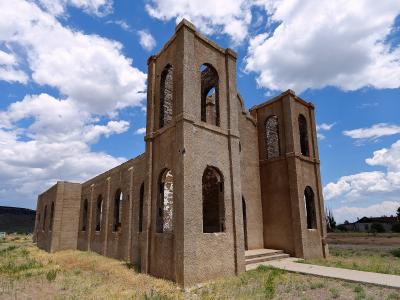
San Luis
Oldest town in Colorado, gateway to Sangre de Cristo
San Luis Valley
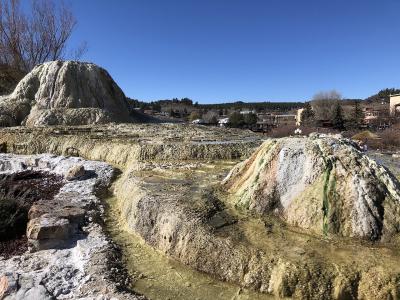
Pagosa Springs
Hot springs town in the San Juan Mountains
San Luis Valley
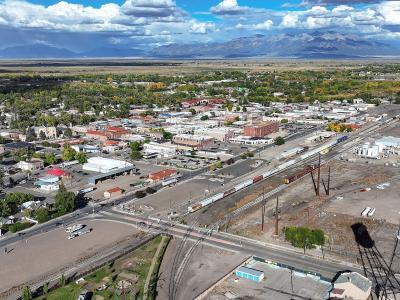
Alamosa
Gateway to high desert in the San Luis Valley
San Luis Valley
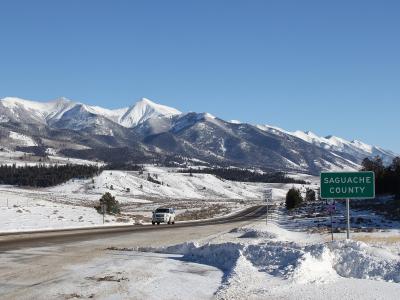
Saguache
Quiet county seat on the northern edge of the San Luis Valley