Skip to content
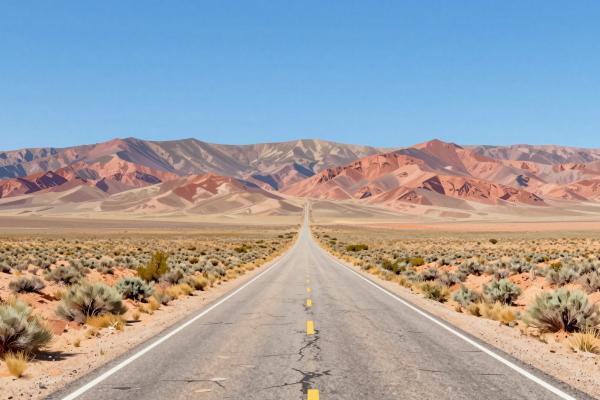
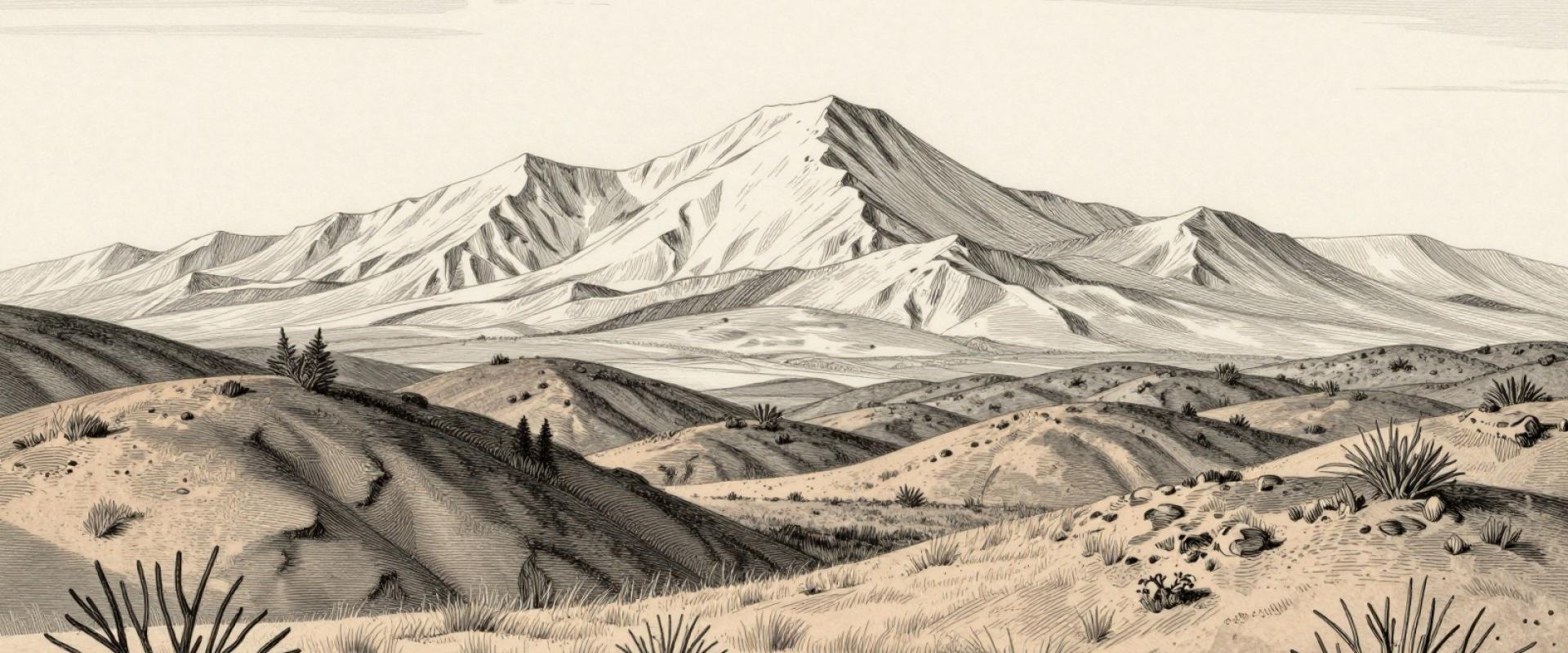
Illustrative header image for Best of San Luis
AI-generated illustration

1-day itinerary

Best of San Luis

One-day exploration of San Luis, Colorado

Length
1 day ยท 2 sights
Pace
Easy
Estimated cost
$65 per person
Based in
San Luis

Day by day

  1. Day 1: Exploring Historic San Luis and the Rio Grande

    A gentle introduction to the historic town of San Luis, focusing on its unique cultural heritage, the historic chapel, and the natural beauty of the surrounding high desert landscape along the Rio Grande.

    • 09:00

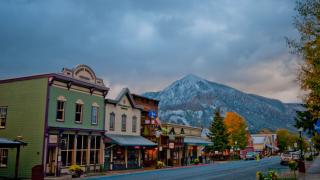
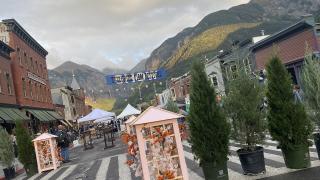
      Stroll through Historic San Luis Plaza

      Start your morning at the historic Plaza, the heart of the town. Walk along the historic streets, admire the adobe architecture, and absorb the unique blend of Spanish, Mexican, and Native American influences that define the area.

      About 60 min

    • 10:30

      Visit San Luis Chapel (Iglesia de San Luis Rey)

      Visit the historic San Luis Chapel, a significant landmark in the community. Take time to appreciate the traditional architecture and the historical significance of this religious site in the San Luis Valley.

      About 1.5 hours

    • 12:30

      Lunch in Downtown San Luis

      Enjoy a local lunch at a local cafe or restaurant in the historic district. Try local cuisine or simple, hearty meals typical of the region.

      About 60 min

    • 14:00

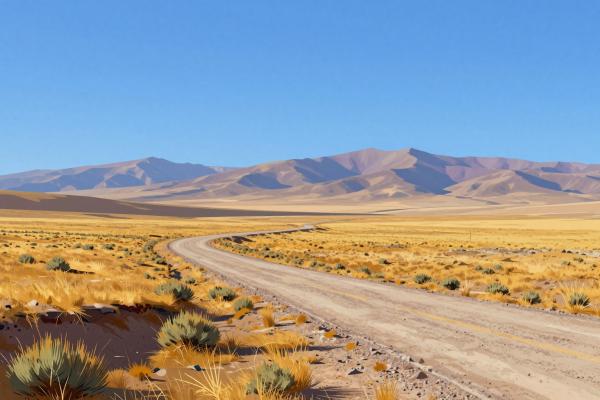
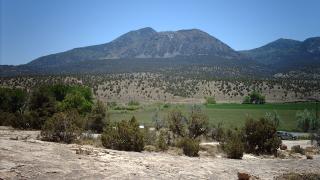
      Explore Culebra Range Views

      Take a short drive or walk to access the views of the Culebra Range. Enjoy the panoramic vistas of the Sangre de Cristo range and the high desert landscape. This is a great time for photography and enjoying the natural beauty.

      About 2 hours

    • 16:00

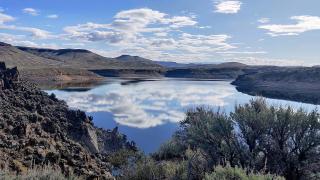
      River Walk along the Rio Grande

      Spend the late afternoon strolling along the banks of the Rio Grande. The river is a central feature of the San Luis Valley, and walking along its banks offers a peaceful end to the day, with views of the surrounding mountains.

      About 60 min

    Meals:
    Breakfast at Local Cafe in San Luis; Lunch at Downtown San Luis; Dinner at Local Restaurant in San Luis
    Where to stay:
    San Luis has several historic inns and bed and breakfasts. Staying in the historic district allows for easy walking access to the main attractions. Alternatively, there are motels available on the outskirts of town.
    Getting around:
    While the historic downtown is walkable, a car is recommended for visiting the wider Culebra Range and other natural areas. Public transport is limited, so a car is the most practical option for exploring the wider area.

Practical information

San Luis, located in the San Luis Valley, offers a unique high-altitude experience that requires careful planning, particularly regarding weather and altitude. The best time to visit is during the summer months, from June through September. During this window, daytime temperatures are typically mild and pleasant, ranging from the 70s to low 80s Fahrenheit, making it ideal for hiking and exploring the Great Sand Dunes. However, be prepared for rapid weather changes; afternoon thunderstorms are common in the summer, and temperatures can drop significantly at night, even in July. Winter visits are possible but require preparation for heavy snow, icy roads, and cold temperatures, as many services in the area are seasonal or limited. Getting to San Luis is primarily done by car. The town is accessible via U.S. Highway 160, which runs east-west through the region, or State Highway 11, which connects from the north. While public transportation is extremely limited, with no major commercial airline service directly in San Luis, the nearest major airports are in Alamosa (SBA), approximately 20 miles north, and in larger hubs like Denver or Pueblo, which require a further drive. Renting a car is highly recommended for exploring the surrounding area, including Great Sand Dunes National Park, as public transit options are virtually non-existent in this rural part of Colorado. Accommodation options in San Luis are limited compared to larger cities. The town offers a few motels, bed and breakfasts, and campgrounds, but availability can be tight, especially during the summer peak season and local festivals. It is essential to book accommodations well in advance. For those seeking more variety, nearby towns like Alamosa or Monte Vista may offer additional lodging choices, though they are a short drive away. Budget considerations should account for the remote nature of the location. While some basic amenities are affordable, specialized tours, guided hikes, or high-end lodging can be expensive. It is wise to budget for meals, as dining options are limited, and grocery shopping may require a trip to larger towns. Additionally, consider the cost of vehicle maintenance, as the high altitude and rugged terrain can impact fuel efficiency. When packing, prioritize layers due to the significant temperature fluctuations between day and night. Essential items include sturdy hiking boots, sun protection (sunscreen, hat, sunglasses), and warm clothing for evening hours. Since the altitude is over 7,000 feet, stay hydrated and be mindful of potential altitude sickness, especially if you are coming from lower elevations. Always carry water, snacks, and basic first-aid supplies, as services may be sparse in remote areas.

Questions people ask

Book your stay