Why Colorado Is Good for Stargazing
Colorado has a combination that suits stargazers: high elevation, dry air and large areas of thinly populated land, especially in the west and south. Thinner, drier air means less haze between you and the stars, and many of the state's parks and small towns have taken formal steps to limit light pollution. Colorado has around twenty places certified by DarkSky International (formerly the International Dark-Sky Association), more than most states.
The Front Range cities, from Fort Collins through Denver to Colorado Springs and Pueblo, light up the sky for a long way east of the mountains. For truly dark skies, head west across the Divide or south into the San Luis Valley.
Great Sand Dunes National Park
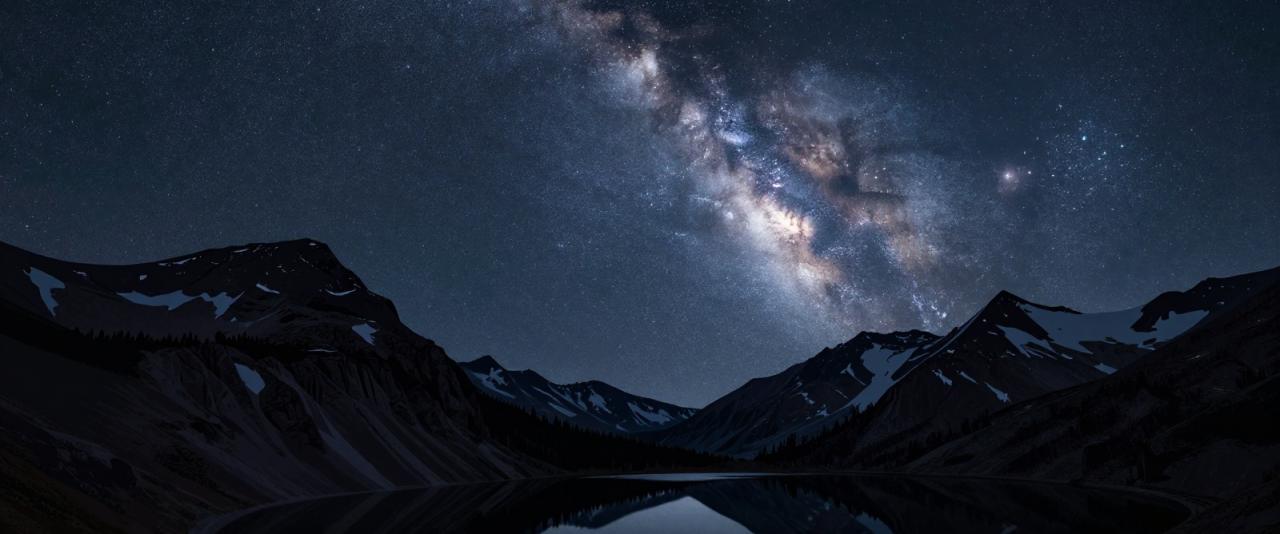
Great Sand Dunes in the San Luis Valley is one of the best and most accessible dark sky sites in the state. It is a certified Dark Sky Park, and the open valley floor gives a wide, unobstructed view of the horizon. On a moonless summer night the Milky Way stretches clearly over the dunes and the Sangre de Cristo Mountains.
You can walk out onto the dunes at night from the main parking area, but bring a red light, mark your route back, and be aware that the sand cools quickly. Piñon Flats Campground inside the park lets you stay close to the dunes, and rangers have offered night sky programs in summer.
Black Canyon, Mesa Verde and Dinosaur
Black Canyon of the Gunnison National Park, east of Montrose, is another certified Dark Sky Park. Its overlooks along the South Rim make good viewing platforms, with the canyon below and almost no artificial light around. The park has hosted an annual astronomy festival and summer ranger-led astronomy programs, with telescopes set up for visitors. The nearby Curecanti National Recreation Area and Gunnison Gorge National Conservation Area also hold dark sky certifications, so the whole area is a good base for several nights.
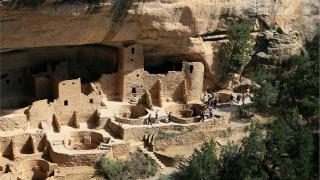
In the far southwest, Mesa Verde National Park, known for its cliff dwellings, is a certified Dark Sky Park with campground and lodge options on the mesa. Combining a day touring the Ancestral Puebloan sites with a night under the stars makes for a memorable stop.
In the far northwest, Dinosaur National Monument, which spans the Colorado–Utah border, is one of the remotest dark sky sites in the region. Its campgrounds along the Green and Yampa rivers are far from any city lights.
Westcliffe and Silver Cliff
Not every dark sky place is a park. The neighboring towns of Westcliffe and Silver Cliff, in the Wet Mountain Valley at the foot of the Sangre de Cristos, became Colorado's first certified International Dark Sky Community. Residents and businesses use shielded lighting, and the local astronomy group runs the Smokey Jack Observatory, which has hosted public star parties. Staying in town lets you combine dark skies with a bed and a restaurant.
Other certified communities in the state include Crestone in the San Luis Valley and several Western Slope towns, including Ridgway, Norwood and Paonia.
Gear for Cold Nights
Colorado nights cool quickly, even in summer. At elevations of 7,000 to 8,000 feet, a warm July day can drop to around freezing after midnight, and standing still makes it feel colder. Bring:
- A warm insulated jacket, hat and gloves, plus a blanket or sleeping bag to sit in
- A red light or headlamp with a red mode, which preserves your night vision; avoid white lights and phone screens, or turn them to red or the lowest brightness
- A reclining camp chair or ground pad to look up comfortably
- Binoculars, ideally 7x50 or 10x50, which show far more than the naked eye and are easier to use than a telescope
- A star chart or astronomy app set to night mode
- Hot drinks and snacks
Timing Your Trip
The moon is the biggest factor. Plan around the new moon, when the sky is darkest; a bright moon washes out the Milky Way and faint objects. The week on either side of the new moon is generally good, especially after moonset.
The Milky Way's bright central region is best seen from late spring through early autumn, highest in the sky around midsummer. Summer thunderstorms often clear in the evening, but monsoon clouds can linger, so check the forecast and have a backup night. Autumn and winter bring the clearest, most stable air, though nights are long and very cold. Major meteor showers include the Perseids in mid-August and the Geminids in mid-December.
Let your eyes adjust for 20 to 30 minutes without looking at bright lights, and you will see far more stars than you expect.