
The Threshold of 9,000 Feet
Cross the 9,000-foot threshold, and the atmosphere shifts instantly. Rocky Mountain National Park spans an elevation range from 7,800 to over 14,000 feet, creating distinct ecological zones as you climb. The air grows crisper, and the light takes on a sharper, clearer quality. This transition from the familiar lowlands to the alpine zone is subtle but profound. You are no longer just hiking; you are entering a different world.
Take a moment to breathe. The thin air demands attention, not panic. Acclimate slowly. The landscape here is rugged and ancient, demanding respect through mindful movement rather than force. Hike with care. The mountains are majestic, but they are unforgiving. Plan your ascent with caution, letting the terrain guide your pace rather than forcing a rigid schedule. Let the height settle into your bones before pushing further.
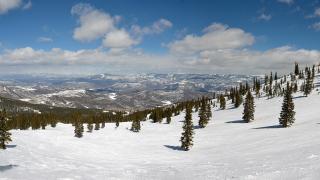
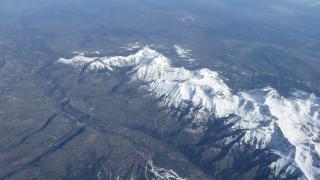
The air grows thin and crisp as you leave the comfort of the 7,800-foot baseline behind. Rocky Mountain National Park spans a dramatic vertical range, reaching over 14,000 feet, where the landscape shifts from familiar forests to stark, exposed alpine terrain. This transition is not merely a change in view, but a shift in physical reality. The alpine zone above 11,000 feet demands serious respect; it is a place where weather turns quickly and the air is thin.
You must prepare for these changes. Hydration is critical, as the dry air accelerates dehydration. Rest when needed, and do not push through exhaustion. The view from the summit rewards the effort, but only if you plan your route carefully. Respect the wild environment by staying on marked trails and leaving no trace. This is not a place for haste. It is a place for mindfulness.
Colorado’s mountains offer unique challenges that cannot be rushed. Prepare adequately for a safe journey. Pay attention to the sky. Check local forecasts before you start. Start early to avoid afternoon storms. The stakes are higher here. The air is thinner. The beauty is greater. Take your time. Breathe deep. Enjoy the moment.
Whispers of the Wild
Alpine terrain commands immediate respect, requiring a strict buffer of at least 100 feet between you and bears or wolves. This distance ensures their natural behaviors remain undisturbed, protecting both the animals and yourself. In contrast, a smaller buffer of 25 feet is required for other wildlife, such as elk and moose.
These creatures are wild, not pets. Their safety, and your own, depends on this separation. Always carry bear spray as a precaution. Observe quietly. Let the environment remain wild. Keep the peace.
Breathing the Thin Air
At 10,000 feet, the air grows thin, demanding a gentler pace. Start with slow, easy walks to let your body adjust to the thinner atmosphere. Sip water frequently, even if the dry air doesn’t immediately signal thirst. If dizziness strikes, pause and rest. There is no rush to push through.
Listen to your body. Altitude affects everyone differently. Take your time to savor the crisp, thin air, letting the environment settle around you rather than rushing to conquer it.
The Path Forward
The trail ends, yet the journey continues.
High alpine tundra gives way to dense aspen groves, a transition that demands pause. Here, in the quiet, the weight of the mountains settles in. This is not just a hike; it is an immersion into the rock and ice that define this range.
Respect is shown not through words, but through action. Step lightly. Leave no trace. Let the landscape speak.
The path ahead is clear, though the terrain remains wild. Go gently. Stay curious. Let the silence guide you.