
The Alpine Canvas: Where Paintbrush Meets Peak
Granite spires slice through the sky, framing the vibrant crimson of Indian paintbrush in a contrast so sharp it feels artificial. Yet, this is the raw reality of the high country. As you navigate this terrain, you are tracing paths walked by Ute ancestors, now softened by carpets of yellow alpine buttercups that carpet the soil. Crested Butte’s July festival captures this ephemeral moment, drawing visitors to witness nature at its most fleeting and vivid.
Before you ascend, prepare your digital tools. Cell service vanishes entirely above the tree line, leaving you isolated from the grid. Downloading offline maps beforehand is not a precaution; it is a necessity to prevent disorientation when signals fade into static. Protecting the ecosystem is equally critical. Stick strictly to marked trails to safeguard delicate root systems that lie just inches below the surface, fragile enough to be destroyed by a single step off-path.
The West Elk Loop offers a thirty-mile scenic drive through valleys exploding with wildflowers, providing a gentle introduction to the alpine environment. Practicing leave-no-trace ethics here means taking only photographs and leaving nothing behind. This mindful approach preserves the landscape’s vividness, ensuring future hikers encounter the same quiet majesty you experienced today.
Kebler’s Crimson River and the Crested Butte Bloom
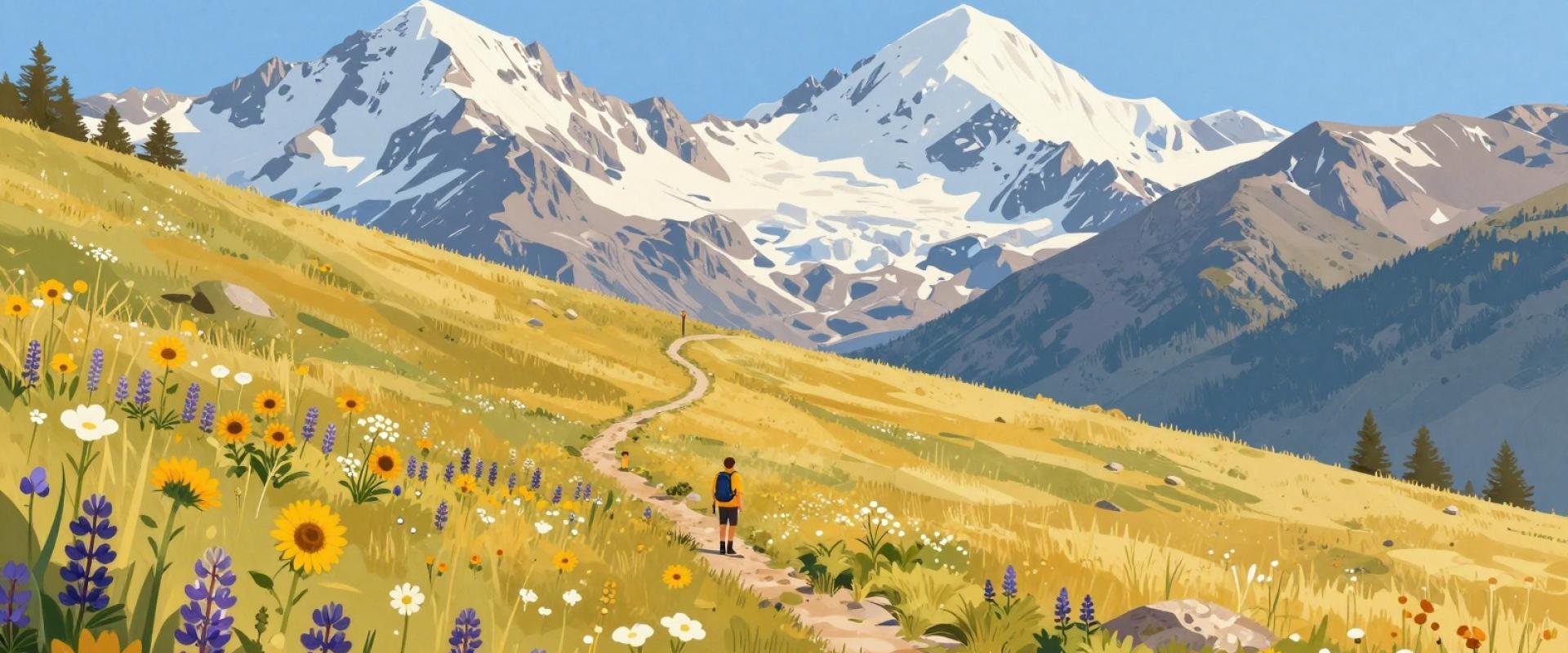
County Road 12 stretches like a vibrant ribbon across the high country, linking Crested Butte with Paonia along the West Elk Loop. This thirty-mile stretch transforms into a canvas of color when peak bloom arrives in early to mid-July. Lupine and larkspur paint the hillsides in shades of purple and blue, while Indian paintbrush and alpine buttercups add fiery accents to the landscape.
For those seeking an intimate encounter with these fleeting blooms, the Three Lakes Trail offers a rewarding path through the heart of the display. Before heading out, ensure your navigation tools are set for offline use, as cell service drops off quickly in this rugged terrain. Applications like Gaia GPS provide reliable mapping when the network fails, keeping you grounded in the physical landscape.
Preserving this delicate ecosystem requires strict adherence to Leave No Trace principles. Stay firmly on developed trails to protect the fragile root systems beneath your feet. Refrain from picking flowers; instead, capture the moment through your lens. This mindful approach ensures that future visitors can witness the same spectacular natural beauty, preserving the integrity of the high country for generations to come.
Gateway to the West: Sunflowers and Sage
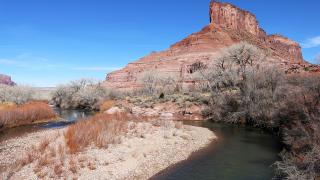
While alpine meadows dazzle further east, the landscape here shifts dramatically to a stark, beautiful high desert. Native sunflowers and sagebrush dominate the horizon, thriving under an expansive sky that feels both immense and intimate. This solitude stands in stark contrast to the bustling trails near Crested, offering a rare chance to hike without the crowd.
Lower elevations bring intense heat, so planning is essential before you step onto the trail. The Book Cliffs region remains a quiet sanctuary, where the only interruptions are the whispers of wind moving through the sage. Protecting these fragile ecosystems means staying on established paths, preserving the natural integrity for those who follow in your footsteps.
For those willing to venture slightly off the beaten path, the reward is authentic, unspoiled Colorado scenery. You will find a deep peace in the silence, a reminder of how wild this corner of the state truly is. The silence is not empty; it is full of the subtle sounds of nature, waiting to be heard.
Shutter Speeds and Sunrise Light
Mountain light changes with startling speed, demanding quick ISO adjustments to keep your exposure balanced. At 10,000 feet, the air is thin, and the sun is intense. A gentle breeze can blur the delicate details of alpine buttercups, so stability is non-negotiable for those macro shots. A polarizing filter proves essential when photographing Indian paintbrush along County Road 12, cutting through the glare on those fragile petals.
While the July festival draws crowds, the quiet morning hours offer superior clarity for your images. Use a wide-angle lens to frame the West Elk Mountains against a field of flowers, capturing the scale of the landscape. Golden hour provides soft, directional light that enhances texture without harsh shadows, making it ideal for natural compositions. Focus on the environment, letting the scene speak for itself rather than forcing a pose.
Leave Only Footprints, Take Only Memories
Colorado’s alpine meadows demand respect. You must stay strictly on developed trails to protect fragile roots that are easily crushed by off-path wanderings. The annual Crested Butte Wildflower Festival draws crowds each July, but individual hikers bear the responsibility for preservation. Download offline maps via Gaia GPS before you arrive, as cell service vanishes beyond the valley floor.
Do not pick Indian paintbrush or alpine buttercups. These blooms are not just decorative; they are vital to the local ecosystem. Take only photographs. Leave only footprints. This simple practice ensures that the vibrant explosion of color remains intact for future explorers who share your love for the high country. By respecting the land, you ensure that the beauty you experienced today will continue to inspire those who come after you.