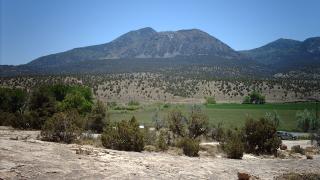
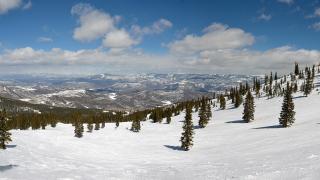
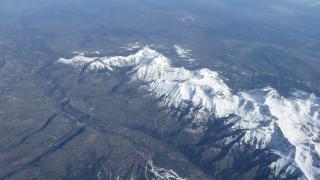
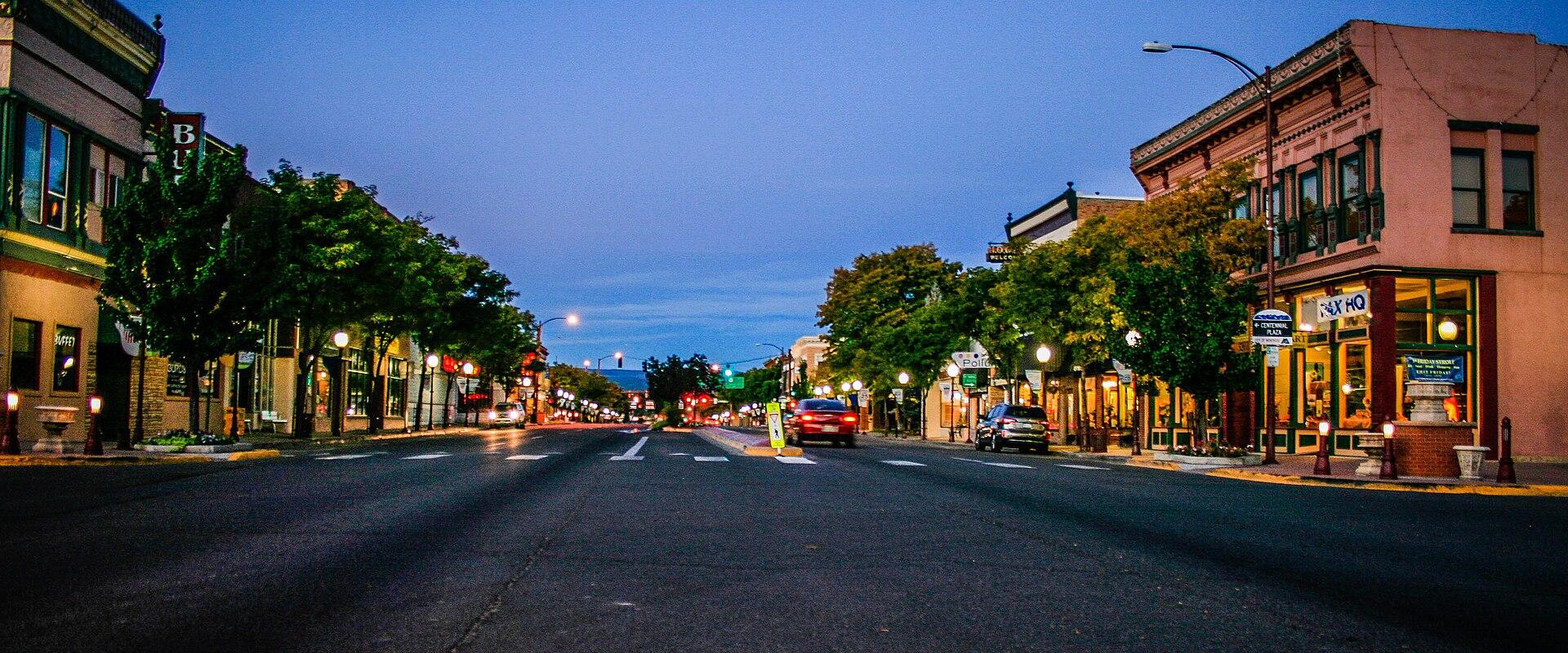
Montrose, Colorado, operates as the central hub of the Uncompahgre Valley, serving as a strategic base for exploring the high desert and mountain landscapes of western Colorado. Located at an elevation of 5,794 feet, the town offers a distinct climate that is drier and sunnier than many other high-altitude regions. This geographic positioning makes it a unique transit point and destination in its own right, bridging the gap between the high alpine peaks of the San Juan Mountains and the high desert plains of the west. The local economy is heavily influenced by this transit role, with a robust hospitality sector supporting travelers who pass through to reach more remote destinations.
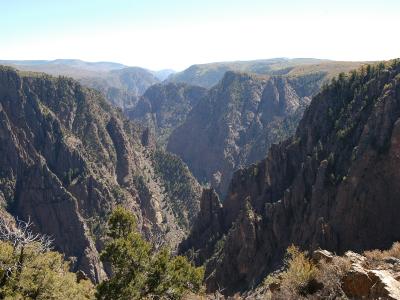
The Gateway to Black Canyon The most significant feature defining Montrose’s identity is its proximity to Black Canyon of the Gunnison National Park. The town serves as the primary gateway for visitors heading to the park’s South Rim, about 15 miles east of town. Black Canyon is renowned for its deep, narrow canyons, where the Gunnison River has carved through ancient Precambrian gneiss and schist, creating some of the steepest cliffs in North America. The visual impact is dramatic, with walls dropping over 2,000 feet in some areas. For visitors, the experience is defined by the scale of the landscape; the park offers limited developed facilities, emphasizing a raw, rugged experience. Access to the canyon rims is primarily via South Rim Drive, the paved road along the south rim, offering panoramic views that are both awe-inspiring and humbling. The contrast between the deep, shadowed canyon floor and the bright, high desert plateau above creates a striking visual dynamic that defines the region’s character.
High Desert Agriculture and Local Flavor Montrose is also known for its agricultural heritage, particularly its role in the regional wine and fruit industry. The area’s unique climate, characterized by high solar radiation and significant temperature variations between day and night, creates ideal conditions for growing grapes and stone fruits. This has led to a thriving local wine industry, with several vineyards and wineries located in the immediate vicinity. Visitors can explore local vineyards, sampling local wines and learning about the viticulture practices adapted to the high-altitude, semi-arid environment. This agricultural aspect adds a layer of cultural depth to the visit, connecting the landscape to the local economy and the people who work the land. The local markets and farmers' markets often feature produce from these local farms, offering a taste of the region’s agricultural bounty.
Recreation and Accessibility The town itself offers a range of recreational facilities that cater to both relaxation and active pursuits. The Montrose Recreation Center is a central hub, offering extensive fitness facilities, including a large indoor pool with a lazy river, a warm water pool, and a fitness center. This facility is popular with both residents and visitors, providing a place to relax and recharge. The city also supports a variety of outdoor activities, including hiking, biking, and fishing. The local infrastructure is designed to support these activities, with well-maintained trails and access points. The combination of natural beauty and well-maintained facilities makes Montrose a versatile destination for a wide range of travelers, from families to solo adventurers.
Practical Considerations Visitors to Montrose should be prepared for the high-altitude environment. The air is thin and dry, and sun exposure is intense. It is essential to stay hydrated and use sun protection. The weather can change rapidly, so layered clothing is recommended. The town is well-equipped to handle visitors, with a range of accommodations and dining options available. However, due to its popularity as a transit hub, it is advisable to book accommodations in advance, especially during peak seasons. The local community is generally welcoming and supportive of visitors, contributing to a welcoming and friendly atmosphere.
Best time to visit
May through October offers ideal weather, avoiding the cold of winter.
What to see in Montrose
Our picks first.
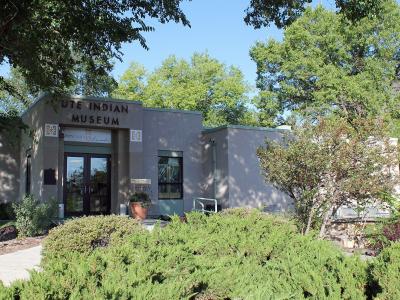
Montrose by interest
The same sights, grouped by what you came for.
Planning a visit to Montrose
Good to know
- Currency
- USD
- Language
- English