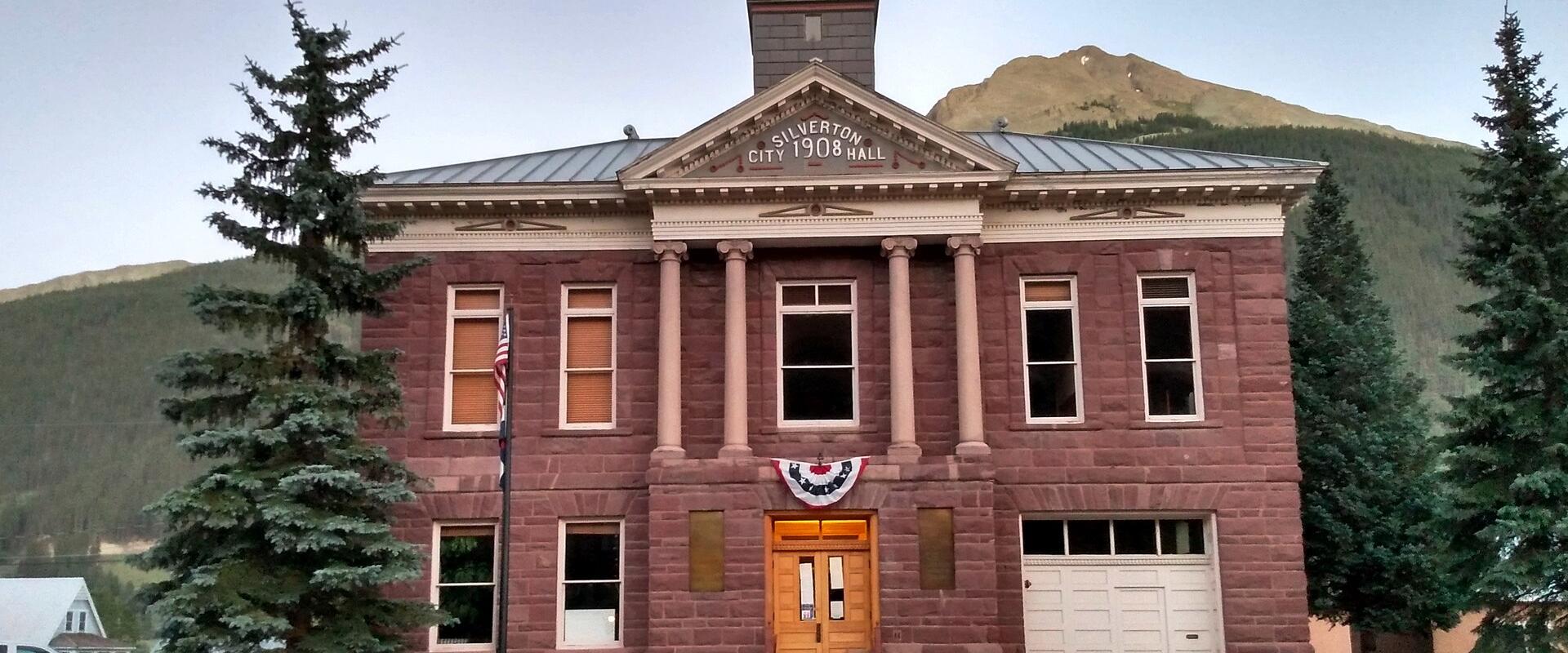
Silverton Historic District
- Where
- Silverton, Southwest Colorado
- Directions
- Directions
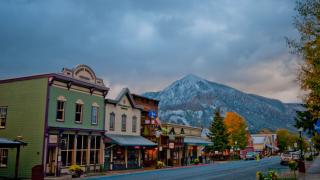
The Silverton Historic District covers nearly the whole of Silverton, a Victorian mining town at about 9,300 feet in the San Juan Mountains, and was designated a National Historic Landmark in 1961. The town grew up after the 1873 Brunot Agreement opened the area to mining, and for more than a century its fortunes rose and fell with the gold and silver mines in the surrounding peaks.
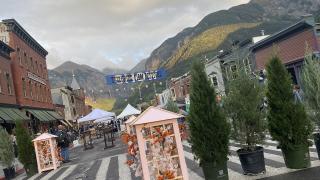
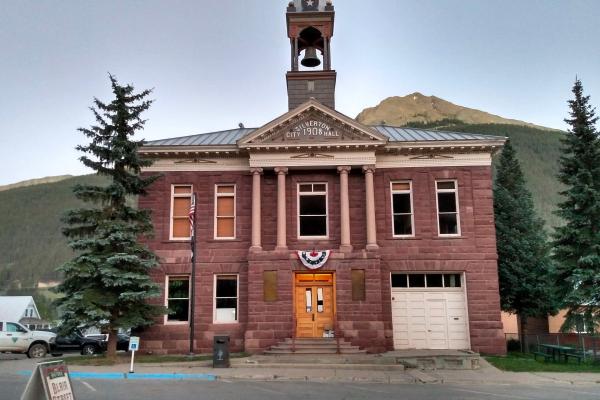
Greene Street, the wide main street, is lined with false-fronted wooden buildings and brick and stone blocks from the late 1800s and early 1900s, including the Grand Imperial Hotel and the town hall. One block east, Blair Street was once the town's notorious red-light district of saloons and dance halls; many of its buildings still stand. At the north end of town, the San Juan County Courthouse with its gold-coloured dome and the old county jail, now part of the San Juan County Historical Society museum, round out the picture.
The easiest way to see the district is on foot. In summer the Durango & Silverton Narrow Gauge Railroad trains pull in beside Blair Street and the town fills with day visitors for a few hours, so early mornings and late afternoons are much quieter. Silverton's altitude means cool summer days and long, snowy winters, so pack layers even in July.
Categories
More photos coming soon
Nearby Attractions
Closest attractions by distance
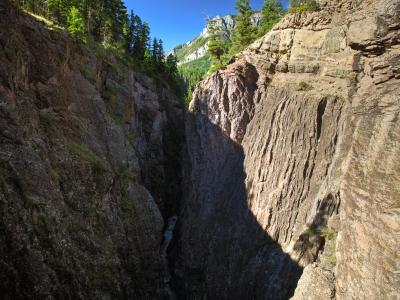
Box Canyon Falls Park
Natural Landscapes · Recreation & Outdoors
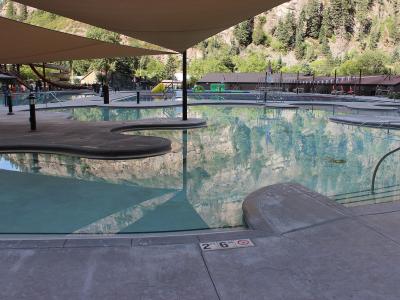
Ouray Hot Springs Pool
From $18 Natural Landscapes · Recreation & Outdoors
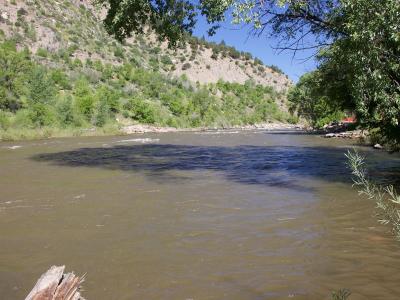
Animas River Trail
Free Natural Landscapes · Recreation & Outdoors
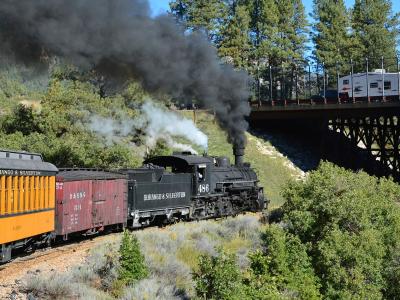
Durango & Silverton Narrow Gauge Railroad
Cultural Heritage · Natural Landscapes
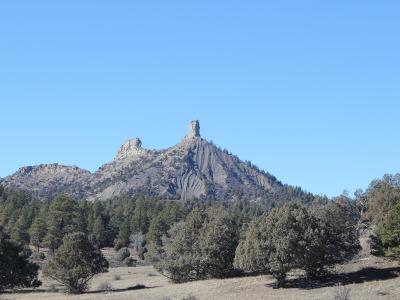
Chimney Rock National Monument
Cultural Heritage · Natural Landscapes
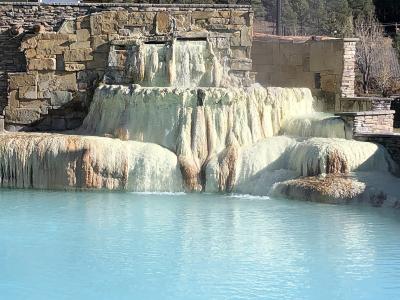
Pagosa Hot Springs
Natural Landscapes · Recreation & Outdoors
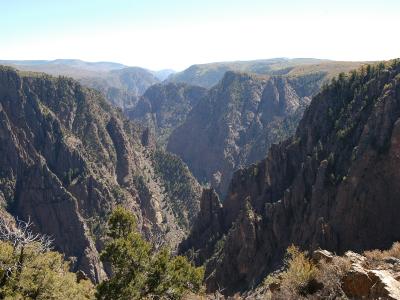
Black Canyon of the Gunnison National Park
Natural Landscapes · Recreation & Outdoors
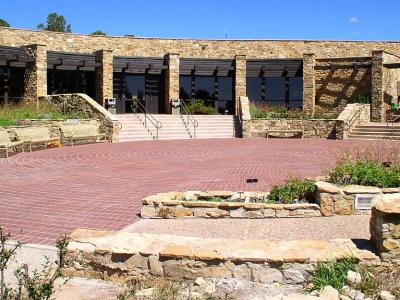
Anasazi Heritage Center
From $3 Cultural Heritage · Museums
Questions people ask
Quick Facts
Best Time to Visit
Mid-June through September offers the most comfortable weather for visiting this high-altitude mountain destination.