History
The Fraser Valley was ranching and logging country long before it was a ski destination. William Zane Cozens, a former Gilpin County sheriff, homesteaded on the Fraser River in the 1870s, and his ranch house also served as a stage stop and post office on the road over Berthoud Pass. The house is now the Cozens Ranch Museum, run by the Grand County Historical Association and listed on the National Register of Historic Places.
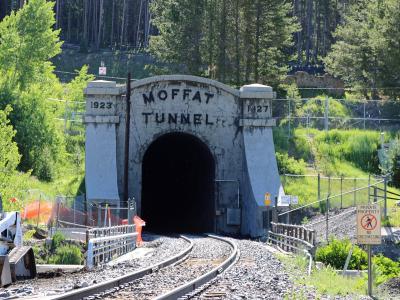
The valley's fortunes changed with the railroad. The Moffat Tunnel, completed in the late 1920s, took trains roughly six miles under the Continental Divide and brought them out at the west portal, where the ski area now stands. Skiers soon followed the trains, and in January 1940 Winter Park ski area opened, developed by the City and County of Denver as a mountain park for its residents. Denver still owns the land, while the resort is operated today by Alterra Mountain Company.
Main Attractions
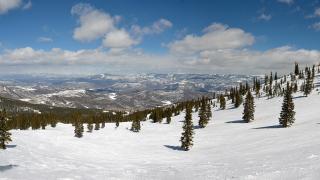
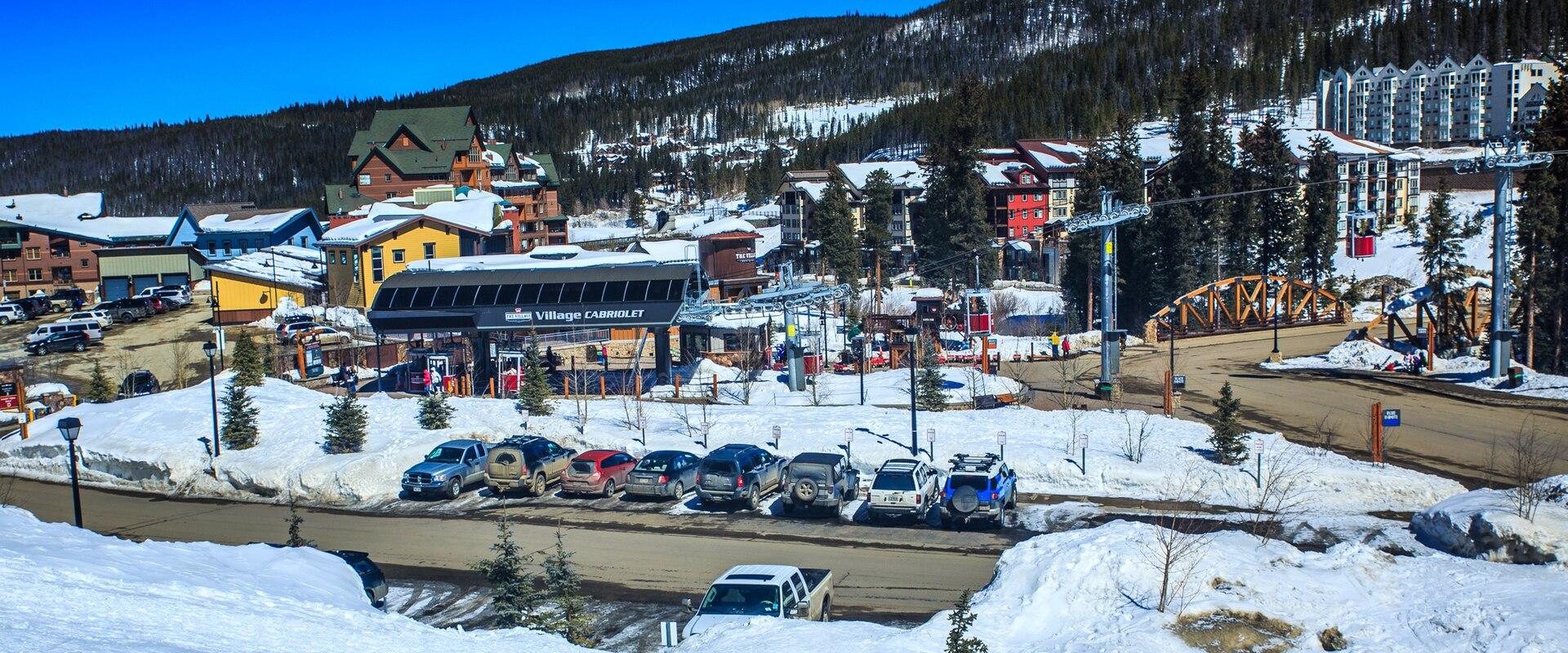
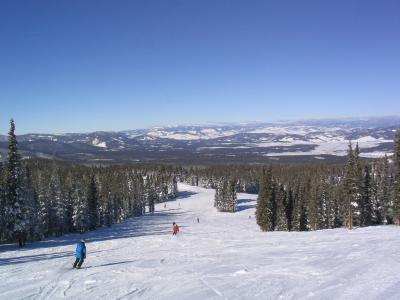
Winter Park Resort is the centre of town life in winter. It combines two mountains under one lift ticket: Winter Park, with plenty of groomed intermediate runs and beginner areas near the base village, and Mary Jane, a favourite of experienced skiers for its bumps and tree runs. The base village has restaurants, shops and lodging within walking distance of the lifts.
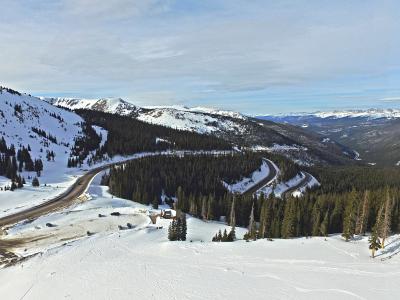
Just south of the resort, US Highway 40 climbs to Berthoud Pass at 11,307 feet. The pass, named after the surveyor Edward Berthoud, once had its own ski area; today its summit is a popular starting point for backcountry skiing in winter and for hikes along the Continental Divide in summer.
Back in the valley, the Cozens Ranch Museum tells the story of pioneer life, stagecoach travel and the families who settled the Fraser Valley. The Moffat Tunnel's west portal is another quiet landmark, and on winter weekends you can watch the ski train pull in at the base of the slopes.
Activities
Skiing and snowboarding dominate from late autumn to spring, and the valley is also good for cross-country skiing, snowshoeing and fat biking on Nordic trails. When the snow melts, Winter Park becomes one of Colorado's busiest mountain-biking towns, with lift-served downhill trails at the resort and many miles of cross-country singletrack and forest roads around the Fraser Valley. Hiking, fishing on the Fraser River and summer events at the base village round out the season.
Getting There
Winter Park is about 67 miles from downtown Denver. The drive leaves I-70 at Empire and follows US Highway 40 over Berthoud Pass, a steep, winding mountain road that needs care in winter storms. The most distinctive way to arrive is the Winter Park Express, a seasonal Amtrak ski train that runs from Denver Union Station through the Moffat Tunnel to a stop at the base of the resort on winter weekends. The free local bus system links the resort, the town and Fraser.
Best Time to Visit
Winter, from late November into April, is peak season for skiing, and the valley is famous for being cold: Fraser has long called itself the "Icebox of the Nation". Summer, from late June to early September, brings mild days, wildflowers and the mountain-biking season. Late spring and autumn are quiet shoulder seasons, when some lodging and restaurants reduce their hours.
Best time to visit
Late November to April for skiing; late June to early September for mountain biking and hiking.
What to see in Winter Park
Our picks first.
Berthoud Pass
Free Natural Landscapes · Recreation & Outdoors
Winter Park Resort
Denver's own ski area, reachable by ski train from Union Station
From $207 Natural Landscapes · Recreation & Outdoors
Moffat Tunnel
Free Cultural Heritage · Natural Landscapes
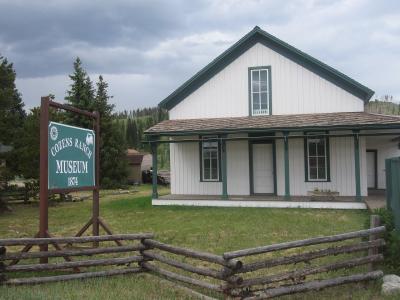
Cozens Ranch Museum
Cultural Heritage · Historic Buildings
Winter Park by interest
The same sights, grouped by what you came for.
Planning a visit to Winter Park
Good to know
- Currency
- USD
- Language
- English
Quick Facts
Book your stay
Questions people ask
More places in Summit County
Summit County
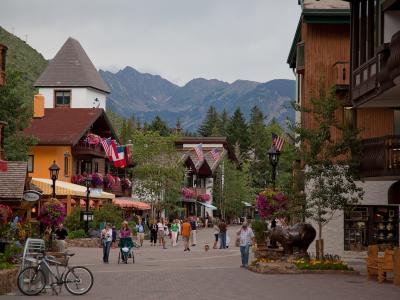
Vail
Alpine village in the Rocky Mountains
Summit County
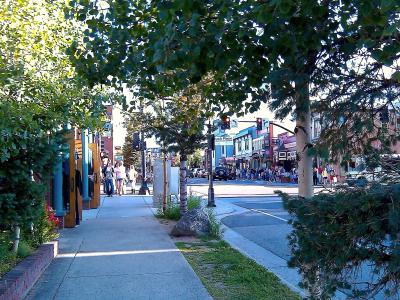
Breckenridge
High-altitude mountain town in Summit County, Colorado
Summit County
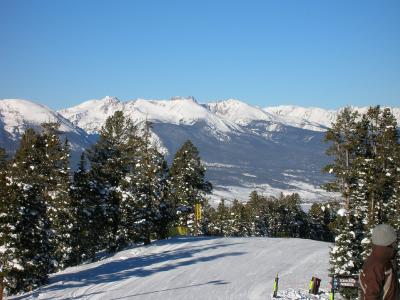
Keystone
Summit County ski resort with night skiing and lakeside villages
Summit County
Leadville
Silver-boom mining town high in the Sawatch Range