A Steel Town on the Arkansas River
Pueblo sits on the Arkansas River about 45 minutes south of Colorado Springs, at around 4,700 feet, where the Great Plains begin to meet the foothills. It is lower, warmer and sunnier than most of Colorado's better-known towns, and it has a very different history. While Denver grew on gold and silver, Pueblo grew on steel.
From the 1880s, the Colorado Fuel and Iron Company (CF&I) ran a huge steel mill on the city's south side, at one time the largest steel works in the West and the biggest employer in the state. The mill drew immigrants from Italy, Slovenia, Croatia, Mexico, Greece, Ireland and elsewhere, many of them settling in neighborhoods such as Bessemer, next to the plant. Steel is still made in Pueblo today on a smaller scale, and the mill's long buildings remain a visible part of the city.
Industrial History
The best place to understand this past is the Steelworks Center of the West, housed in the former CF&I company headquarters and dispensary opposite the mill. Its museum and archives cover the company, the mining camps that supplied it with coal and iron ore, and the lives of the workers and their families. The archives are a valuable resource for anyone tracing family roots in southern Colorado.
El Pueblo History Museum, downtown, covers the region's earlier history, including the 1842 trading post of El Pueblo and the area's role as a crossroads for Native American, Hispano and Anglo cultures. The Rosemount Museum, a large Victorian mansion built in 1893 for the Thatcher family, shows how Pueblo's wealthier families lived during the boom years.
Food: Italian, Mexican and the Pueblo Chile
Pueblo's food reflects the people who came to work at the mill. Italian families opened groceries, delis and restaurants, and several old-school Italian places still operate around the city. Downtown on Union Avenue, La Forchetta da Massi serves Italian dishes with handmade pasta and is a popular choice for a sit-down dinner; book ahead on weekends.
Mexican and New Mexican-style cooking is just as important, and green chile is everywhere. The Pueblo chile, often sold as the Mirasol variety, is grown on farms east of the city in the Arkansas Valley and is a point of local pride. In late summer, roadside stands roast chiles in rotating drums, and the Chile & Frijoles Festival, held downtown each September, celebrates the harvest with food stalls, music and roasting demonstrations.
Look also for the slopper, a local specialty: a cheeseburger served open in a bowl and smothered with green chile. Several local diners and bars claim it as their own.
Union Avenue and the Riverwalk
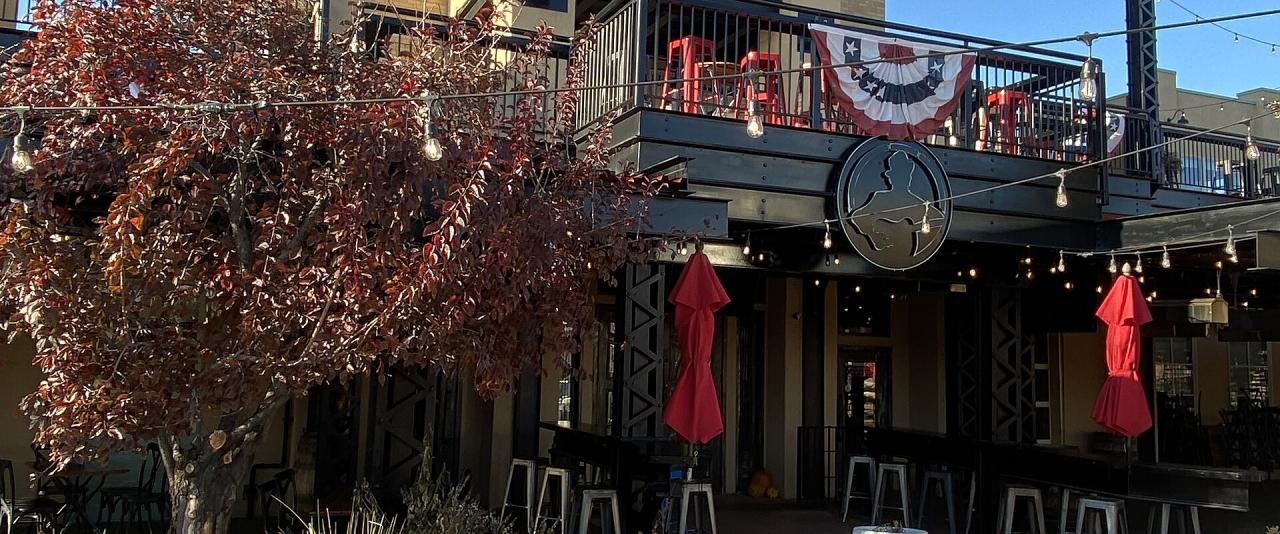
The Union Avenue Historic Commercial District, north of the river near the old railroad depot, preserves late nineteenth and early twentieth century brick buildings that now hold restaurants, bars, antique shops and galleries. It is the best part of town for wandering.
A short walk away, the Historic Arkansas Riverwalk of Pueblo follows a channel of the Arkansas River through downtown, restored as part of a flood-control and redevelopment project. Paths, bridges and public art line the water, and seasonal boat rides run in the warmer months. Several restaurants with patios overlook the channel.
For art, the Sangre de Cristo Arts and Conference Center has galleries and a children's museum, and local galleries and studios cluster around Union Avenue and the nearby streets.
Outdoors Around Pueblo
Lake Pueblo State Park, on the city's western edge, is a large reservoir popular for boating, fishing, camping and swimming, with trails for hiking and mountain biking along the rim and below the dam. The Arkansas River Trail follows the river through the city and connects to the lake.
About an hour southwest, Bishop Castle is an eccentric stone and iron castle built over decades by one man in the San Isabel National Forest. Climbing its towers is not for anyone afraid of heights, but it makes a memorable detour on the way to the Wet Mountains.
When to Go
Pueblo's mild climate makes it a year-round destination. Late August and September are the best months for food, with the chile harvest and the festival. Summers are hot, often reaching the 90s Fahrenheit, so plan outdoor activities for the morning or evening. Winter days are often sunny and mild compared with the mountains.