Why Grand Junction works as a budget base
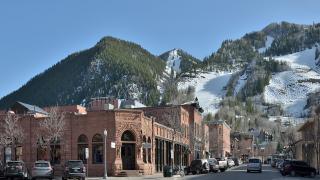
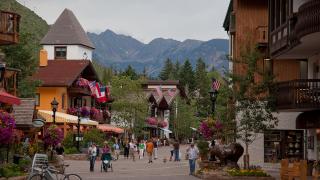
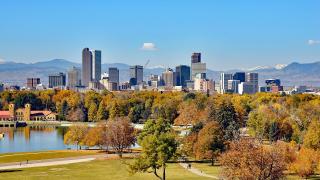
Colorado's best-known destinations, from Aspen and Vail to Boulder, are among the most expensive places to stay in the country. Grand Junction, on the Western Slope about four hours west of Denver, is a different story. It is the largest town in western Colorado, with plenty of chain and independent motels, campgrounds, supermarkets and a walkable downtown, and lodging generally costs far less than in the ski towns. It sits in the Grand Valley at roughly 4,600 feet, where the Colorado and Gunnison rivers meet, surrounded by red rock canyons, desert and, a short drive away, high forest. Much of the land around it is public, which means a lot of the best things to do are free or close to it.
Getting there cheaply
You do not need to fly into Grand Junction. Amtrak's California Zephyr runs daily between Denver and Grand Junction through the Colorado River canyons, a long but scenic ride. Colorado's state-run Bustang intercity bus also links Denver with the Western Slope along Interstate 70. If you are driving, compare rental prices at Denver's airport with downtown or neighbourhood rental offices, which are sometimes cheaper.
Free and low-cost outdoors
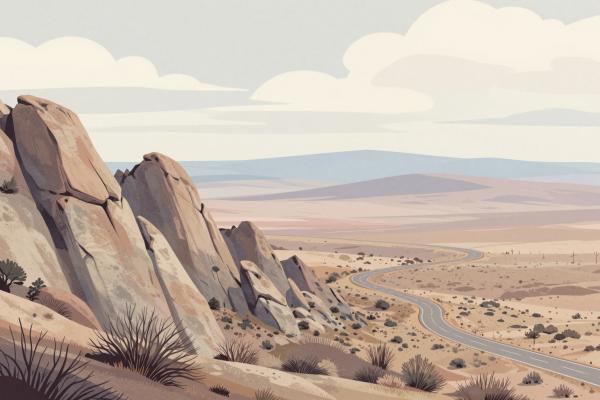
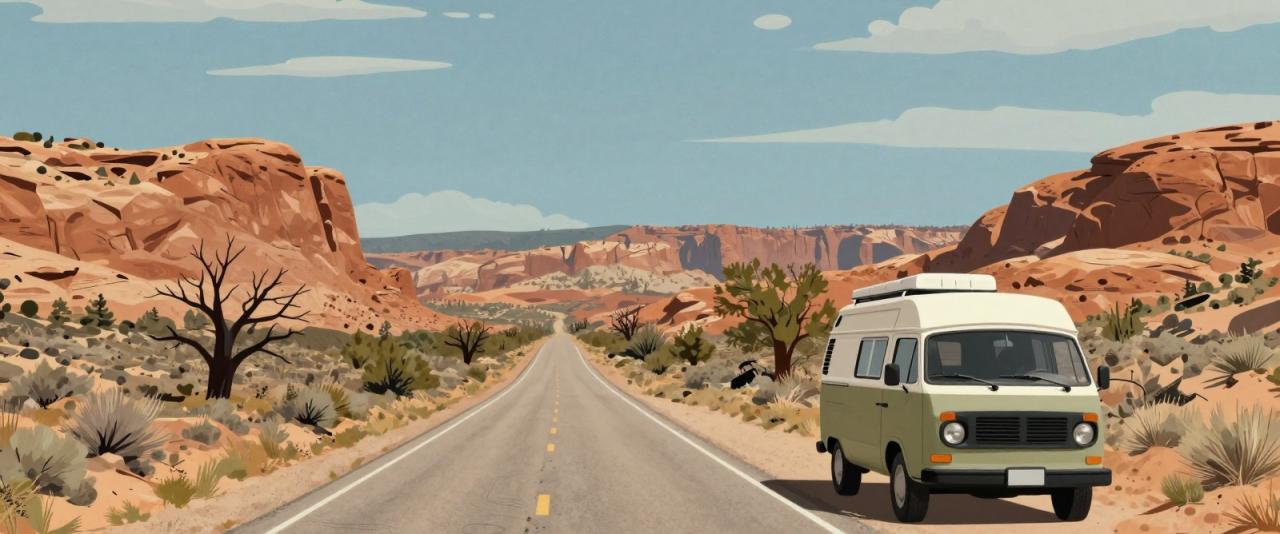
Colorado National Monument. Just west of town, the monument's 23-mile Rim Rock Drive follows the edge of deep red sandstone canyons with overlooks above tall monoliths such as Independence Monument. There is an entrance fee per vehicle; if you plan to visit several national parks or monuments on your trip, an America the Beautiful annual pass quickly pays for itself. Sunset from the overlooks along Rim Rock Drive, when the canyon walls glow red, costs nothing beyond the entry.
Riverfront Trail. A paved path follows the Colorado River through Grand Junction and on toward Fruita and Palisade. It is free, shaded by cottonwoods in many places, and good for walking or cycling.
Bureau of Land Management trails. Much of the desert around the valley is managed by the Bureau of Land Management, and its trailheads are generally free. The Lunch Loops, on the edge of town, are a network of hiking and mountain biking trails among desert ridges. North of town, the Little Book Cliffs Wild Horse Area has trails through canyons where a herd of wild horses roams; sightings are not guaranteed, but the walking is quiet and uncrowded. Near Fruita, the short Dinosaur Hill trail passes the site where a large sauropod skeleton was excavated around 1901, with signs explaining the find.
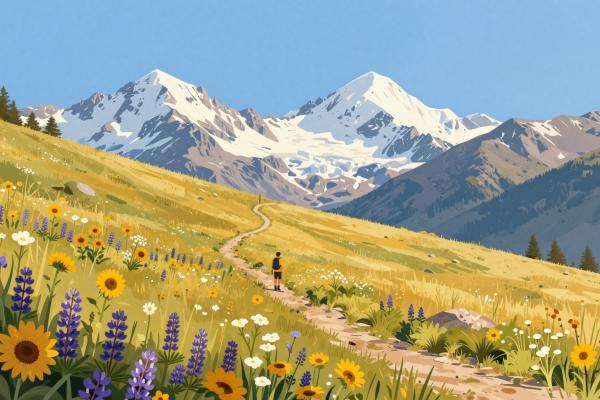
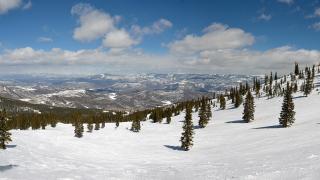
Grand Mesa. About an hour east, Grand Mesa is one of the largest flat-topped mountains in the world, rising to over 10,000 feet and dotted with hundreds of small lakes. It is national forest land, so there is no entry fee, and its trails, lakes and picnic spots offer cool relief on hot summer days in the valley.
Eating well for less
The Grand Valley is farm country. Palisade, east of Grand Junction, is famous for its peaches, which are in season from roughly July to September, and roadside fruit stands sell peaches, cherries, apricots and vegetables directly from the orchards. Grand Junction's downtown hosts a farmers' market on summer evenings, a good place to stock up on produce and try local food.
If your lodging has a kitchen or you are camping, cooking most meals is the single biggest saving. Grand Junction's supermarkets are larger and cheaper than those in mountain towns, so it is worth stocking up here before heading into the high country. Pack picnic lunches for days on the monument or Grand Mesa, where food options are limited anyway.
Sleeping cheaply
Camping is the cheapest way to stay. Developed campgrounds at Colorado National Monument and on Grand Mesa charge modest nightly fees, and BLM land around the valley allows free dispersed camping in many areas, with no facilities and strict rules about where you can camp and for how long. Check the BLM Grand Junction Field Office for current rules and fire restrictions, which are common in dry summers.
If you prefer a bed, Grand Junction's motels along the Interstate 70 business loop and Horizon Drive are some of the most affordable in Colorado. Prices rise around summer weekends and big events such as the Colorado Mountain Winefest in September, so book early if your dates are fixed.
Budget timing
Spring and autumn are the best value. April, May, September and October bring mild temperatures in the valley, lower lodging prices and fewer visitors. Summer days in Grand Junction regularly pass 90°F, so plan outdoor activity for early morning and evening, and carry plenty of water in the desert. Winter is cheap and quiet, and snow rarely lingers long in the valley, although Grand Mesa is fully snowbound and becomes a Nordic skiing and snowshoeing area.