Colorado's wine country is on the Western Slope
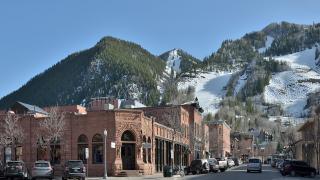
Colorado makes wine in many corners of the state, but most of its grapes are grown on the Western Slope, in the valleys of the Colorado and Gunnison river systems. The heart of it is the Grand Valley around Grand Junction and Palisade, Colorado's first federally recognised wine region, or American Viticultural Area, established in 1991. A second, smaller AVA, the West Elks, covers the North Fork Valley around Paonia and Hotchkiss. Visitors based in Aspen and the rest of Pitkin County will not find vineyards there, but the Food & Wine Classic each June brings winemakers to Aspen, and the West Elks wineries are a scenic drive away over McClure Pass on Highway 133.
How altitude and climate shape the grapes
The Grand Valley's vineyards sit at roughly 4,000 to 4,800 feet, which is high by world wine standards, and the West Elks vineyards are higher still, mostly between about 5,400 and 6,400 feet. At that elevation the sunlight is intense, which helps grapes ripen and thicken their skins, and the dry air means fewer fungal diseases than in humid regions. Nights cool down sharply even in summer, so grapes keep their acidity, which gives the wines freshness.
The climate is semi-arid; vineyards depend on irrigation from canals fed by the Colorado River and its tributaries. The main risk is cold. Hard freezes in winter and late spring frosts can damage vines, which is why growers favour sites near the canyon walls around Palisade, where air movement reduces frost. Common grapes include Riesling, Chardonnay and Viognier among the whites and Cabernet Franc, Merlot, Cabernet Sauvignon and Syrah among the reds, along with cold-hardy hybrids in the higher areas.
Palisade and the Grand Valley
Palisade, about 15 minutes east of Grand Junction, has the highest concentration of wineries in the state, mixed among peach orchards and lavender farms at the foot of the Book Cliffs. Long-established producers such as Carlson Vineyards, known for its Riesling and fruit wines, Plum Creek Cellars and Grande River Vineyards have tasting rooms close together, along with newer estates such as Colterris. Two Rivers Winery, on the edge of Colorado National Monument near Grand Junction, has a tasting room with views of the canyon walls.
The Palisade Fruit and Wine Byway, a signed loop through orchards and vineyards on quiet roads, is popular with cyclists, and several shops in Palisade rent bikes. Cycling between tasting rooms is pleasant, but keep tastings small and the pace slow.
The West Elks: higher and smaller
The North Fork Valley, north of the Black Canyon and south of McClure Pass, is a quieter farming area of orchards, organic farms and small family wineries around Paonia and Hotchkiss. Vineyards here are among the highest in North America, and producers such as Stone Cottage Cellars and Alfred Eames Cellars make small-batch wines from cool-climate and high-altitude grapes. Tasting rooms often keep limited hours, so call ahead. The drive from Carbondale over McClure Pass, at over 8,700 feet, is part of the West Elk Loop Scenic Byway and is especially pretty in late September, when the aspens turn.
When to visit
The harvest runs from late August into October, depending on the grape and the year. The busiest weekend is the Colorado Mountain Winefest, held in Palisade in September, with dozens of Colorado wineries pouring in one place; tickets and lodging sell out, so book well ahead. Summer brings peach season, from roughly July to September, and the chance to combine tasting with fruit stands. Spring and late autumn are quieter, with fewer visitors, but some tasting rooms shorten their hours outside the main season.
Tasting tips
Start with lighter whites and rosés and work up to the reds, and use the spit bucket if you plan to visit several wineries. Many tasting rooms charge a modest fee, sometimes waived with a bottle purchase. Grand Junction and Palisade sit at modest altitude compared with the mountains, but the air is dry and summer days are hot, so drink plenty of water between tastings and eat a proper meal before you start. Most importantly, arrange a designated driver, a tour or a bike route; Colorado's impaired-driving laws are strict, and the roads between wineries are shared with farm traffic and cyclists.