Planning a Colorado beer trail
Colorado has several hundred craft breweries, and the densest cluster runs along the Front Range from Fort Collins south through Longmont, Boulder and Golden to Denver. That corridor, about 65 miles long, makes a natural beer trail: the towns are close together, each has a distinct brewing identity, and you can see the mountains from most of the taprooms. The route below runs north to south over two or three days. Breweries open, close and change hours often, so check each one's website before you go, and plan transport so nobody has to drive after tasting.
Fort Collins: where Colorado craft brewing grew up
Fort Collins, about an hour north of Denver, is one of the most important craft beer towns in the country. New Belgium Brewing, founded in 1991 and best known for Fat Tire amber ale, runs tours of its large brewery on Linden Street, where you can see the brewhouse and barrel-aging cellar; book ahead, as tours fill. Odell Brewing, founded in 1989, has a busy taproom and patio on the east side of town and a range that runs from its flagship IPA to small-batch beers available only on site.
Beyond those two, Fort Collins has a dozen or more smaller breweries, many within cycling distance of Old Town. The city is flat, has good bike lanes, and many visitors rent bikes and ride between taprooms.
Longmont and Lyons: the canned-beer pioneers
Driving south on US 287 or Interstate 25, Longmont is the next stop. Left Hand Brewing, founded in 1993, is known for its Milk Stout Nitro and has a taproom at its Longmont brewery. Oskar Blues started as a brewpub in the small foothill town of Lyons and, in 2002, began canning Dale's Pale Ale, helping start the shift from bottles to cans among American craft brewers. Its main brewery is now in Longmont. Lyons, 15 minutes up the road at the mouth of the St. Vrain canyons, is a pleasant small-town detour.
Boulder and Golden: foothill towns
Boulder has a long list of breweries, from established names to small neighbourhood taprooms. Avery Brewing, in the Gunbarrel area northeast of town, has a large taproom and restaurant with a long list of its barrel-aged and experimental beers. Upslope Brewing, another long-running Boulder brewery, focuses on canned beers designed for outdoor trips. Downtown and along Pearl Street you can reach several taprooms on foot.
Golden, at the mouth of Clear Creek Canyon west of Denver, is home to the Coors brewery, one of the largest single brewing sites in the world. It has offered public tours for decades; check current availability and booking rules. Golden also has smaller craft breweries within walking distance of Washington Avenue, the town's main street, which makes it an easy place to try several beers in an afternoon.
Denver: the finish line
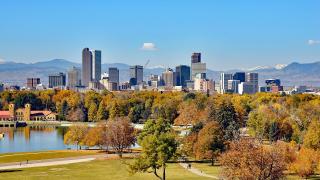
Denver has well over a hundred breweries. Wynkoop Brewing, in a historic warehouse in Lower Downtown, opened in 1988 as Colorado's first brewpub; one of its founders, John Hickenlooper, later became the city's mayor and the state's governor. Great Divide Brewing, founded in 1994, has a taproom in the Ballpark neighbourhood and a larger brewery in River North. The River North Art District, known as RiNo, and South Broadway each have enough breweries within a short walk to fill an evening.
If your timing is flexible, consider the Great American Beer Festival, held in Denver each autumn at the Colorado Convention Center. It is one of the largest beer festivals in the country, with hundreds of breweries pouring.
Tasting at altitude and staying safe
Denver sits at about 5,280 feet, and many mountain breweries are much higher. Visitors from low elevations often find that alcohol affects them more in the first days, partly because the dry air leaves people dehydrated. Use small taster glasses rather than full pints, alternate beer with water, eat while you drink and take the first evening easy.
Never drive after tasting. Colorado's impaired-driving laws are strict, and the Front Range has rideshares, taxis, buses and organised brewery tours with drivers. In Fort Collins and Boulder, cycling between taprooms is common, but cycling under the influence is also illegal and dangerous, so keep tastings small if you are riding.
If you combine breweries with mountain hikes, hike first and drink afterwards. Alcohol and altitude both affect balance and judgment, and dehydration makes altitude sickness more likely. Carry plenty of water on the trail, finish hikes before afternoon thunderstorms, and save the post-hike pint for when you are back in town.