
The Thin Air Wake-Up
The altitude hits you before you even step off the trail. At twelve thousand feet, the air is sparse, stripping away the comfort of sea level with every breath. Your lungs burn, a sharp, cold reminder that you have left the familiar lowlands behind. This is not a gentle introduction; it is a demand for attention.
You pause, gripping a granite outcrop to steady your breath. The air is thin, yes, but it is also crisp, cleansing the slate of your fatigue. For a moment, the only sound is the wind whistling through the pine needles, a stark, hollow whistle that contrasts sharply with the heavy, ragged intake of your own breath.
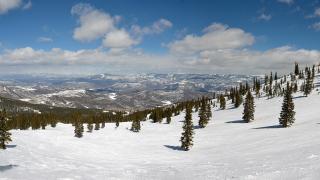
Yet, in that brief pause, the view opens up. The sky stretches out, vast and indifferent, offering a perspective that feels both humbling and electrifying. It is a quiet reward for the climb, a silent promise that the effort was worth the price of admission.
The Alpenglow Promise
Colorado’s high alpine zones are unforgiving, demanding a level of respect that casual hikers often overlook. The weather here is volatile, capable of shifting from bright, clear skies to violent, churning storms in a matter of minutes. This is why checking the forecast before you even tie your boots is non-negotiable.
Always scan the horizon for darkening clouds or sudden drops in temperature. If you hear the low, rolling rumble of thunder, do not wait to see if it gets worse; turn back immediately. The mountain’s power always outweighs human ambition, and no summit is worth your life.
Acclimatize properly and start early in the day to give yourself the best chance at a safe return. Your only metric for success should be getting back home in one piece. The trail will be there when you return, but you will only have one chance to experience it safely. Stay humble, stay alert, and remember that the view is only as good as the story of how you got home to tell it.
The Granite Test
Above 12,000 feet, the air grows thin and crisp, demanding a different kind of focus. This is not a gentle stroll; it is a rigorous test of endurance against the thinning atmosphere. You must respect the altitude, preparing for rapid weather shifts that can turn clear skies gray in mere minutes.
The climb to peaks like Mount Elbert or Mount Massive is as much a mental challenge as a physical one. Each step requires intentional focus, turning the ascent into a meditation on effort. The reward, however, is unmatched. Standing atop a 14,000-foot peak, the vastness of the state unfolds before you, shrinking the world below while expanding your sense of perspective.
This is the heart of Colorado: wild, raw, and deeply rewarding. But the real test begins on the descent. The mountain remains, waiting, but the moment to celebrate is fleeting. Savor the achievement, then start the careful journey back down. You have earned this view, and now you must carry that feeling forward, knowing you have truly lived in the high country.
The Summit’s Whisper
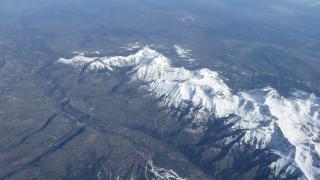
Crisp, thin air bites at exposed skin, a sharp reminder that you have left the familiar world behind. The silence here is not empty; it is heavy, pressing against your eardrums with the weight of ancient rock. Standing above the tree line, the jagged spine of the Rockies stretches out, a rugged spine of stone and ice that demands respect.
Your heart beats in time with the thin air, filling your lungs with a chill that feels less like cold and more like clarity. The noise of the world below dissolves, replaced by the quiet hum of wind against granite. In this high, thin air, you are both insignificant and infinite, a small pulse in a vast, ancient landscape.
This is not a finish line, but a threshold. The summit is not an end, but a beginning. You are here. You are alive. The mountain speaks, and for the first time, you are listening.