Aspen in winter, beyond the ski runs
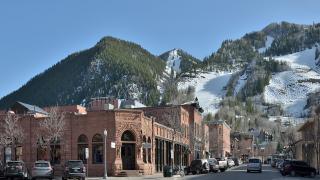
Aspen sits at about 7,900 feet at the head of the Roaring Fork Valley, and from December to early April it is a ski town first. But you do not need to ski to enjoy a winter visit. The town has a compact Victorian core, a mining history that is easy to explore on foot, a long-running winter festival and miles of free Nordic trails. Expect cold nights, often well below freezing, and bright, dry days when the sun at this altitude feels warm even in January.
Ride the Silver Queen Gondola
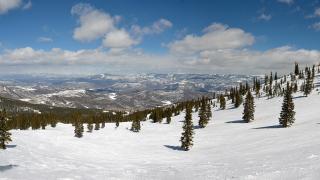
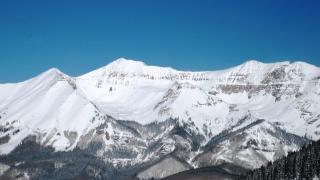
The Silver Queen Gondola, opened in 1986, leaves from the base of Aspen Mountain at the edge of downtown and climbs to the 11,212-foot summit in about fifteen minutes. Non-skiers can buy a sightseeing ride in winter, and it is worth doing on a clear day. At the top, the Sundeck restaurant has big windows and a terrace looking across to the Elk Mountains, including the Maroon Bells area to the southwest and the peaks of Highlands and Snowmass. Wear your warmest layers; the summit is often 10 to 15 degrees colder than town and windier.
The gondola's name is a nod to the mountain's past. Aspen Mountain was riddled with silver mines before it was a ski area, and the gondola line runs over ground that was once worked by miners.
Silver boom and revival: walking Aspen's history
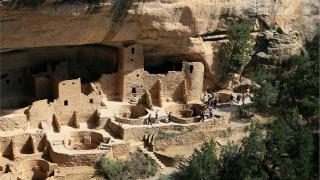
Aspen began as a silver camp in 1879. Within a decade it had railroads, electric lights and some of the richest silver mines in the country, and two of the buildings that still define downtown date from that boom: the Wheeler Opera House and the Hotel Jerome, both built in 1889. The boom collapsed in 1893, when the repeal of the Sherman Silver Purchase Act crashed silver prices, and the town shrank to a few hundred residents over the following decades.
Aspen's second life began in the 1940s, when skiing arrived and the industrialist Walter Paepcke and his wife Elizabeth set out to make Aspen a cultural centre. Aspen Mountain opened as a ski area in the 1946–47 season, and the Goethe Bicentennial festival the Paepckes organised in 1949 led to the founding of the Aspen Institute. The Aspen Historical Society runs walking tours of downtown and the West End in winter, and its Wheeler/Stallard Museum, in an 1888 Victorian house, is a good indoor stop on a cold afternoon. Check its winter schedule, as hours are shorter than in summer.
Wintersköl
Wintersköl is Aspen's winter carnival, held each January. It was started in 1951 by Jack DePagter, a local bartender and lodge owner, to bring people to town during the quiet weeks after Christmas. The name comes from the Scandinavian toast "skål", but the festival is homegrown Aspen, not an imported tradition. Over a long weekend it usually includes a fireworks show over Aspen Mountain, a torchlight descent by ski instructors, community events such as soup and snow sculpture contests, and a parade-style celebration downtown. The programme changes from year to year, so check the Aspen Chamber's listing for the current dates and events.
Nordic skiing, snowshoeing and quieter days
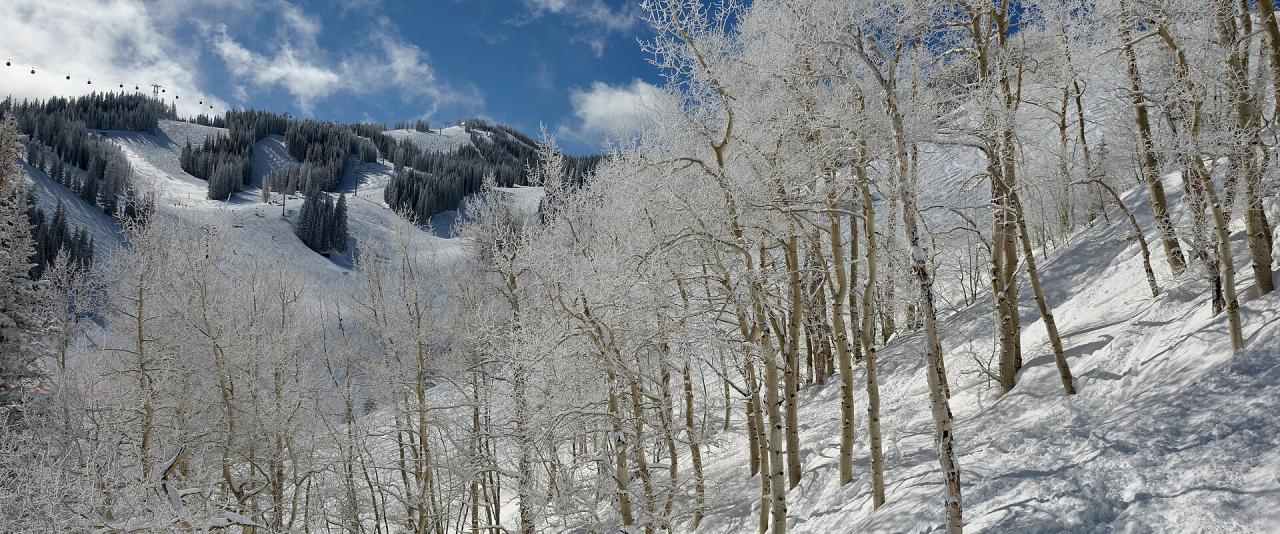
The Aspen and Snowmass area has around 90 kilometres of groomed cross-country trails, most of them free to use, maintained by the Aspen Snowmass Nordic Council. The Aspen Golf Course and Moore Open Space trails near the edge of town are flat and easy, and you can rent classic or skate gear at the Nordic centre there. Further up Castle Creek Road, the Ashcroft Ski Touring area grooms trails through a quiet valley near the old mining camp of Ashcroft; it charges a trail fee, and the Pine Creek Cookhouse at the end of the road is a popular lunch stop reached by ski or snowshoe.
For a guided outing, the Aspen Center for Environmental Studies runs naturalist-led snowshoe tours on Aspen Mountain and Snowmass in winter, which explain how animals and plants survive at altitude. Its Hallam Lake nature preserve, a short walk from downtown, is a quiet place for a stroll among the trees.
Warming up and practical tips
When the cold gets to you, Aspen has plenty of places to thaw out: hotel lobbies with fireplaces, the bar at the Hotel Jerome, and coffee shops throughout the core. Many visitors finish the day with a hot drink by a fire after sunset, which in midwinter comes before 5 p.m.
Pack proper winter boots with good tread, because sidewalks can be icy, and use sunscreen and sunglasses even on cold days; the high-altitude sun reflects off the snow. The airport is just outside town, but flights are sometimes delayed or diverted in winter weather, and the drive over Independence Pass from the east is closed all winter. From Denver, the winter route is I-70 to Glenwood Springs and then Highway 82 up the valley.