Snowmass at a Glance
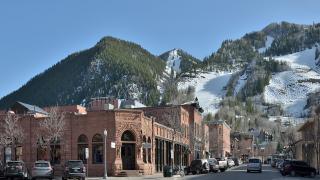
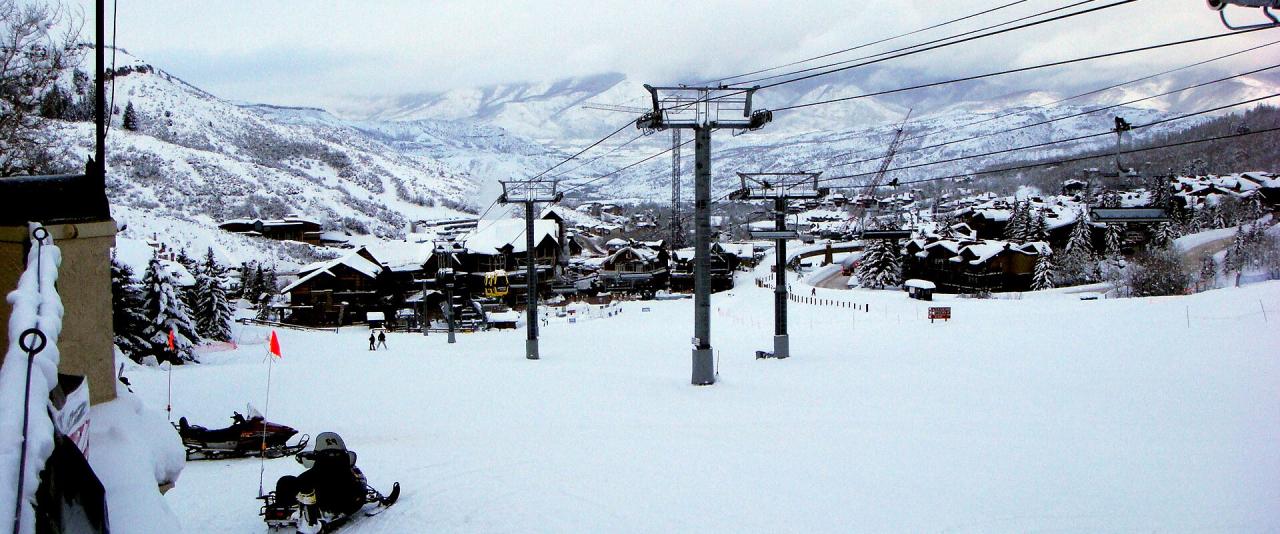
Snowmass is the largest of the four ski areas run by Aspen Snowmass, set above Snowmass Village about 20 minutes' drive from downtown Aspen. Where Aspen is a historic mining town with a mountain above it, Snowmass was built in the late 1960s as a purpose-built ski resort, and most of its lodging sits right on or near the slopes. That makes it popular with families and groups who want to walk to the lifts.
The ski area covers more than 3,000 acres and has one of the largest vertical drops in the United States, over 4,000 feet from the summit to the lowest lift. The same lift ticket covers Aspen Mountain, Aspen Highlands and Buttermilk, and free buses link Snowmass Village with Aspen.
Skiing: Terrain for Every Level
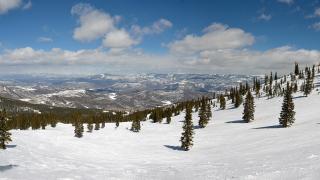
Snowmass's size means there is room for everyone, and most of its terrain is intermediate.
- Beginners have dedicated learning areas near the base, along with gentle, long green runs higher up the mountain. Children's ski school operates from the Treehouse Kids' Adventure Center at Base Village.
- Intermediates have the most choice: wide, groomed blue runs across Big Burn, Elk Camp and Sam's Knob. Big Burn, named for an old forest fire, is a broad, open area of gentle cruising terrain.
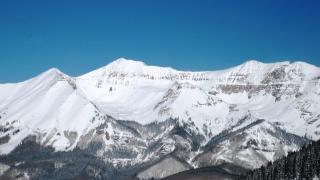
- Advanced and expert skiers head to the steeper terrain at the top of the mountain, including the Hanging Valley area and the Cirque, which is served by one of the highest lifts in North America, reaching about 12,500 feet.
The Elk Camp area is especially good for families, with mellow runs, a gondola from Base Village and a lodge for lunch. Snowmass also has terrain parks for different abilities.
Off the Slopes in Winter
Non-skiing options in Snowmass Village include snowshoeing, cross-country skiing on the free Nordic trails in the area, and seasonal ice skating at Base Village. Evening activities have included guided snowshoe walks and dinners at on-mountain restaurants reached by snowcat or gondola. Check what is running during your stay, as schedules vary by season.
Summer: Hiking, Biking and Family Activities
Snowmass is also busy in summer. The Elk Camp Gondola carries hikers and mountain bikers up the mountain, and there is a lift-served bike park for riders of different abilities.
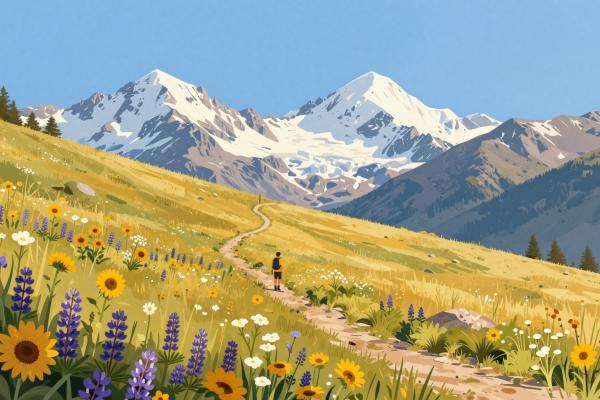
Popular hikes include the Rim Trail, which follows a ridge above the village with views of the surrounding peaks and valleys, and trails across the mountain that lead to wildflower meadows in July. The Snowmass Village trail system connects with longer routes toward Aspen. Hikers with more experience can head into the Maroon Bells-Snowmass Wilderness, which surrounds the area, but these routes are long and high and need proper preparation.
For children, Lost Forest at Elk Camp has summer activities such as the Breathtaker alpine coaster, a climbing wall and a canopy tour. Opening dates and the list of activities change from year to year, so check before you go.
Snowmass Village
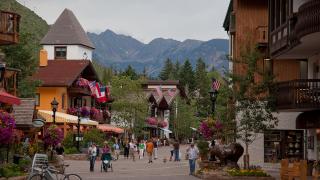
The village has two main hubs. Snowmass Mall, the original center, has shops, restaurants, ski rental stores and lodging along the slopes. Base Village, newer and lower on the mountain, has restaurants, the Treehouse kids' center, the skating area and a plaza that hosts events.
Dining ranges from coffee shops and casual pizza to sit-down restaurants, and there are a few places to buy local crafts and art. For a wider choice, especially in the evening, Aspen is a short bus ride away. In summer, Snowmass hosts outdoor concerts and festivals, while Aspen's music festival and cultural events are close by.
Planning Tips
- Getting there: Aspen/Pitkin County Airport is about 15 minutes' drive away. From Denver, allow about four hours by road via I-70 and Glenwood Springs, or longer in winter weather.
- Getting around: Free village shuttles connect lodging, the mall and Base Village, and RFTA buses link Snowmass with Aspen. You can manage a ski trip without a car.
- Altitude: Snowmass Village sits at around 8,000 to 9,000 feet, and the ski area rises above 12,000 feet. Take your first day easy and drink plenty of water.
- Timing: Ski season usually runs from late November to mid-April. Summer activities generally run from June to September, with wildflowers peaking in July.