Colorado's Northeastern Corner
Sedgwick County is the far northeastern corner of Colorado, a strip of farmland along the South Platte River where the state meets Nebraska. It is one of Colorado's least populated counties, and most travelers pass through on Interstate 76 without stopping. Yet this small area played an outsized role in the history of the Western trails, the Plains Wars and the transcontinental railroad.
The county was created in 1889 from part of Logan County. It takes its name from Fort Sedgwick, the army post that once stood here, which in turn was named for Major General John Sedgwick, a Union commander killed at the Battle of Spotsylvania in 1864. The county seat is Julesburg, the largest town. The small town of Sedgwick, with a population of around 200, lies southwest of Julesburg, beyond Ovid, along the South Platte and the railroad.
Trails Along the South Platte
The South Platte valley was a natural highway across the plains. In the 1850s and 1860s the overland trails to Denver and beyond followed the river, and a road ranch and stage station grew up at a crossing point near today's Julesburg. It took its name from Jules Beni, the station's agent. In 1860 and 1861 the station served the Pony Express, and it is remembered as the only Pony Express home station in what is now Colorado.
In 1864, during rising conflict with the Cheyenne, Lakota and Arapaho, the army built a post nearby called Camp Rankin. It was later renamed Fort Sedgwick. After the Sand Creek Massacre of November 1864, in which Colorado troops killed more than 150 Cheyenne and Arapaho people, many of them women and children, warriors struck back along the South Platte. In early 1865 they raided the Julesburg area twice, and on the second raid burned the original town. Fort Sedgwick remained in service until 1871 and was then abandoned. Nothing remains of it today; a marker indicates the site.
The Four Julesburgs and the Railroad
Julesburg moved several times, and locals still talk about the "four Julesburgs." After the first town burned, a second grew up near the fort. In 1867 the Union Pacific Railroad reached the area as it built west across Nebraska, and a third Julesburg sprang up beside the tracks as a short-lived, rowdy end-of-track town before the construction crews moved on.
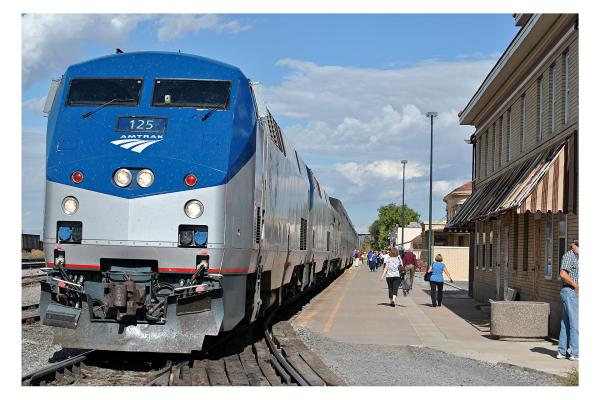
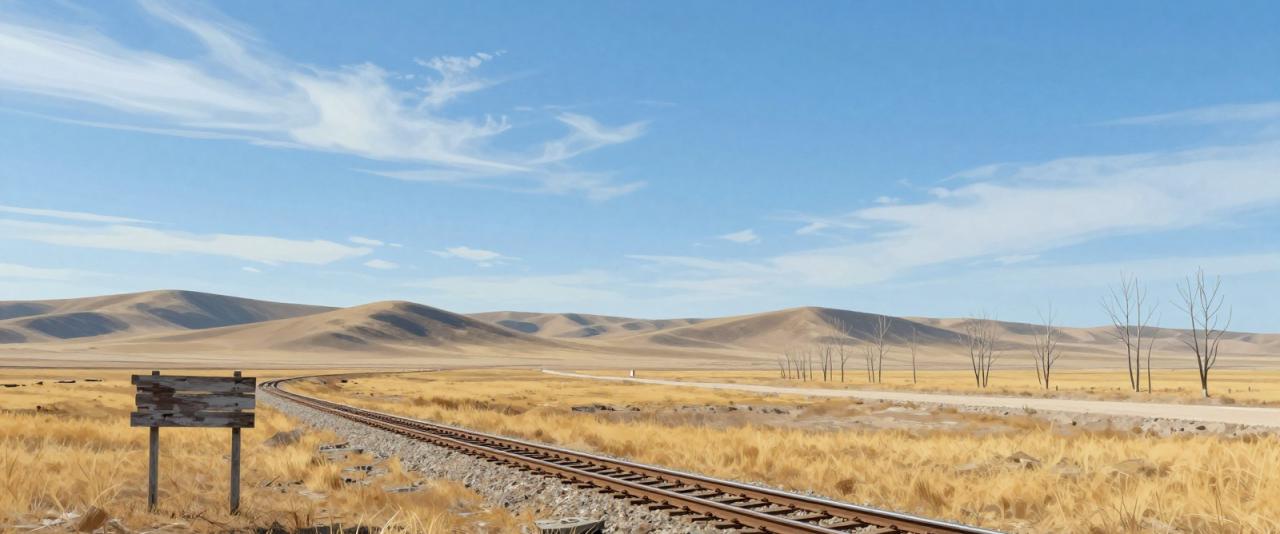
The present Julesburg was laid out in the 1880s at the junction where a Union Pacific branch line split off toward Denver, and it was first called Denver Junction before taking back the old name. The railroad shaped the whole county: towns such as Ovid and Sedgwick grew along the line as shipping points for cattle, grain and, later, sugar beets, and farming remains the backbone of the local economy.
Museums and Sites to Visit
The volunteer-run Fort Sedgwick Historical Society operates two museums in Julesburg, both with free admission:
- Fort Sedgwick Museum, on East 1st Street, covers the fort, the Pony Express and the history of the four Julesburgs.
- Depot Museum, in the restored Union Pacific depot on West 1st Street, displays railroad, agricultural and Native American history. It has typically opened from Memorial Day to Labor Day.
Because both rely on volunteers, call ahead to make sure a docent will be there.
The South Platte River Trail Scenic and Historic Byway is a short loop of country roads near Julesburg that passes the sites of the old towns, the fort and trail crossings, with interpretive signs along the way. It is a good way to see the landscape the trails crossed.
Small-Town Life Today
Sedgwick County today is a place of irrigated fields along the river, dryland wheat on the uplands, grain elevators and quiet main streets. The town of Sedgwick is small, with a handful of businesses, churches and the grain elevators beside the tracks. Julesburg has the county courthouse, the museums and most of the services, including fuel, food and lodging.
Planning a Visit
Julesburg is about three hours northeast of Denver on I-76, just south of the Nebraska line. A visit pairs naturally with a drive across the plains on the old trail routes, or with nearby stops in Nebraska such as the Ash Hollow area and other Oregon Trail sites. Summers are hot and thunderstorms can be severe on the plains; spring and autumn are the most pleasant times to explore. Check museum hours before making a special trip, especially outside the summer season.