
Whispers in the Granite: A Welcome
The air at high altitude does not just feel thin; it feels sharp, biting at exposed skin with a chill that wakes the body before the mind is ready. Yet, beneath that physical chill lies a different weight: the quiet. Colorado’s high country is home to over 1,500 ghost towns, though fewer than 640 retain enough structure to be recognized as ruins. Standing before the weathered remains of these places, one feels the gravity of history. It is not merely a visit to old buildings; it is a quiet encounter with the past, anchored in the stone and silence of the mountains.
The Silver Line: Ancestral Roots and Ancient Stones
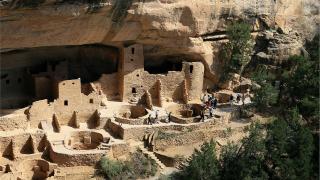
The stone here holds deep time. Long before the frenetic energy of the 1870s mining boom, the land was known to the Ute people, who navigated the alpine terrain with an intimate, generational knowledge of the landscape. They read the land like a well-worn map, understanding its rhythms in a way that modern logistics often miss.
When prospectors later arrived, chasing the glitter of silver and gold, they laid their rough timber structures over this ancient foundation. Today, the landscape remembers both the ancient stewards and the transient miners. The layering of history is palpable. The stone holds the memory of those who came before, holding the weight of their ambitions in the crevices of the rock. The wind that whispers through the high passes carries the echoes of all who walked here, weaving a complex tapestry of human history into the stone.
Echoes of the Gold Rush: Eureka and Ancestral Peaks
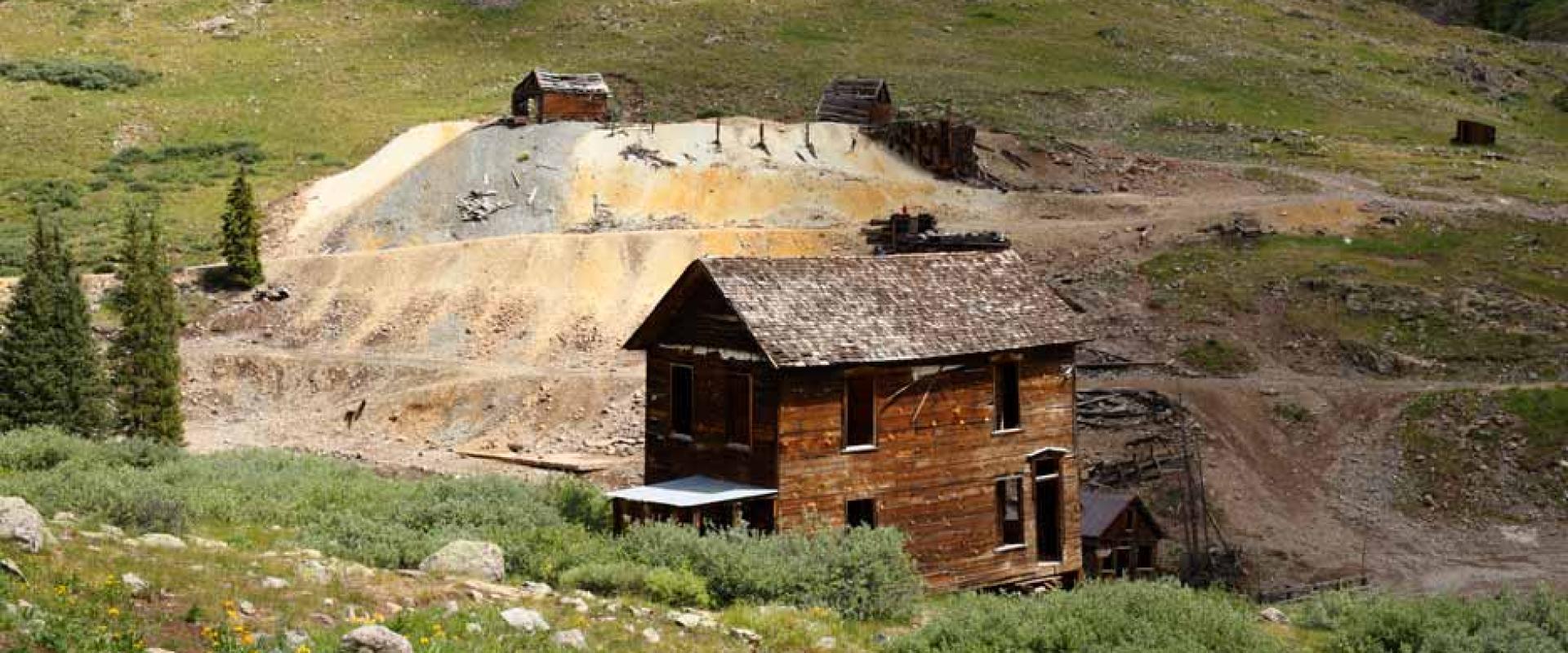
The silence in the high country is heavy, pressing against the rotting eaves of abandoned structures. At the town of Eureka, the silence is particularly loud. It is a hollow, hollowing sound. Unlike the bustling hubs of the past, the buildings here stand empty, their windows gaping like hollow eyes. Wood rots and metal rusts, surrendering slowly to the elements, but the structure remains a stark reminder of the transient nature of human endeavor.
This is not a place for the faint of heart, but for the historian, it offers a profound lesson. The decay is not a failure; it is a return. The gold was taken, but the land remains, enduring and silent. The true value of this place is not in the wealth extracted, but in the memory of the attempt, etched into the stone and wood that still stand guard.
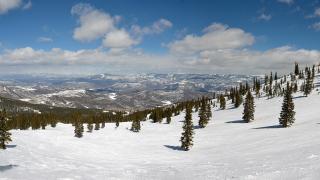
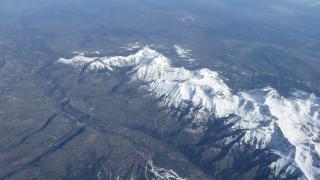
The air grows thinner as you climb, a stark reminder that the high country demands respect. At elevations reaching 12,000 feet, the temperature drops sharply. The cold bites through layers, a physical reminder that the environment is indifferent to human comfort.
Navigating these trails requires care. The terrain is rugged, and conditions can shift from calm to hazardous in minutes. The 1,000+ historic structures, such as the ruins near Ancestral, stand as silent witnesses, but the path to reach them is unforgiving. It is crucial to stay on marked trails. This protects not only the fragile alpine ecosystem, with its slow-growing vegetation, but also your own safety. The terrain here is deceptive; what looks like a solid path may hide loose scree or hidden drop-offs.
Plan your route with care. Check the weather forecast, for the alpine climate is volatile. A sunny morning can turn into a freezing, stormy afternoon in a matter of hours. Bring warm layers, even in summer. Respect the land, for it is the only thing that will remain when you are gone.
The Final Step: A Respectful Farewell
The wind still whispers through the eaves, a gentle reminder of the vastness surrounding you. As you stand there, the granite beneath your feet feels ancient and unyielding, a stark contrast to the fleeting nature of human presence. Eureka and Ancestral have witnessed centuries of change, standing as silent sentinels to the passage of time.
This is where the true weight of the high country settles in. Here, the stone does not just support; it endures. It is a quiet reminder that while we are transient visitors, the land remains constant. To honor this, we must tread lightly, leaving only the faintest trace of our passage.
In exchange for this privilege, the land offers something precious: peace. It is not the absence of sound, but a profound stillness that settles into the bones. This is the gift offered by the wild, a moment of clarity that asks for nothing in return. Go gently, for the mountains remember even those who seek to leave no trace.