Why Grand Junction
Grand Junction is the largest city on Colorado's Western Slope, set in the Grand Valley where the Gunnison River joins the Colorado. At about 4,600 feet it is warmer and drier than the mountain towns, with red rock canyons on one side of the valley and the long, flat-topped Book Cliffs on the other. It makes a practical base for Colorado National Monument, the fruit and wine country around Palisade, the Grand Mesa and the mountain bike trails around Fruita.
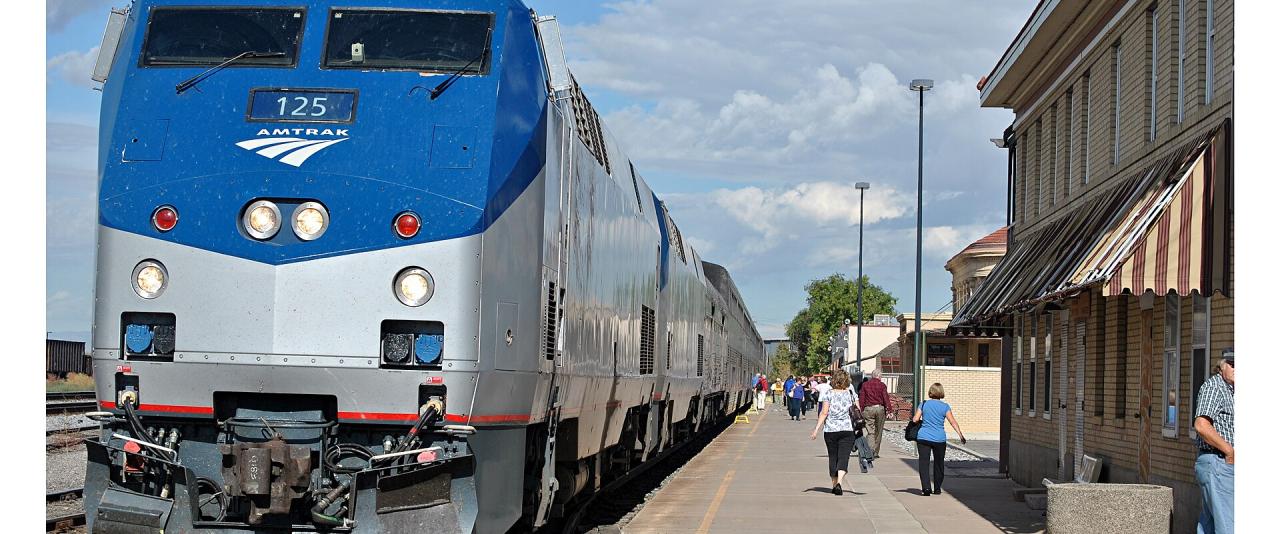
Interstate 70 runs through town, Amtrak's California Zephyr stops here, and Grand Junction Regional Airport has direct flights to Denver and several other hubs.
Rim Rock Drive and Colorado National Monument
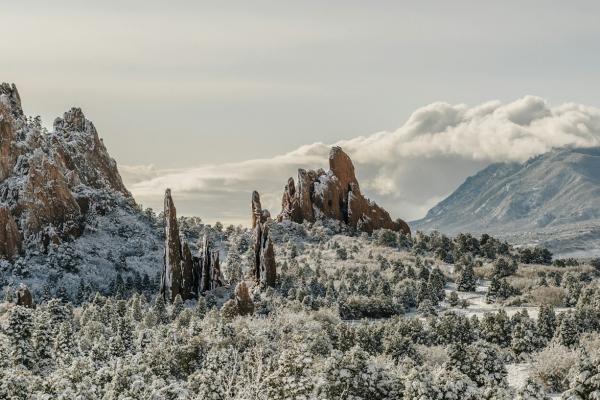
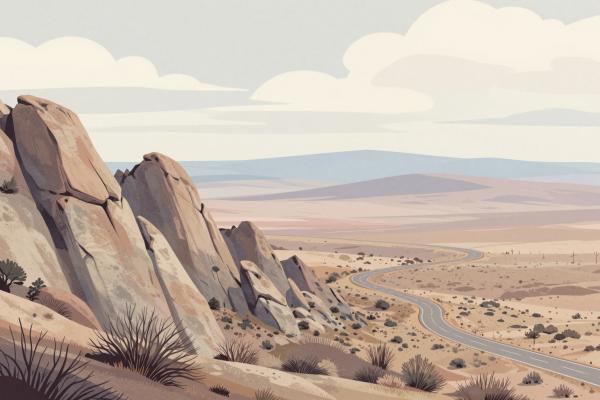
The city's signature sight sits just to the west. Colorado National Monument protects a series of sheer-walled red sandstone canyons cut into the edge of the Uncompahgre Plateau, and Rim Rock Drive runs about 23 miles along the canyon rims between the east entrance near Grand Junction and the west entrance near Fruita. The road was built in the 1930s, partly by Civilian Conservation Corps crews, and includes several tunnels and steep switchbacks.
Pull-offs along the way overlook the canyons and freestanding rock towers, including Independence Monument, the most famous of them. Short walks, such as the trails near the visitor center at the Fruita end, lead to more viewpoints, while longer trails descend into the canyons. Allow at least two to three hours to drive the road with stops.
Late afternoon and sunset are the best times for light on the rock, and early morning is the coolest time to hike in summer. Bighorn sheep are sometimes seen on the cliffs. There is an entrance fee per vehicle, and national park passes are accepted.
On the Colorado River
The Colorado River runs right through the city, and the Riverfront Trail, a paved path, follows it for miles through parks and wetlands, linking several sections of James M. Robb–Colorado River State Park. It is good for walking, cycling and birdwatching.
For paddling, the easiest water is in the state park's lakes and the calm stretches of river through the valley, where outfitters rent kayaks and stand-up paddleboards in summer. The best-known float trip starts west of town at Loma and runs through Ruby and Horsethief Canyons, a mostly calm stretch of river between red sandstone walls that can be done as a long day or an overnight trip. Overnight camping in the canyons requires a permit from the Bureau of Land Management. Check flows before you go; spring runoff makes the river faster and colder.
Downtown Dining and Drinks
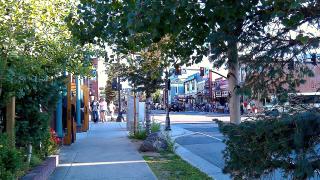
Grand Junction's downtown centers on Main Street, a tree-lined, walkable street of restaurants, coffee shops, bars and independent shops. Within a few blocks you can find everything from casual brunch places to restaurants that build their menus around Western Slope produce, beef and lamb. There are several breweries in and near downtown, and many restaurants serve local beer and Colorado wine.
The valley's farming shapes the food. Palisade, about 15 minutes east, is known for its peaches, which are in season from roughly July to September, and the surrounding vineyards are part of the Grand Valley wine region, which has dozens of tasting rooms. Many visitors ride bikes along the fruit and wine byway between Palisade's orchards and wineries; take water, as summer afternoons are hot.
Art and Museums
Downtown has a long-running public sculpture program, Art on the Corner, which has placed dozens of sculptures along Main Street and the surrounding blocks. Some are permanent, others are on loan and rotate. Walking the street to find them is an easy way to fill an hour. There are also several galleries and art spaces in and around downtown.
The Museums of Western Colorado run the Museum of the West downtown, which covers the region's history from early Indigenous peoples through ranching and uranium mining, and Dinosaur Journey in nearby Fruita, which focuses on the dinosaur fossils found in the area.
Practical Tips
Summer brings daytime highs well into the 90s Fahrenheit. Plan hikes and rides for early morning, and carry plenty of water anywhere in the monument. Spring and autumn are the most comfortable seasons; autumn also brings the grape harvest and good weather on the Grand Mesa, which rises to over 10,000 feet about an hour east of town and offers forests, lakes and cooler temperatures when the valley is hot.