

The Route: Flattop Mountain From Bear Lake
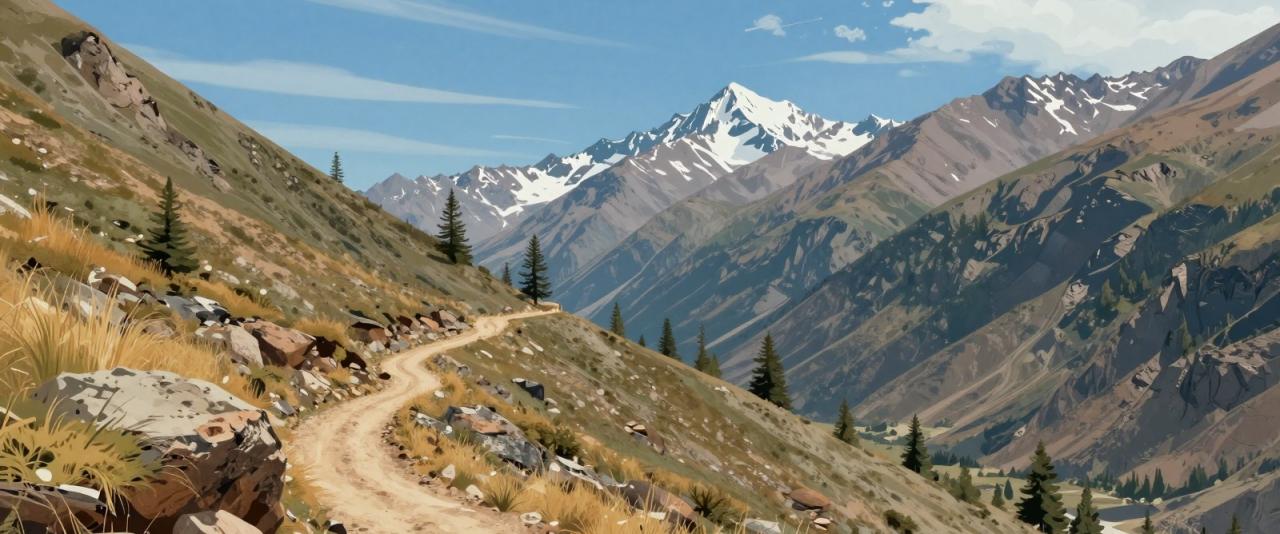
The most accessible way to stand on the Continental Divide in Rocky Mountain National Park is the Flattop Mountain Trail. It starts at the Bear Lake trailhead at about 9,475 feet and climbs to the broad summit of Flattop Mountain at 12,324 feet, where the waters split between the Atlantic and Pacific drainages. The hike is about 4.4 miles each way with roughly 2,800 feet of elevation gain. It is a maintained trail the whole way, with no technical sections, but it spends more than two miles above treeline and should be treated as a serious day out.
Strong hikers often add Hallett Peak (12,713 feet), the pyramid-shaped summit that rises above Dream and Emerald Lakes. It adds roughly another half-mile to three-quarters of a mile each way and about 400 feet of climbing over loose rock.
What the Hike Is Like
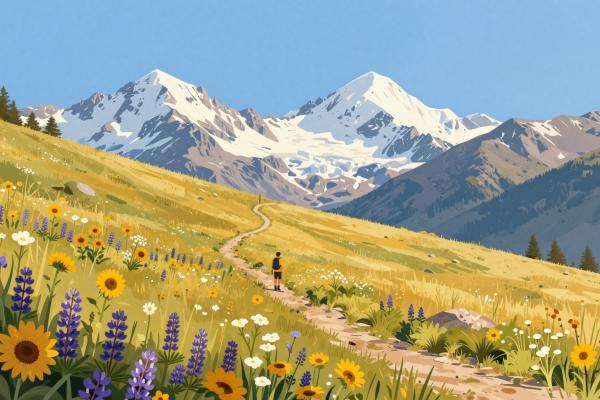
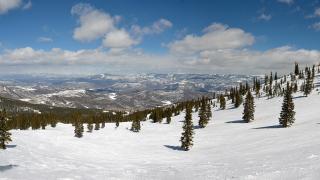
From Bear Lake, follow signs toward Bierstadt Lake and Flattop Mountain, then branch onto the Flattop Mountain Trail. The first section climbs through spruce and fir forest with switchbacks, passing a viewpoint over Dream Lake. Higher up, the trees thin and shrink into twisted, wind-shaped krummholz before giving way to open tundra.
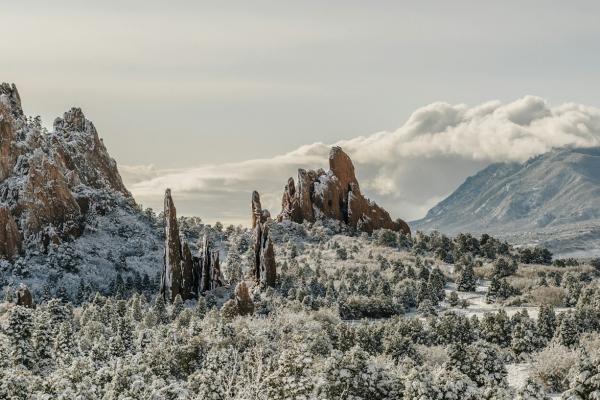
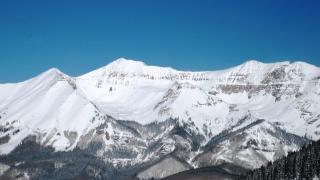
The next stretch is the most scenic. The trail passes the Emerald Lake Overlook, then climbs along the edge of Tyndall Gorge, with views down to Emerald Lake and across to the cliffs of Hallett Peak. The Tyndall Glacier, a small glacier, fills the head of the gorge between Flattop and Hallett. Keep well back from its edge and the cornices above it.
The final section climbs gently across rocky tundra to Flattop's summit. There is no dramatic peak here: the top is a broad, rolling plateau marked by trail signs. This is the actual Divide. To the west, the Tonahutu Creek and North Inlet trails drop toward Grand Lake, which some very fit hikers use to cross the park in a single long day of about 16 miles, arranging transport back from the west side.
For Hallett Peak, head southwest from the summit area along the Divide, keeping the gorge on your left. There is no formal trail, just cairns and a worn path across talus. The boulders are loose and can shift underfoot, so test each step and keep your hands free. From the summit you look straight down Hallett's north face to Emerald Lake.
Reading the Sky
Weather is the main hazard on this route. In summer, thunderstorms build over the Divide on most afternoons, often by late morning. Above treeline there is nowhere to shelter, and lightning strikes on exposed ridges and summits are a real danger.
- Start early. Most experienced hikers leave Bear Lake by 6 a.m. or earlier, aiming to be on the summit by mid-morning and back below treeline by noon or soon after.
- Watch the clouds. Puffy clouds growing taller and darker over the peaks are a warning sign, even if the sky above you is still blue.
- Turn around. If you hear thunder, see lightning or feel the hair on your arms stand up, descend immediately. The summit will still be there.
Wind is also a factor. Gusts on the Divide can be strong enough to make walking difficult, and wind combined with rain can bring on hypothermia even in July.
Gear and Preparation
The trail is non-technical in summer, but the elevation and exposure call for proper preparation:
- Layers: a moisture-wicking base, a warm fleece or puffy jacket, a waterproof shell, a hat and gloves. Temperatures on top can be 20 degrees or more colder than at the trailhead.
- Water and food: at least two to three liters of water and enough food for a long day. There is no reliable water above treeline.
- Sun protection: sunglasses, sunscreen and a hat; UV exposure at 12,000 feet is intense.
- Footwear: sturdy hiking boots or trail shoes with good grip, especially for the rocky ground near Hallett.
- Navigation: a map and downloaded route. In cloud or fog, the flat summit plateau can be disorienting.
Snow lingers on parts of the upper trail into June and returns by October, and the gorge's edge can hold dangerous cornices. Outside of midsummer, check conditions with the park and carry traction devices.
Acclimatize First
Flattop is not a good first-day hike. Spend at least a day or two at elevation and do a shorter hike, such as Emerald Lake, before trying it. If you develop a strong headache, nausea, dizziness or unusual fatigue on the way up, turn back; descending is the most effective treatment for altitude sickness. Also check whether the park's timed-entry reservations for the Bear Lake Road corridor apply on your dates, since an early start depends on getting in.