
Breathing the Thin Air
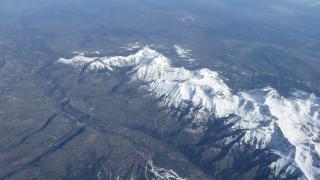
The transition from the valley floor to the high country is not merely a change in elevation; it is a shift in atmosphere. As you ascend, the air grows thinner, a physical reality that strips away the comfort of the lower elevations. Rocky Mountain National Park does not offer easy access to its grandeur. It demands respect.
Sudden changes in weather can turn a pleasant hike into a challenge within minutes. One moment, the sun might be warm on your neck; the next, a cold wind could sweep down from the peaks. This is not a place to rush. The ancient rocks do not hurry, and neither should you. Take your time. Hydrate frequently. Listen to your body’s signals. If you feel unwell, stop. The trail will wait for you, but your health is the priority. Treat this experience as a reverent exploration, not a race to the top.
Whispers of the Ute and the Pioneer
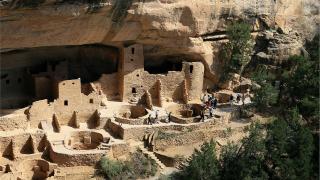
The silence here is not empty; it is layered with history. Long before the first Euro-American pioneers arrived in the late 19th century, the Ute people navigated these high alpine trails. To them, the land was not a barrier but a map, read through the subtle signs of the landscape. Their paths were not mere trails, but vital trade routes connecting distant valleys, woven into the fabric of the land with the same care as the roots of the aspen trees.
When the first settlers arrived, driven by the promise of gold and timber, they followed these same rugged corridors. They did not create the path so much as they discovered it, following the ancient arteries of the mountains. Today, as you hike through the subalpine zones, you are walking on ground steeped in that dual history. The silence you hear is not void; it is the quiet hum of human endeavor and indigenous heritage, layered together. To truly experience this place, one must listen to the wind as it moves through the stone, hearing the echoes of those who came before.
The Alpine Ascent: Tundra and Granite
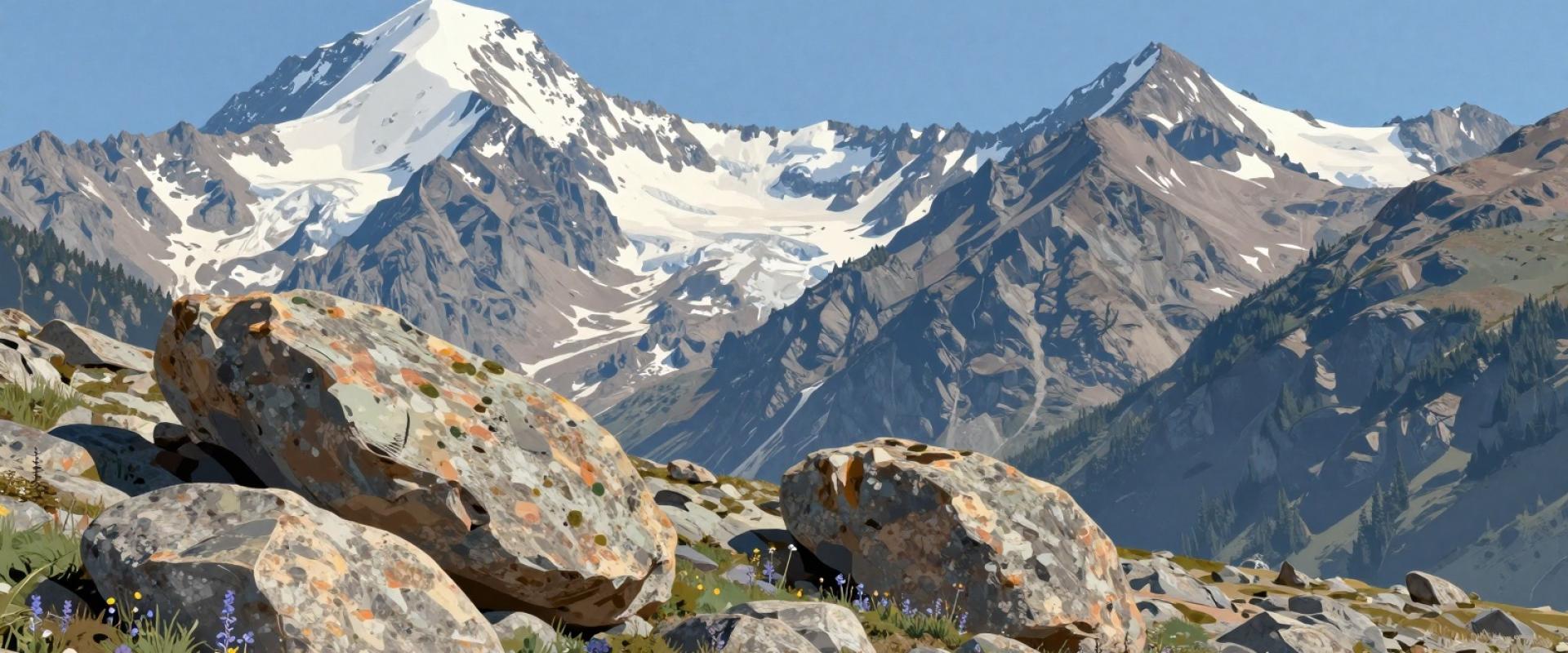
Above the timberline, the world changes. The protective canopy of trees gives way to a stark, rugged expanse where the sky feels closer and the air thinner. This is the alpine zone, a landscape defined by its harsh beauty. Here, the weather is not just a backdrop; it is an active participant. A sunny morning can turn into a storm-laden afternoon in the span of an hour, with wind and ice descending rapidly from the peaks.
This is not a place for casual strolling. The terrain is rugged, demanding sturdy boots with ankle support and layered clothing that can handle sudden drops in temperature. Even in the height of summer, the high altitude can bring a chilling cold. The beauty of the alpine tundra is striking, with wildflowers blooming in brief, vibrant bursts during the short summer, only to retreat with the first hint of frost.
Navigating this environment requires caution. The landscape is fragile, and the delicate alpine flora can take decades to recover from damage. Stay strictly on marked trails. Protect the ecosystem by keeping your feet on the path, preserving the delicate balance that allows these unique plants to thrive. The challenge is real, but the reward is a perspective on the high country that is both humbling and awe-inspiring.
The character of the park shifts with the seasons, each offering a distinct experience. Summer transforms the alpine zones into vibrant, living landscapes, but the thin air at high elevations demands careful planning. The park service requires timed entry reservations during the peak months, a non-negotiable rule designed to manage the flow of visitors and protect the environment.
Hikers must remain vigilant. A sunny morning can quickly turn into a rain-soaked afternoon, and the heat at lower elevations can contrast sharply with the cool, thin air on the high peaks. It is essential to check the forecast and current trail conditions online before heading out. Prepare for the worst, even if you hope for the best.
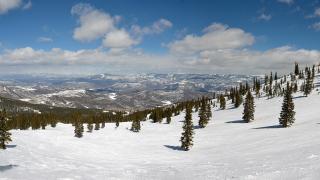
As autumn approaches, the landscape transforms again. Larch trees turn gold, and the air turns crisp and clear. This is a magical time for hiking, yet the cold arrives quickly. Winter approaches with little warning, bringing the threat of early snow. Always check the latest trail status and be prepared for sudden changes in weather. Respect the power of the elements, for they are always in control.
The Practical Hiker: Gear and Caution
At 10,000 feet, the environment is unforgiving, and preparation is your best defense. Dehydration is a silent but immediate risk in the dry, high-altitude climate. Even if you do not feel thirsty, you are losing fluids. Carry extra water, more than you think you need, and drink regularly.
Your gear should be as reliable as the trail is demanding. Sturdy boots with ankle support are essential for the uneven, rocky terrain. Layering is crucial; wear lightweight, moisture-wicking layers that can be added or removed as your body temperature changes. A lightweight, waterproof rain jacket is non-negotiable, as mountain storms can appear with little warning.
Respect the wildlife. Keep a safe distance from all animals, including the ubiquitous elk and bighorn sheep. Do not feed them, and store your food properly to avoid attracting bears. This is not a zoo; it is a wild, living ecosystem. Treat it with the respect it deserves, and you will be rewarded with an experience that is both safe and unforgettable.