
The Whisper of Alpine Tundra
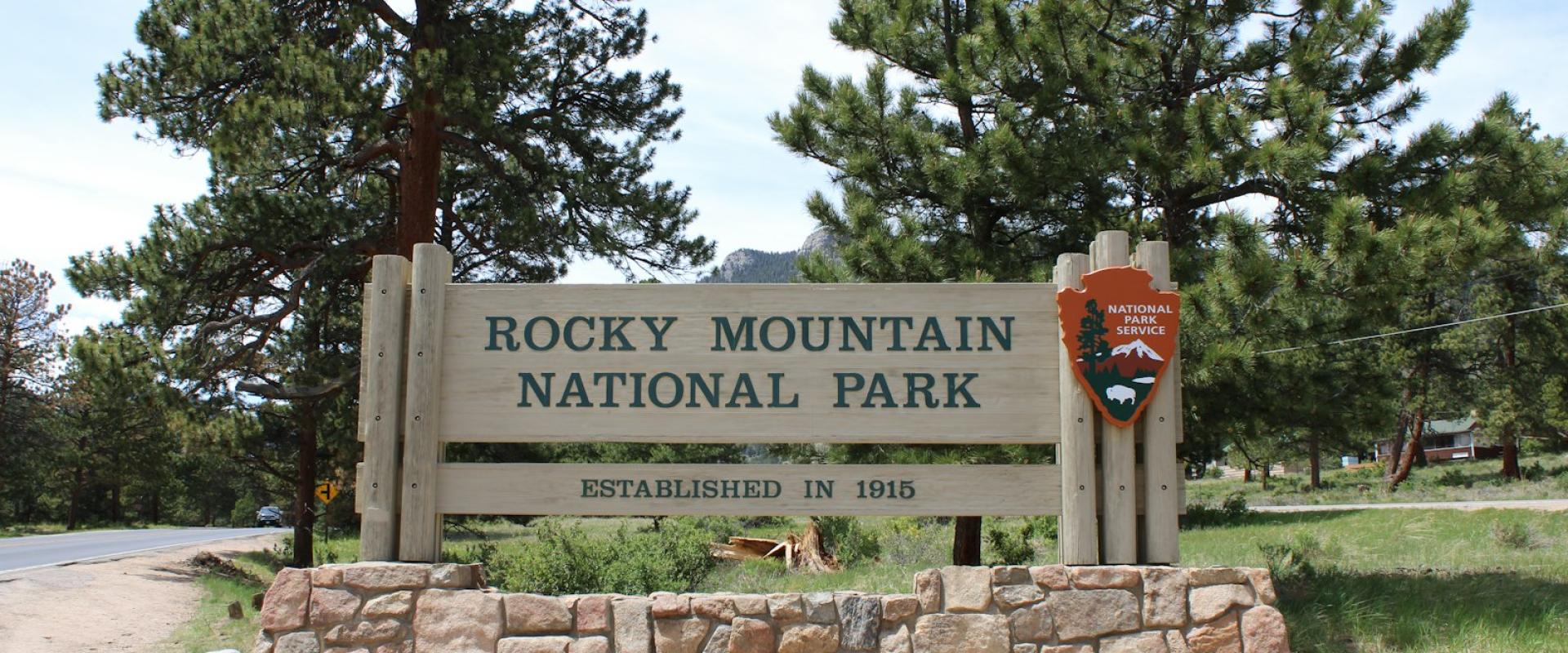
The air thins the moment you cross the tree line, turning every breath into a conscious, deliberate effort. Rocky Mountain National Park does not offer gentle entry; it demands respect through its vertical majesty. At 7,800 feet, the landscape begins its steep ascent, culminating in peaks that pierce the sky with a silent, imposing authority.
In the summer, the alpine zone awakens, yet the conditions remain volatile and unforgiving. The transition from the forest floor to the exposed ridgeline is not merely a change in elevation, but a shift in atmosphere. You must check trail conditions for the Chasm Lake path or the ascent of Longs Peak, where weather can shift from serene to hostile in a matter of minutes. This is not a casual walk; it is a high-altitude commitment. The mountain does not compromise, and neither should you, when planning your approach.
Whispering Granite: The Emerald Trail
Granite looms here, silent and immovable, framing the high alpine basin in a stark, ancient beauty. Hiking to Emerald Lake is less a stroll and more of an ascent into a realm that feels older than memory. The trail, though well-maintained, demands respect. Steep gradients challenge your legs as you climb, pulling you out of the dense, cool forest and into the exposed, wind-swept upper elevations.
Dense forest surrounds the path, but the air cools as you gain elevation, sharpening your focus. You are no longer just walking; you are engaging in a quiet dialogue with the stone. The destination, a turquoise lake nestled beneath the shadow of Chasm Peak, offers a serene reward, but the journey itself is the true test. It is a commitment to endurance, a reminder that in the high country, every step is a testament to human perseverance against the immutable landscape.
The Alpinist’s Compass
This is not a place for haste. Rocky Mountain National Park is a test of discipline as much as endurance. Above 10,000 feet, the air thins rapidly, stripping away oxygen and exposing you to the immediate, silent threat of altitude sickness. To navigate this, you must acclimate gradually. Spend quiet hours at intermediate elevations, allowing your body to adjust, before attempting the steep, exposed trails near Longs Peak. This patience is non-negotiable.
Hydration is your second line of defense. Dehydration accelerates altitude sickness, turning a manageable hike into a dangerous ordeal. You must carry ample water and electrolytes, drinking regularly even when the crisp air masks your thirst. In these high altitudes, dehydration strikes silently and swiftly.
Weather here is capricious. Afternoon thunderstorms are a summer certainty, bringing lightning that can strike without warning. This is why an early start is essential; you must be off the high peaks well before the clouds build. Always check the National Park Service forecast for specific lightning risks, but remember that technology is no substitute for awareness. Always carry the Ten Essentials, including extra insulation and emergency shelter, for conditions can shift from calm to hostile in the blink of an eye.
The Final Ascent
The air turns thin, sharp, and cold against your lips. The weight of the Rockies settles into your bones, grounding you in the reality of the high country. This is not just a hike; it is a dialogue with the stone, a silent conversation between your breath and the ancient rock.
Pine forests below seem distant, blurred into a dreamlike haze, while the silence here is profound, broken only by the wind. You realize the trail was never truly about the destination. It was about the rhythm of your breath, the steady rhythm of your steps, and the shared silence with the mountain. This is the gift of the high country. It stays with you, a quiet strength settling in your chest, lingering long after you have descended back to the familiar world below. The view is not just a sight; it is a memory etched in stone and soul, staying with you long after you have left.