
The Thin Air Wake-Up Call
Standing at ten thousand feet, the atmosphere undergoes a violent shift. The air, once a supportive embrace, transforms into a thin, indifferent void that presses against your lungs with startling immediacy. Rocky Mountain National Park does not offer gentle introductions; it demands immediate physiological adjustment. What feels like a casual stroll quickly turns into a rigorous test of endurance, revealing the true weight of the altitude.
Many hikers arrive with inflated confidence but a deflated understanding of the subalpine zone. They are often surprised to find that altitude sickness is not merely a headache, but a brutal biological shock. Your heart begins to hammer against your ribs within minutes, spiking without warning as your body struggles to extract oxygen from the sparse air. Dehydration accelerates in this dry environment, stealing moisture from your system faster than you might notice. This is why carrying two liters of water is not optional advice, but a strict survival necessity.
Instead of rushing toward the summit, you must slow your pace. Let your breathing stabilize before you push further. The peaks do not negotiate with unprepared bodies, so let disciplined pacing be your guide rather than ego. When you finally reach the ridge, the view is earned, not given, turning the thin, cold air into a rewarding challenge for those who respect the climb.
The Alpine Tundra Threshold
The dense green canopy of the subalpine forest vanishes in an instant, replaced by a stark, wind-swept expanse that demands immediate respect. I still remember the chill that hit me on my first trip near Emerald Lake: a sudden drop in temperature that turned a bright, sunny morning into a freezing storm within minutes. It is not enough to simply hope for the best; you must prepare for the mountain’s whims with gear that is both specific and reliable.
Wearing the right layers is not a luxury, but a matter of survival. Start with a moisture-wicking base to keep sweat off your skin, add an insulating mid-layer for warmth, and cap it with a waterproof shell to block the biting wind. The temperature can plummet below freezing even in July, turning a pleasant hike into a survival challenge in a heartbeat. Because help is far away, self-reliance is paramount. The Ten Essentials are not suggestions; they are your lifeline. Carry extra food and water, not as an afterthought, but as essential insurance against the unexpected delays that high-altitude terrain often brings.
Respect the altitude, for it changes the rules of engagement. The thin air at twelve thousand feet does not forgive mistakes, and the elements can turn hostile in the time it takes to take a single photo. Your safety depends on a careful balance of preparation and awareness, acknowledging that the mountain always holds the final say.
The Gentle Giants' Path
Start your morning early, aiming to arrive at the Bear Lake trailhead before the 7 AM crowd. Parking spots vanish as quickly as the morning mist, so arriving early is the first step to securing your place. This route serves as a gentle introduction to high-altitude hiking, offering a manageable introduction to the high-altitude environment without the steep, relentless climb of neighboring peaks. As you step onto the trail, dense subalpine fir trees filter the bright sunlight, casting dappled shadows that cool the path.
The first major landmark is Emerald Lake, where striking turquoise waters reflect the surrounding peaks. Keep your pace steady and slow, allowing your body to adjust to the thin air at 11,200 feet. Take time to notice the moss-covered rocks and the quiet beauty of the alpine environment, letting the serene atmosphere settle in rather than rushing through the experience. With just a few layers and sufficient water, the journey rewards patience with serene, memorable beauty.
The Ten Essentials Reimagined
Sunlight at twelve thousand feet does not whisper; it strikes. The thin atmosphere strips away the protective filter, turning the sun’s rays into a sharp, immediate force. A high-SPF sunscreen is not just a suggestion here; it is the only barrier between your skin and a severe burn. You cannot rely on the shade of a passing cloud, as the sun’s intensity remains relentless.
This environment demands respect, not luck. Weather above the treeline is volatile, shifting with the speed of a summer storm in the Rockies. One moment, the air is still; the next, a cold front sweeps down from the peaks. A lightweight fleece jacket, weighing mere ounces, becomes a lifeline when temperatures plummet. It is a small sacrifice in weight for a significant gain in safety.
Hydration changes, too. The dry, thin air saps moisture from your body faster than you might realize. Electrolyte packets are not a luxury in this thin atmosphere; they are a necessity to combat the silent drain on your energy. Staying hydrated is not an option, but a biological requirement for survival at this altitude.
Navigation requires a different kind of trust. GPS signals can fail in the deep, narrow canyons near Longs Peak, where rock walls block the sky. A map and compass are not just backup options; they are your primary guide when electronics fail. You must know how to read the land, for the landscape here is unforgiving of mistakes. Pack light, but pack wisely. Every ounce matters, and every piece of gear serves a purpose. Hike with purpose, not just speed. The mountain does not care about your pace; it only cares if you are prepared.
Chase the Horizon
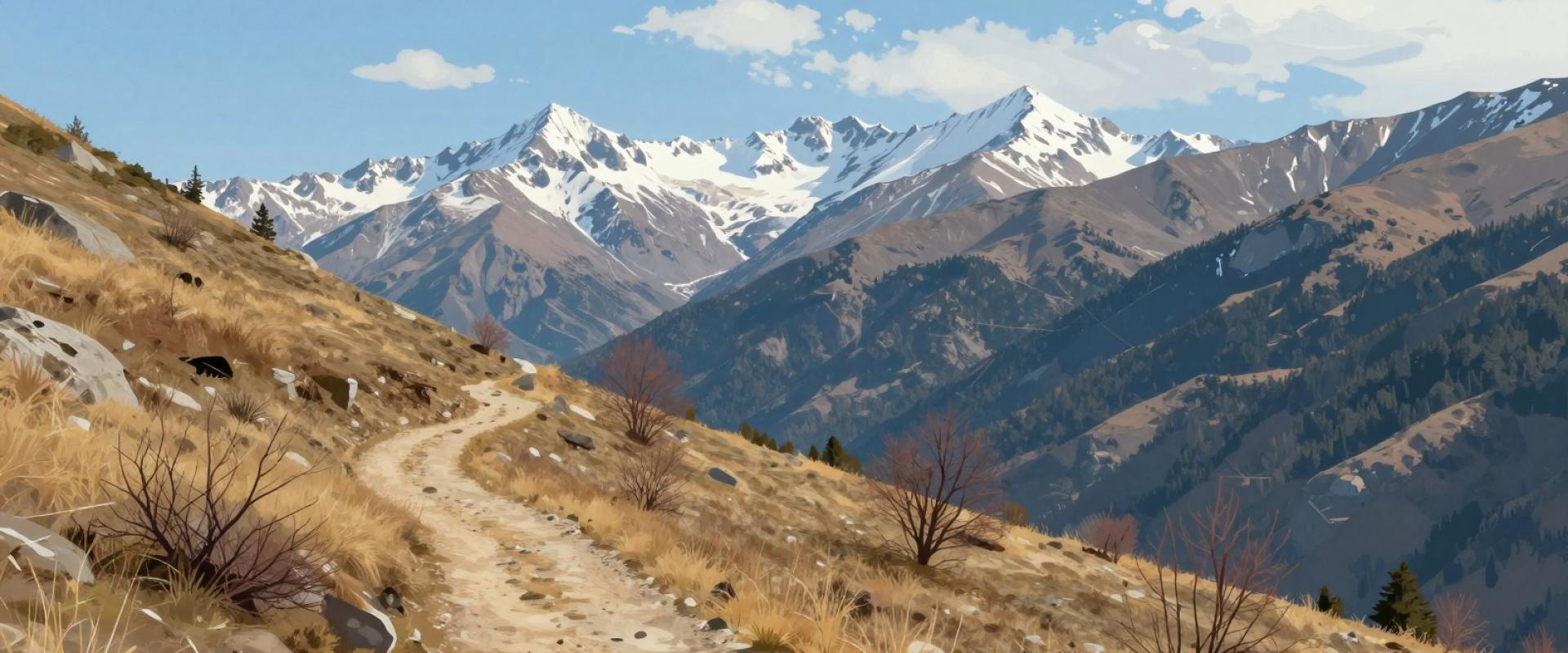
The air thins and bites, a sharp, cold intensity that immediately wakes the senses. At 12,000 feet, the silence is profound, broken only by the wind.
The summit rewards steady, respectful steps. Trust the training, move with care, and let the rhythm of the trail guide you. The Ten Essentials are packed, a quiet promise of safety against the elements. Chasing the horizon, breathe deep, and step forward. The trail is waiting.