The short answer
For most visitors, the best time to visit Rocky Mountain National Park is September. The summer crowds thin after Labor Day, the weather is usually settled, elk gather in the meadows for the autumn rut, and aspen groves turn gold through the second half of the month. Summer, from late June to August, gives the fullest access to trails and Trail Ridge Road but brings the most people and daily thunderstorms. Winter and spring are quiet and beautiful but limit what you can reach. The sections below explain the trade-offs so you can pick the season that suits your trip.
Summer: full access, wildflowers and crowds
Summer is when the whole park is open. Trail Ridge Road, which crosses the Continental Divide and climbs above 12,000 feet, usually opens around Memorial Day weekend, and by early July most high trails are free of snow. Wildflowers peak in the subalpine meadows and on the tundra in July and into early August.
It is also the busiest time of year. From late May to mid-October the park runs a timed-entry reservation system, with a separate permit for the popular Bear Lake Road corridor, and reservations for summer weekends go quickly on Recreation.gov. Trailhead parking at Bear Lake and Glacier Gorge fills early in the morning; the park shuttle is the easiest way to reach those trails.
Plan around the weather. On most summer afternoons, thunderstorms build over the peaks, bringing lightning, hail and cold wind. Start hikes at dawn, aim to be off exposed ridges and tundra by early afternoon, and carry a rain jacket and warm layer.
Autumn: golden aspens and the elk rut
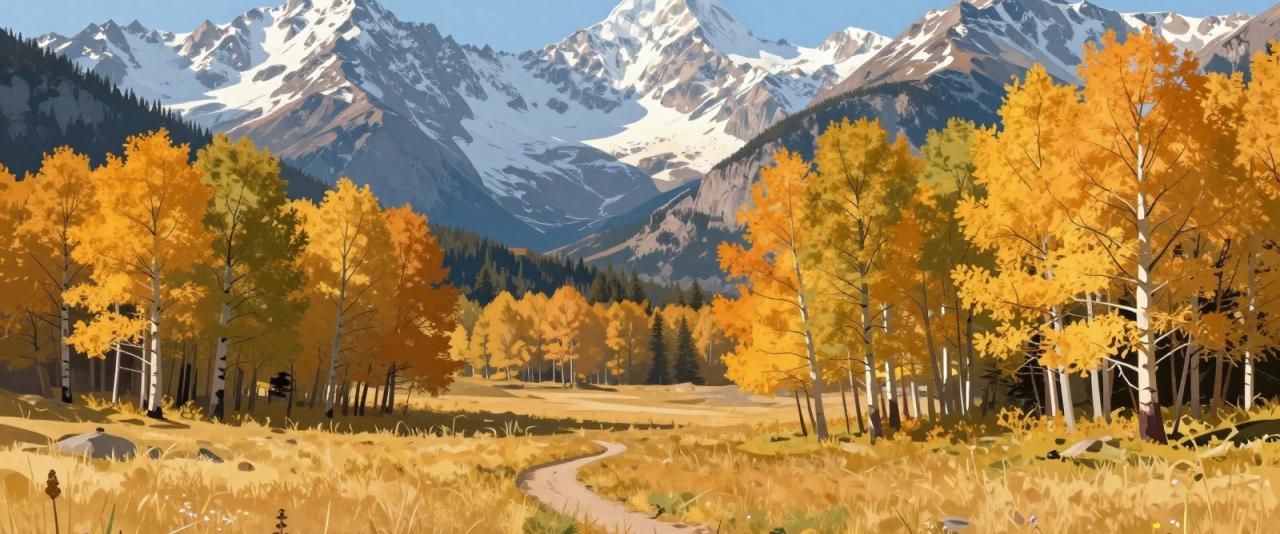
After Labor Day, visitor numbers drop and the air turns crisp. Aspen groves usually turn gold from mid- to late September, with timing varying by elevation and year; areas along Bear Lake Road, the Kawuneeche Valley on the park's west side, and slopes near Estes Park are good places to look.
September and early October are also the elk rut. Bull elk bugle and gather herds in meadows such as Moraine Park, Horseshoe Park and the Kawuneeche Valley, mainly around dawn and dusk. Watch from the roadside or pullouts, stay well back from the animals, and follow rangers' instructions where areas are closed to protect wildlife.
The timed-entry system typically runs until mid-October, and weekends during peak colour can still be busy. Trail Ridge Road often closes for the season in mid-to-late October, sometimes earlier after a big storm.
Winter: snowshoes and quiet
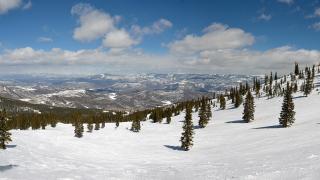
From late October to late May, Trail Ridge Road is closed beyond the lower elevations and the park becomes much quieter. Bear Lake Road is usually plowed through the winter, and its trailheads, including Bear Lake itself, become the main access points for snowshoeing and cross-country skiing. Popular winter outings include snowshoeing to Dream Lake or Emerald Lake from Bear Lake, or the trail toward Bierstadt Lake. Ranger-led snowshoe walks are offered on some winter weekends.
Winter conditions are serious. Strong winds are common, trails can be icy and hard-packed, and avalanche terrain lies close to some popular routes. Carry traction devices or snowshoes, dress in layers, and check the park's current conditions before you go. Elk and other wildlife are easier to spot in lower meadows in winter, when they move down from the high country.
Spring: mud, snow and early wildlife
Spring is the park's most unpredictable season. March and April are often the snowiest months on the Front Range, and deep snow lingers on trails above about 9,000 feet into June, even when the valleys are greening. Lower trails turn muddy and slushy as the snow melts, which makes for slow, messy walking.
The rewards are fewer people and active wildlife: elk calves are born in late May and June, and bighorn sheep are often seen around Sheep Lakes in Horseshoe Park from late spring. If you visit in May or early June, stick to lower-elevation trails, carry traction for icy patches, and check whether Trail Ridge Road has opened yet.
Practical tips for any season
Estes Park, at the east entrance, is the main base, with lodging, food and park shuttles; Grand Lake serves the quieter west side. Bring layers year-round, because temperatures can change by 20 degrees or more in a few hours and are much colder at high elevation. Drink plenty of water, wear sunscreen, and give yourself a day to adjust to the altitude before longer hikes.