
AI-generated illustration
Gateway Weekend Getaway
Two-day gateway to Colorado's western canyons
2 days
•
Easy difficulty
•
Est. $120
Day 1: Arrival and Gateway Exploration
Arrive in Gateway, settle into accommodation, and explore the immediate vicinity of the Colorado River and local visitor center to get oriented.
-
10:00
Arrival and Check-in
Arrive at your accommodation in Gateway. Unpack and freshen up. Gateway is a small, quiet town, so take time to acclimate to the high desert environment.
-
11:30
Gateway Chamber of Commerce & Visitor Center
Visit the local visitor center to get local maps, weather updates, and insights into the best local spots. This is a great starting point to understand the area's layout.
-
13:00
Lunch in Town
Enjoy a local lunch at one of the local cafes or diners in Gateway. Try local Colorado flavors or simple comfort food to recharge.
-
14:30
Colorado River Overlooks
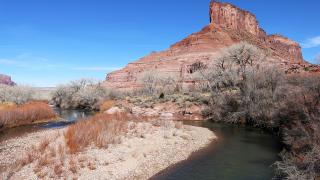
Take a short drive to the nearby overlooks to view the Colorado River. The views of the river cutting through the red rock are stunning and offer great photo opportunities. This is a gentle, low-impact activity.
-
17:30
Sunset and Dinner
Return to your accommodation or a local restaurant for a relaxed dinner. Enjoy the sunset views over the desert landscape before the day ends.
Where to stay: Stay at a local inn or B&B in Gateway. Options like the Gateway Inn or local motels provide comfortable lodging close to amenities.
Getting around: A car is essential for this trip. While the town center is walkable, most attractions are spread out, so a vehicle is necessary for flexibility.
Practical Information
Gateway, Colorado, is best visited between April and October, when daytime temperatures are mild and the iconic red rock formations are fully accessible. While summer offers the most reliable weather, it is also the peak season, requiring advance bookings for lodging and campsite reservations. Spring and fall provide cooler, comfortable conditions with fewer crowds, though visitors should be prepared for sudden weather changes, including afternoon thunderstorms in the summer and potential snow in the higher elevations during spring or fall.
Getting to Gateway is primarily done via air or car. The closest major airport is Grand Junction Regional Airport (GJT), located approximately 45 minutes away, which offers limited commercial service. Alternatively, Denver International Airport is about a four-hour drive away but offers more flight options. Once in the area, a vehicle is essential. While the main attractions like the Colorado National Monument are accessible by standard car, a high-clearance 4x4 is highly recommended for exploring the rugged, unpaved backcountry roads and accessing more remote trailheads.
Accommodation options are limited but charming, reflecting the rural, small-town nature of the area. The Gateway is a small community, so lodging is limited to a few motels, bed and breakfasts, and private rentals. It is advisable to book well in advance, especially during the peak spring and fall seasons. Camping is also a popular and budget-friendly alternative, with several campgrounds available in the surrounding areas, including those within the Grand Junction and Montrose counties.
Budget considerations should account for the cost of accommodation, which can be higher due to limited supply, and the cost of vehicle rental if you do not have your own car. Food options are limited to local cafes and restaurants, so budget for meals accordingly. It is also wise to bring your own water and snacks, as services are sparse in the surrounding desert areas.
When packing, prioritize lightweight, breathable clothing suitable for warm days and cooler nights. Sturdy, closed-toe hiking shoes are essential for exploring the rocky terrain. Sun protection, including high-SPF sunscreen, a wide-brimmed hat, and sunglasses, is crucial due to the high altitude and intense sun. Additionally, carry a reusable water bottle, as hydration is critical in the arid climate. A basic first-aid kit, a headlamp, and a map or offline GPS are also recommended for safety and navigation.
Book your stay
More Itineraries
1 day
Best of Breckenridge
One-day tour of Breckenridge's alpine peaks and historic downtown.
View Itinerary →