Cripple Creek in winter
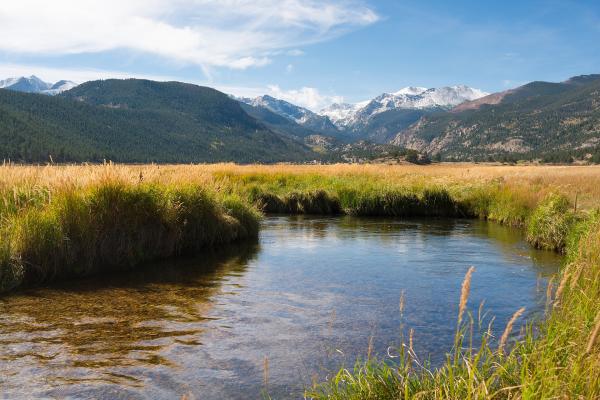
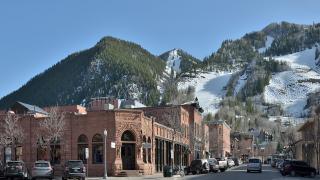
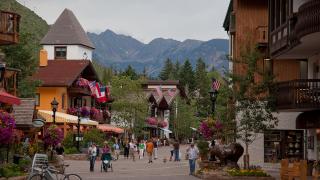
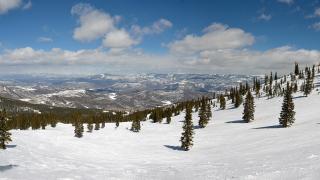
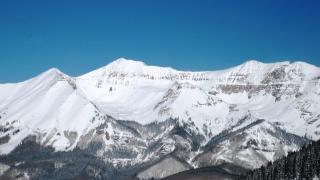
Cripple Creek sits at about 9,500 feet on the southwest flank of Pikes Peak, roughly an hour's drive from Colorado Springs. In the 1890s it was the centre of one of the richest gold districts in the world; today it is a small historic town whose brick commercial buildings now house casinos, museums and restaurants. Winter is the quiet season. Several summer attractions close, but the town is uncrowded, the views across to the Sangre de Cristo Mountains are often sharp after a storm, and a day here combines history, a walk through a well-preserved Victorian streetscape and a February ice festival.
The 1890 strike and the rush that followed
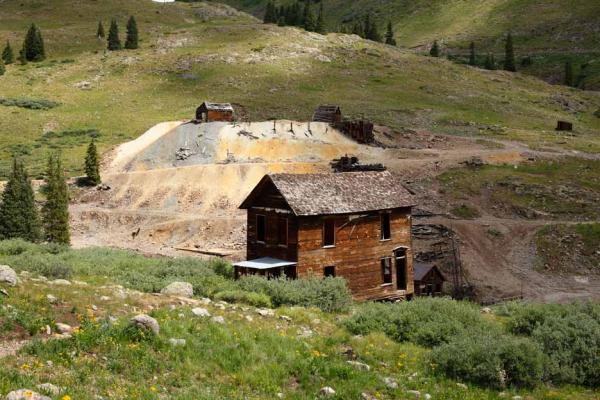
Gold had been rumoured in the high grasslands around Cripple Creek for years before a cowboy named Bob Womack found ore in Poverty Gulch in 1890. His discovery set off a rush. Within a few years the district, which included Cripple Creek, Victor and a string of smaller camps, had tens of thousands of residents, hundreds of mines and its own railroads. Womack himself made little from the find; he is said to have sold his claim cheaply, and he died with little money.
One of the district's best-known stories belongs to Mollie Kathleen Gortner. In 1891, while visiting her son, who was working as a surveyor in the area, she found gold-bearing rock on a hillside north of town. She staked the claim in her own name and is credited as the first woman to do so in the district. The Mollie Kathleen Mine became a productive gold mine, and today it is a tour mine where visitors ride a cage about 1,000 feet underground. It operates seasonally, generally closing for the winter, so check its schedule before planning a visit around it.
Brick buildings from the 1896 fires
In April 1896, two fires a few days apart burned through much of Cripple Creek's business district. The first started at a dance hall on Myers Avenue, the town's red-light district; the second spread from Myers toward Bennett Avenue, the main commercial street. Hundreds of wooden buildings were destroyed and thousands of people were left homeless.
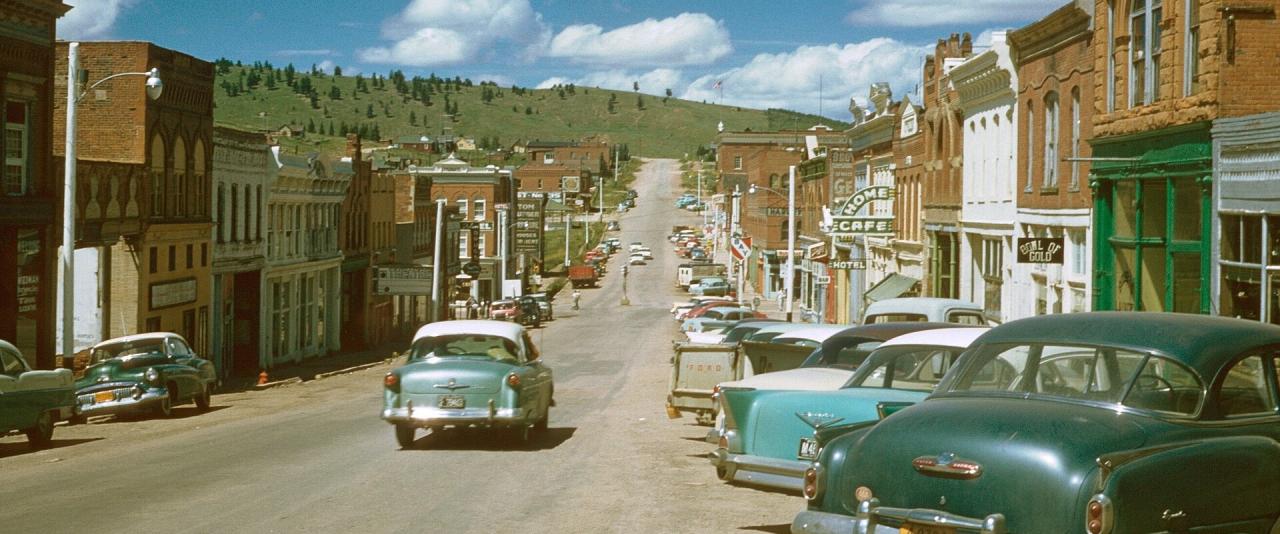
The town rebuilt quickly, and this time it built in brick. Most of the Victorian commercial buildings that line Bennett Avenue today date from that rebuilding in 1896 and the following years. Walking the street, look up at the upper floors, where cornices, arched windows and painted signs still show the boomtown's ambitions. The town's historic core is now protected as a National Historic Landmark district.
What to see on a winter visit
Cripple Creek Heritage Center. At the north edge of town on Highway 67, this free visitor centre has exhibits on the district's geology, mining and people, and large windows looking over the town and the mountains beyond. It is the best first stop.
Cripple Creek District Museum. Housed in buildings that include the former Midland Terminal Railroad depot, the museum covers daily life, mining and the town's labour history. Check winter hours, which are usually shorter than in summer.
Butte Theater. The historic theatre on Bennett Avenue stages productions through much of the year, including holiday shows in December.
Cripple Creek Ice Festival. Held over two weekends each February, the festival fills Bennett Avenue with large ice sculptures carved by professional teams, along with speed-carving demonstrations.
Victor. Six miles south, the smaller town of Victor has a largely intact brick main street and overlooks a vast modern open-pit gold mine, which still operates. The Lowell Thomas Museum tells the story of Victor and its most famous former resident. Short walking trails around Victor pass old headframes and mine buildings with interpretive signs.
Getting there and staying warm
From Colorado Springs, take US 24 west to Divide, then Highway 67 south to Cripple Creek. The road is paved and maintained in winter, but it climbs through hilly terrain and can be snow-packed after storms; carry a winter kit and check the Colorado Department of Transportation road conditions before you leave. The unpaved routes from the south, Shelf Road and Phantom Canyon Road, are not good choices in winter.
Cripple Creek is high enough that visitors from low elevation often feel the altitude. Walk slowly, drink plenty of water and limit alcohol on your first evening. Winter temperatures regularly drop well below freezing, and wind on the open slopes makes it feel colder. Wear insulated boots with good tread for icy sidewalks, a warm hat and gloves, and layers you can shed inside heated buildings.