
Frontier Lodging Overview
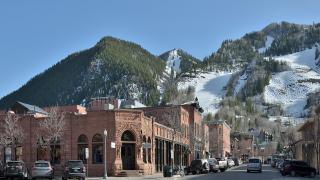
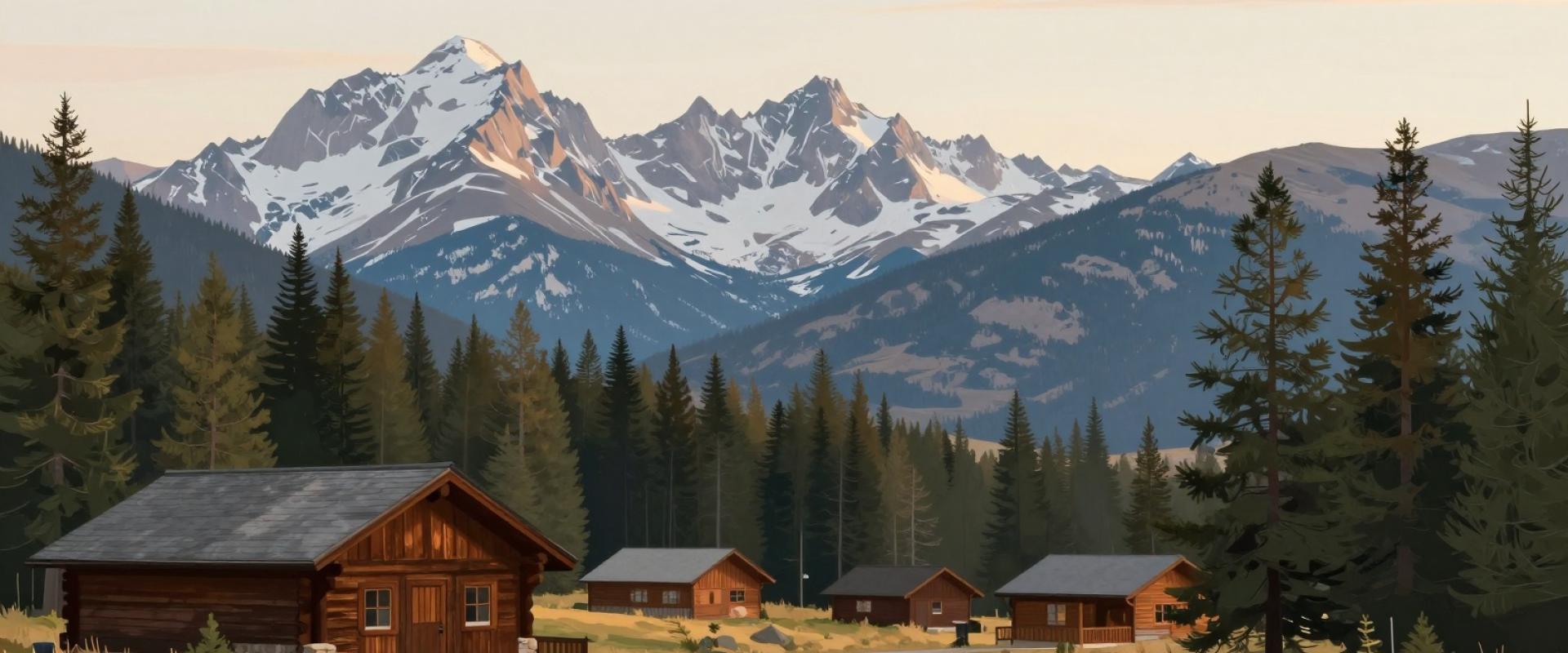
Colorado lodging splits into two distinct zones. Front-range cities offer dense, urban hotel options. These areas provide easy access to major transit hubs. Mountain towns present a different structural challenge. High-altitude locations limit available room inventory. Seasonal demand heavily influences pricing and availability. Summer months see peak occupancy in ski regions. Winter months see high demand in resort towns. Travelers must book early for peak seasons. Budget options exist but require advance planning. The altitude impacts comfort more than structure. Air pressure changes affect sleep quality directly. Local regulations often limit short-term rental units. This restriction reduces available inventory in popular areas. Guests should verify specific local ordinances before booking. The landscape dictates the style of accommodation. Stone and wood structures dominate mountain towns. Glass and steel define front-range urban centers. Both options offer distinct experiences for visitors. Planning ahead ensures availability during high-demand periods.
Mountain Resort Stays
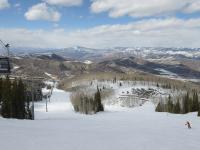
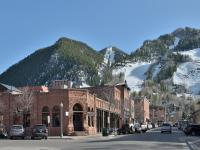
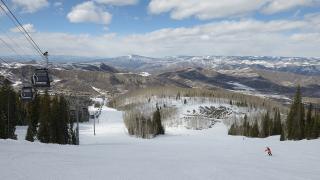
Major towns like Aspen, Vail, and Breckenridge define the luxury market. These locations offer premium ski-in/ski-out lodging options. Proximity to slopes commands a significant price premium. Guests pay extra for direct slope access. Budget travelers often choose towns further from the main slopes. This strategy reduces nightly rates significantly. Early booking is essential for peak winter season access. Demand exceeds supply during holiday weeks. Last-minute bookings often result in limited availability or high costs. The premium cost reflects the high demand and limited inventory. Travelers must plan well in advance to secure suitable accommodations. The cost difference between peak and off-peak seasons is substantial. Careful planning ensures a manageable budget for the trip.
Front Range Urban Hubs
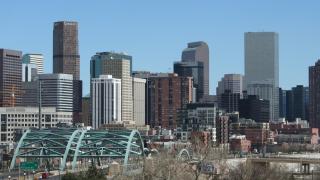
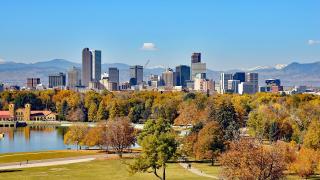
Denver, Boulder, and Colorado Springs offer distinct urban lodging. These cities provide dense, high-rise options. International chains dominate the central business districts. Boutique hotels fill the historic downtown neighborhoods. This variety suits business travelers and tourists alike. The urban setting offers immediate access to amenities. Guests can walk to museums, galleries, and restaurants. This contrasts sharply with remote mountain resort areas. The convenience of urban infrastructure is a key advantage. Transportation hubs are often within walking distance. This reduces the need for rental vehicles. Dining options range from casual cafes to fine dining. The variety of lodging options is extensive. Budget motels and luxury suites are both available. The urban environment provides a different experience than the mountains. It is ideal for those seeking cultural immersion. The proximity to arts and dining is a major benefit. This location is ideal for short, focused trips. The urban landscape offers a distinct alternative to nature retreats. The density of services is a key feature. The urban environment supports a fast-paced travel style. The infrastructure is designed for high-volume tourism. The urban setting is ideal for business travelers. The urban environment supports a fast-paced travel style. The urban setting is ideal for business travelers. The urban environment supports a fast-paced travel style. The urban setting is ideal for business travelers. The urban environment supports a fast-paced travel style. The urban setting is ideal for business travelers. The urban environment supports a fast-paced travel style. The urban setting is ideal for business travelers. The urban environment supports a fast-paced travel style.
Budget and Alternative Stays
Budget travelers in Colorado face limited options. Hostels are scarce outside major hubs. Hosts in Denver offer limited beds. Campgrounds provide the primary affordable alternative. Sites near Rocky Mountain National Park fill quickly. Reservations are essential for summer stays. Book months in advance to secure a spot. State parks offer lower rates than private campgrounds. These sites provide basic amenities for budget travelers. RV parks offer full hookups for larger vehicles. These options cost more but offer more comfort. Vacation rentals provide kitchen access for self-catering. This reduces daily food costs significantly. Renting a cabin is often cheaper than hotels. This is especially true for groups of four. Group travel splits costs effectively. Local regulations vary by county. Some areas restrict short-term rentals strictly. Check local rules before booking private homes. Ignoring local laws can result in fines. Always verify local zoning laws for short stays. This ensures legal compliance during your visit. Always verify local zoning laws for short stays. This ensures legal compliance during your visit.
Booking Strategies and Seasonal Tips
Book early for peak summer and ski seasons. Rates rise sharply in July and December. Flexible travel dates reduce costs significantly. Consider staying in nearby towns like Golden or Loveland. These areas offer lower rates than Aspen or Vail. Book directly through hotel websites for best rates. Use travel rewards points to offset high seasonal costs. Check for hidden fees in resort charges. Resort fees often add twenty dollars per night. Read the fine print before confirming bookings. Avoid booking on weekends during peak holiday weeks. Mid-week stays offer better value and availability. Always verify cancellation policies before finalizing payment. Flexible bookings allow changes if weather disrupts plans. Monitor prices weekly after initial booking. Some hotels offer price match guarantees. Rebook if a lower rate appears later. Always check for additional cleaning fees. These fees can significantly increase the total cost. Plan budget carefully to avoid overspending. Prioritize essential amenities over luxury extras. This approach ensures a comfortable and affordable stay in Colorado.